Buy greekreports.eu ?
We are moving the project
greekreports.eu .
Are you interested in purchasing the domain
greekreports.eu ?
domain@kv-gmbh.de · 0541-91531010
Buy greekreports.eu ?
Is it a genitive object or an adverbial genitive?
The distinction between a genitive object and an adverbial genitive depends on the function of the genitive in the sentence. A genitive object typically functions as the direct object of a verb, indicating possession or association, while an adverbial genitive modifies the action of the verb, indicating manner, time, place, or other circumstances. To determine whether a genitive is a genitive object or an adverbial genitive, it is important to analyze the role it plays in the sentence and its relationship to the verb and other elements. **
'Genitive or accusative?'
The genitive case is used to show possession or relationship between nouns, while the accusative case is used to show the direct object of a verb. In general, the genitive case is used to indicate ownership or association, while the accusative case is used to indicate the direct object of a verb or the object of a preposition. The choice between genitive and accusative depends on the specific context and the grammatical rules of the language being used. **

Similar search terms for Genitive
Top-Angebote
Products related to Genitive:
-
The Hundred Years' War on Palestine by Rashid Khalidi - Paperback - History & Politics - NYT Bestseller - Profile BooksThis is a brand new paperback edition of Rashid Khalidi's landmark history of the Palestinian struggle, The Hundred Years' War on Palestine. The book reframes the conflict as a settler-colonial war waged against the Palestinian people, rather than a simple clash between two equal nationalisms. It is a deeply researched account of the roots of the conflict, drawing on rigorous scholarship, family archives, and personal memory. The book is divided into six defining episodes from 1917 to the present day, including the Balfour Declaration, the Great Revolt of the 1930s, the Nakba of 1948, the 1967 occupation, the Lebanon war of 1982, and the failure of the Oslo peace process. It has been shortlisted for the Cundill History Prize and is a New York Times bestseller.12,99 £*Shipping: 2,99 £Secure redirect to the provider
-
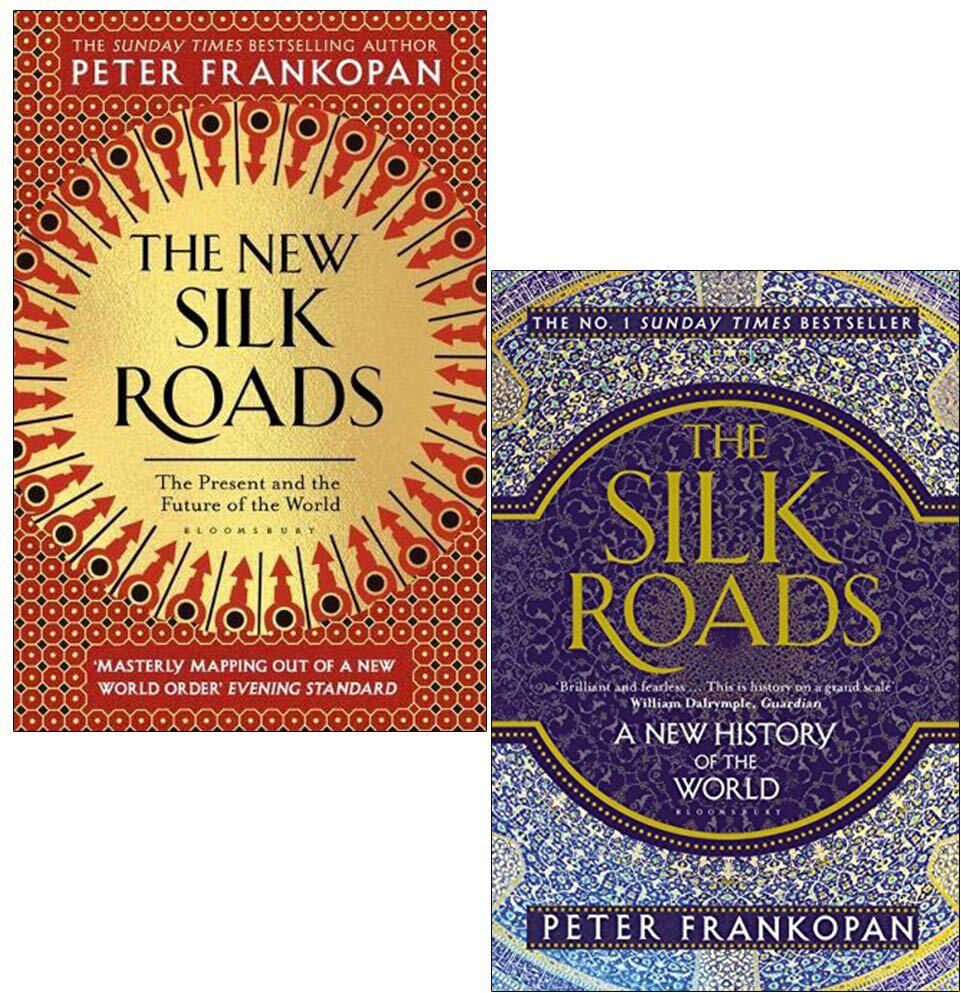
Bloomsbury Publishing The Silk Roads & The New Silk Roads 2 Book Set by Peter Frankopan – History & Global Politics CollectionThe New Silk Roads The Present and Future of the World The New Silk Roads takes a fresh look at the relationships being formed along the length and breadth of the ancient trade routes today. The world is changing dramatically and in an age of Brexit and Trump; the themes of isolation and fragmentation permeating the western world stand in sharp contrast to events along the Silk Roads; where ties are being strengthened and mutual cooperation established.This prescient contemporary history provides a timely reminder that we live in a world that is profoundly interconnected. The Silk Roads: A New History of the World For centuries; fame and fortune were to be found in the west in the New World of the Americas. Today; it is the east which calls out to those in search of riches and adventure. Sweeping right across Central Asia and deep into China and India; a region that once took centre stage is again rising to dominate global politics; commerce and culture.16,98 £*Shipping: 2,99 £Secure redirect to the provider
-
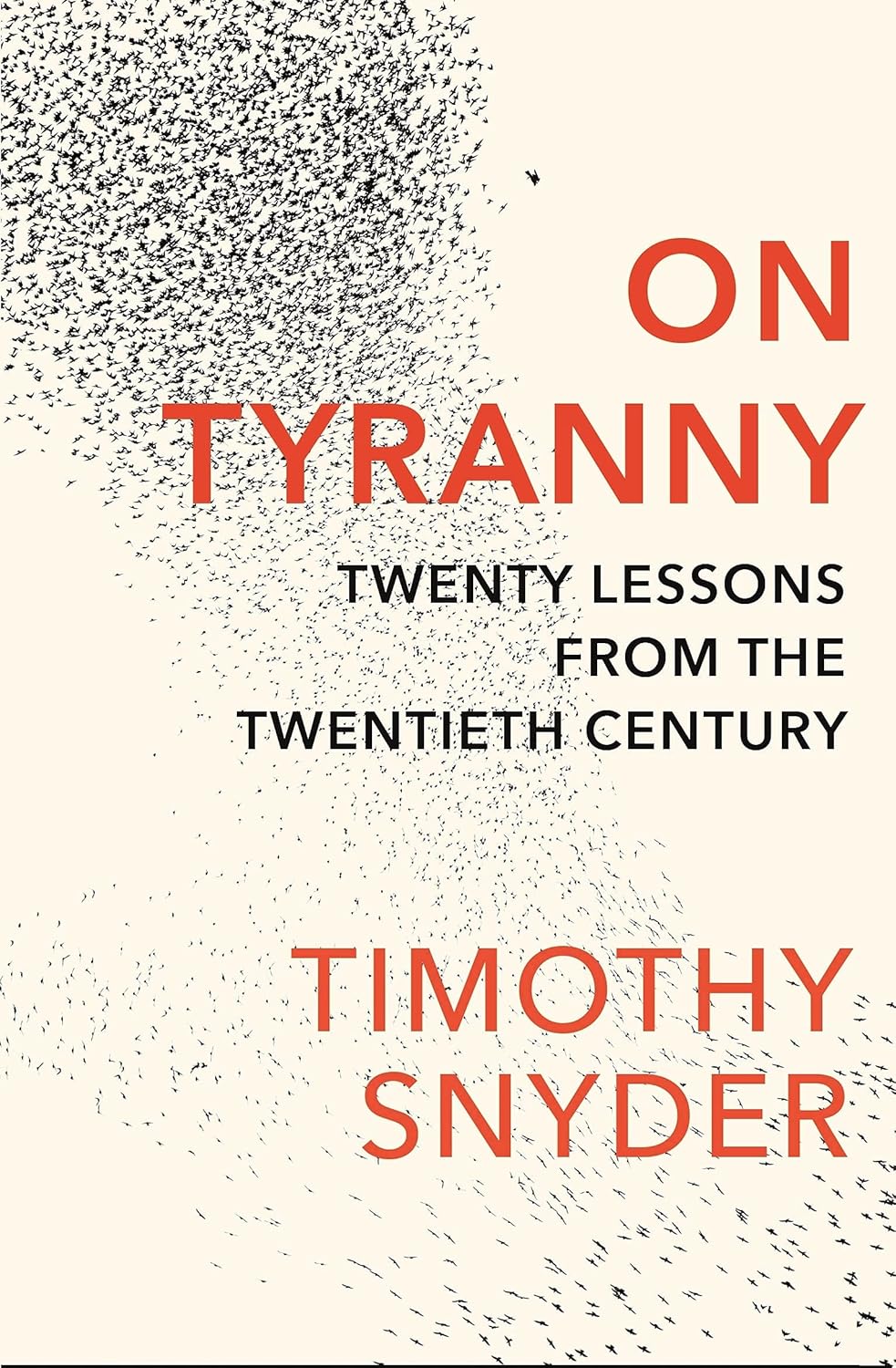
The Bodley Head Timothy Snyder 3 Book Collection Set - On Tyranny, The Road to Unfreedom, Bloodlands - Paperback History & Politics Box SetThis three-book paperback set brings together some of the most acclaimed work of historian Timothy Snyder, spanning twentieth-century atrocity, contemporary authoritarianism, and the erosion of democratic norms in the twenty-first century. On Tyranny distills historical lessons into practical civic guidance, The Road to Unfreedom examines Russia's assault on Western democracy, and Bloodlands documents the mass killings between Hitler's and Stalin's regimes. Together they form an essential collection for readers of history, politics, and current affairs. The books are published by The Bodley Head and are in brand new condition, making them a great addition to any bookshelf.29,99 £*Shipping: 2,99 £Secure redirect to the provider
-
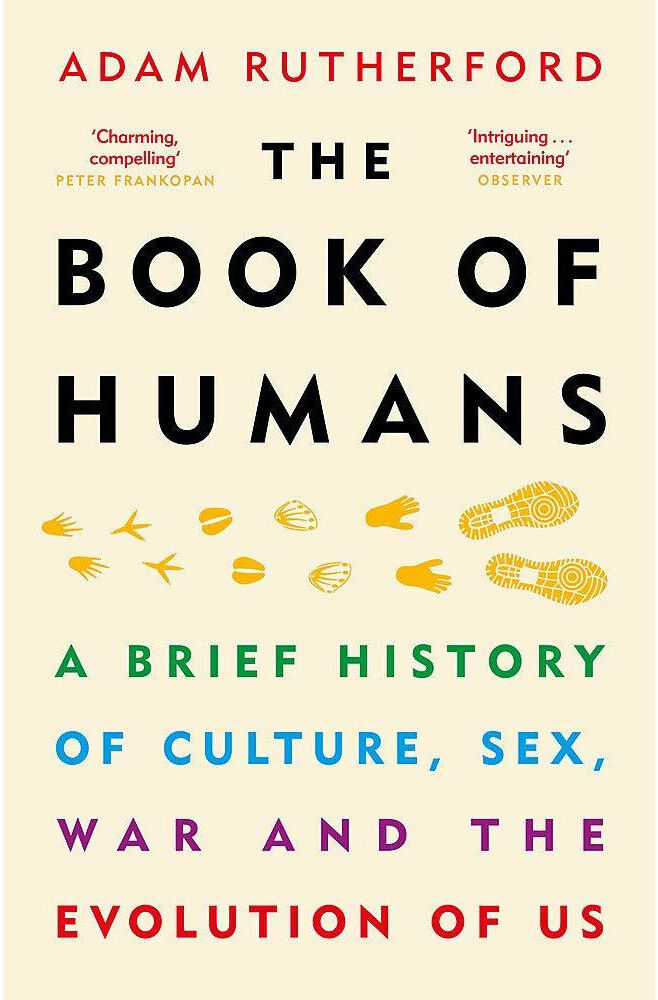
Orion The Book of Humans by Adam Rutherford – A Brief History of Culture, Sex, War & EvolutionWHAT MAKES US HUMAN? Waging war? Sex for pleasure? Creating art? Mastery of fire? In this thrilling tour of the animal kingdom, Adam Rutherford tells the story of how we became the unique creatures we are today. Illuminated by the latest scientific discoveries, THE BOOK OF HUMANS is a dazzling compendium of what unequivocally fixes us as animals, and reveals how we are extraordinary among them.4,98 £*Shipping: 1,99 £Secure redirect to the provider

-
Genitive or accusative?
The genitive case is used to show possession or relationship between nouns, while the accusative case is used to show the direct object of a verb or the object of certain prepositions. In general, the genitive case is used to indicate possession or belonging, while the accusative case is used to indicate the direct object of a verb or the object of a preposition. The choice between genitive and accusative depends on the specific context and the grammatical rules of the language being used. **
-
Nominative or genitive?
Nominative and genitive are both grammatical cases in many languages, including Latin and German. The nominative case is used for the subject of a sentence, while the genitive case is used to show possession or relationship between nouns. In English, the genitive case is often indicated by adding an apostrophe and an "s" to a noun. **
-
What is the difference between genitive attribute and genitive object?
The genitive attribute is a noun or pronoun that describes another noun by showing possession or association, typically indicated by the use of an apostrophe and the letter "s" ('s) or simply an apostrophe ('). For example, in the phrase "the car's color," "car's" is the genitive attribute describing the color. On the other hand, the genitive object is a noun or pronoun that receives the action of a verb and is also in the genitive case, indicating possession or association. For example, in the phrase "I saw the dog's tail," "dog's" is the genitive object showing possession of the tail. In summary, the genitive attribute describes the noun it is attached to, while the genitive object receives the action of the verb and shows possession or association. **
-
Dative or Genitive 2?
The choice between dative and genitive case in German depends on the verb or preposition being used. "Dative" is used to indicate the indirect object of a sentence, while "genitive" is used to show possession or a relationship between two nouns. "Genitive 2" specifically refers to the genitive case used after certain prepositions, such as trotz (despite) or während (during). It's important to learn the specific prepositions and verbs that require either dative or genitive case in order to use them correctly in German sentences. **


What is the difference between the genitive attribute and the genitive object?
The genitive attribute is a noun or pronoun that is used to describe another noun, showing possession or relationship, and is typically placed before the noun it is modifying. For example, "the car's color" where "car's" is the genitive attribute. On the other hand, the genitive object is a noun or pronoun that is the direct object of a verb and is in the genitive case to show possession or relationship. For example, "I saw the dog's tail" where "tail" is the genitive object. In summary, the genitive attribute describes a noun, while the genitive object is the direct object of a verb and shows possession or relationship. **
Genitive without 'der' or 'die'?
In German, the genitive case is used to show possession or relationships between nouns. While it is common to use "der" or "die" in the genitive case to indicate the gender of the noun, there are some instances where these articles are omitted. This typically occurs with masculine and neuter singular nouns that end in "-s" or "-es" in the genitive case, such as "des Vaters" (of the father) or "des Hauses" (of the house). It is important to pay attention to the gender and case of the noun when determining whether to include "der" or "die" in the genitive construction. **
Top-Angebote
Products related to Genitive:
-
From the Archives: Black History and Culture Value PackThis brand-new series is rooted in a profound commitment to shedding light on some of the important -- and often lesser-known -- aspects of Black history. From the Archives features landmarks, events, people, and artistic endeavors that have played...26,99 $*Shipping: 0,00 $Secure redirect to the provider
-
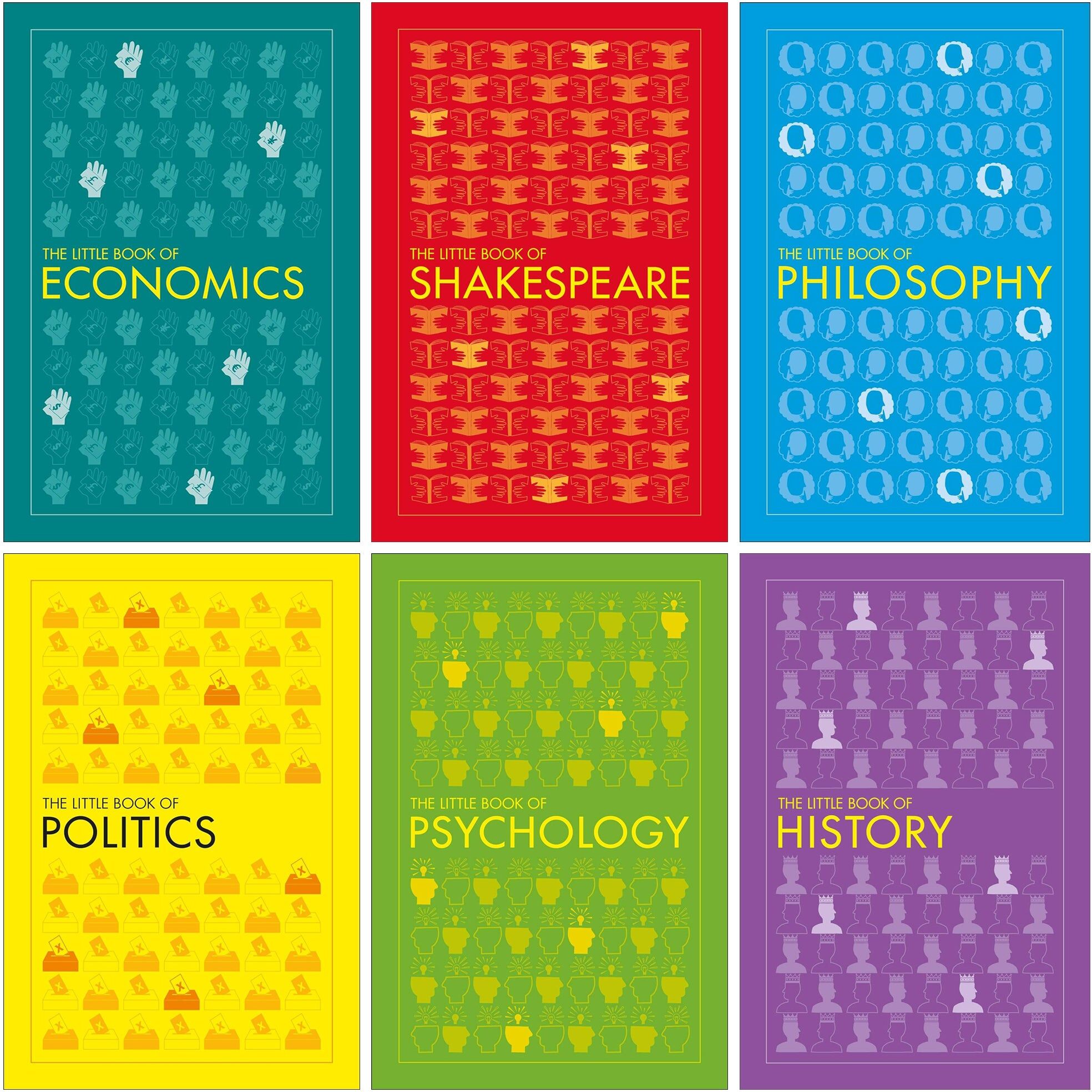
DK The Little Book Of Series 6 Books Collection Set (Economics, Politics, Shakespeare, Philosophy, Psychology, History)The Little Book Of Economics From the earliest forms of currency to the Industrial Revolution, and from the birth of the stock market to free-market capitalism and globalized trade, The Little Book of Economics brings economic theory and the work of key economists to life. Journeying through centuries of economic thought, it is the perfect pocket-sized guide to the subject. The Little Book Of Politics From the origins of democracy to Machiavelli's cunning statecraft, and from Rousseau's "social contract" to the American Declaration of Independence, Marxist communism, the dawn of populism, and identity politics, The Little Book of Politics examines the philosophies behind the different political beliefs and methods of government used around the world over the course of human history. The Little Book Of Shakespeare This bold book covers every work, from the comedies of Twelfth Night and As You Like It to the tragedies of Julius Caesar and Hamlet, plus lost plays and less well-known works of poetry. Easy-to-understand graphics and illustrations bring the themes, plots, characters and language of Shakespeare to life, including illustrated timelines which offer an at-a-glance summary of the action for each play. With detailed plot summaries and an in-depth analysis of the major characters and themes, this is a brilliant, innovative exploration of the entire canon of Shakespeare plays, sonnets and poetry. The Little Book Of Philosophy To the complete novice learning about philosophy can be daunting - The Little Book of Philosophy changes all that. With the use of powerful and easy-to-follow images, famous quotations, and explanations that are easily understandable, this book cuts through any misunderstandings to demystify the subject. The Little Book Of Psychology DK's The Little Book of Psychology answers all these questions and provides an insight into this fascinating field of science. Whether you are a student, an expert, a novice, or have a general interest in the human mind, this portable guide is the perfect choice to start exploring and understanding psychology. The Little Book Of History The Little Book of History charts world history from the dawn of civilisation to the modern culture we live in today. From the origins of homo-sapiens to the release of Nelson Mandela, from the French Revolution to the Space Race, The Little Book of History is a stunning exploration of the human timeline up to and including modern Islam, the world wide web, and the global financial crisis.14,99 £*Shipping: 2,99 £Secure redirect to the provider
-
The Hundred Years' War on Palestine by Rashid Khalidi - Paperback - History & Politics - NYT Bestseller - Profile BooksThis is a brand new paperback edition of Rashid Khalidi's landmark history of the Palestinian struggle, The Hundred Years' War on Palestine. The book reframes the conflict as a settler-colonial war waged against the Palestinian people, rather than a simple clash between two equal nationalisms. It is a deeply researched account of the roots of the conflict, drawing on rigorous scholarship, family archives, and personal memory. The book is divided into six defining episodes from 1917 to the present day, including the Balfour Declaration, the Great Revolt of the 1930s, the Nakba of 1948, the 1967 occupation, the Lebanon war of 1982, and the failure of the Oslo peace process. It has been shortlisted for the Cundill History Prize and is a New York Times bestseller.12,99 £*Shipping: 2,99 £Secure redirect to the provider
-
Bloomsbury Publishing The Silk Roads & The New Silk Roads 2 Book Set by Peter Frankopan – History & Global Politics CollectionThe New Silk Roads The Present and Future of the World The New Silk Roads takes a fresh look at the relationships being formed along the length and breadth of the ancient trade routes today. The world is changing dramatically and in an age of Brexit and Trump; the themes of isolation and fragmentation permeating the western world stand in sharp contrast to events along the Silk Roads; where ties are being strengthened and mutual cooperation established.This prescient contemporary history provides a timely reminder that we live in a world that is profoundly interconnected. The Silk Roads: A New History of the World For centuries; fame and fortune were to be found in the west in the New World of the Americas. Today; it is the east which calls out to those in search of riches and adventure. Sweeping right across Central Asia and deep into China and India; a region that once took centre stage is again rising to dominate global politics; commerce and culture.16,98 £*Shipping: 2,99 £Secure redirect to the provider
-
Is it a genitive object or an adverbial genitive?
The distinction between a genitive object and an adverbial genitive depends on the function of the genitive in the sentence. A genitive object typically functions as the direct object of a verb, indicating possession or association, while an adverbial genitive modifies the action of the verb, indicating manner, time, place, or other circumstances. To determine whether a genitive is a genitive object or an adverbial genitive, it is important to analyze the role it plays in the sentence and its relationship to the verb and other elements. **
-
'Genitive or accusative?'
The genitive case is used to show possession or relationship between nouns, while the accusative case is used to show the direct object of a verb. In general, the genitive case is used to indicate ownership or association, while the accusative case is used to indicate the direct object of a verb or the object of a preposition. The choice between genitive and accusative depends on the specific context and the grammatical rules of the language being used. **
-
Genitive or accusative?
The genitive case is used to show possession or relationship between nouns, while the accusative case is used to show the direct object of a verb or the object of certain prepositions. In general, the genitive case is used to indicate possession or belonging, while the accusative case is used to indicate the direct object of a verb or the object of a preposition. The choice between genitive and accusative depends on the specific context and the grammatical rules of the language being used. **
-
Nominative or genitive?
Nominative and genitive are both grammatical cases in many languages, including Latin and German. The nominative case is used for the subject of a sentence, while the genitive case is used to show possession or relationship between nouns. In English, the genitive case is often indicated by adding an apostrophe and an "s" to a noun. **
Similar search terms for Genitive
-
The Bodley Head Timothy Snyder 3 Book Collection Set - On Tyranny, The Road to Unfreedom, Bloodlands - Paperback History & Politics Box SetThis three-book paperback set brings together some of the most acclaimed work of historian Timothy Snyder, spanning twentieth-century atrocity, contemporary authoritarianism, and the erosion of democratic norms in the twenty-first century. On Tyranny distills historical lessons into practical civic guidance, The Road to Unfreedom examines Russia's assault on Western democracy, and Bloodlands documents the mass killings between Hitler's and Stalin's regimes. Together they form an essential collection for readers of history, politics, and current affairs. The books are published by The Bodley Head and are in brand new condition, making them a great addition to any bookshelf.29,99 £*Shipping: 2,99 £Secure redirect to the provider
-
Orion The Book of Humans by Adam Rutherford – A Brief History of Culture, Sex, War & EvolutionWHAT MAKES US HUMAN? Waging war? Sex for pleasure? Creating art? Mastery of fire? In this thrilling tour of the animal kingdom, Adam Rutherford tells the story of how we became the unique creatures we are today. Illuminated by the latest scientific discoveries, THE BOOK OF HUMANS is a dazzling compendium of what unequivocally fixes us as animals, and reveals how we are extraordinary among them.4,98 £*Shipping: 1,99 £Secure redirect to the provider
-
William Collins Everything in Moderation by Daniel Finkelstein - Paperback - Best Times Columns on Politics, Culture & Life - Non Fiction Gift BookEverything in Moderation gathers the best of Daniel Finkelstein's Times columns into one satisfying paperback. Spanning politics, culture, history, and everyday life, Finkelstein writes with warmth, wit, and intelligence. Whether dissecting election results, defending suburban life, or reflecting on his family history, every piece is a masterclass in clear thinking. This book is perfect for those who enjoy thoughtful, funny, and humane journalism, making it great for dipping into again and again. Daniel Finkelstein is a widely read newspaper columnist, and this collection showcases his writing skills. The pieces here range across a broad range of subjects, including predicting elections, the political science behind Ed Miliband's defeat, and the base rate of coups.6,49 £*Shipping: 2,99 £Secure redirect to the provider
-
Dark Money: How Billionaires Buy Politics by Jane Mayer - Scribe UK Paperback - Investigative Politics & Finance Book - NewDark Money is a landmark work of investigative journalism by Jane Mayer, tracing how a small network of extremely wealthy right-wing donors reshaped American politics over four decades. Meticulously sourced and compellingly written, it uncovers the funding of think tanks, front groups, and campaigns designed to influence elections, courts, and public opinion. This brand new paperback is essential reading for anyone interested in modern politics, economic inequality, and the hidden machinery of democracy. Written by New Yorker staff writer Jane Mayer, the book exposes the network of billionaires trying to buy the US electoral system, led by libertarian industrialists Charles and David Koch, along with allies such as the Scaifes, Olins, and Bradleys, who have poured vast sums into the system.7,49 £*Shipping: 2,99 £Secure redirect to the provider
-
What is the difference between genitive attribute and genitive object?
The genitive attribute is a noun or pronoun that describes another noun by showing possession or association, typically indicated by the use of an apostrophe and the letter "s" ('s) or simply an apostrophe ('). For example, in the phrase "the car's color," "car's" is the genitive attribute describing the color. On the other hand, the genitive object is a noun or pronoun that receives the action of a verb and is also in the genitive case, indicating possession or association. For example, in the phrase "I saw the dog's tail," "dog's" is the genitive object showing possession of the tail. In summary, the genitive attribute describes the noun it is attached to, while the genitive object receives the action of the verb and shows possession or association. **
-
Dative or Genitive 2?
The choice between dative and genitive case in German depends on the verb or preposition being used. "Dative" is used to indicate the indirect object of a sentence, while "genitive" is used to show possession or a relationship between two nouns. "Genitive 2" specifically refers to the genitive case used after certain prepositions, such as trotz (despite) or während (during). It's important to learn the specific prepositions and verbs that require either dative or genitive case in order to use them correctly in German sentences. **
-
What is the difference between the genitive attribute and the genitive object?
The genitive attribute is a noun or pronoun that is used to describe another noun, showing possession or relationship, and is typically placed before the noun it is modifying. For example, "the car's color" where "car's" is the genitive attribute. On the other hand, the genitive object is a noun or pronoun that is the direct object of a verb and is in the genitive case to show possession or relationship. For example, "I saw the dog's tail" where "tail" is the genitive object. In summary, the genitive attribute describes a noun, while the genitive object is the direct object of a verb and shows possession or relationship. **
-
Genitive without 'der' or 'die'?
In German, the genitive case is used to show possession or relationships between nouns. While it is common to use "der" or "die" in the genitive case to indicate the gender of the noun, there are some instances where these articles are omitted. This typically occurs with masculine and neuter singular nouns that end in "-s" or "-es" in the genitive case, such as "des Vaters" (of the father) or "des Hauses" (of the house). It is important to pay attention to the gender and case of the noun when determining whether to include "der" or "die" in the genitive construction. **
* All prices are inclusive of VAT and, if applicable, plus shipping costs. The offer information is based on the details provided by the respective shop and is updated through automated processes. Real-time updates do not occur, so deviations can occur in individual cases. ** Note: Parts of this content were created by AI.