Buy greekreports.eu ?
We are moving the project
greekreports.eu .
Are you interested in purchasing the domain
greekreports.eu ?
domain@kv-gmbh.de · 0541-91531010
Buy greekreports.eu ?
What are functional organs and machine organs?
Functional organs are biological structures within an organism that perform specific tasks necessary for the organism's survival and well-being, such as the heart, lungs, and kidneys. Machine organs, on the other hand, are artificial or mechanical devices designed to perform similar functions to those of biological organs, such as pacemakers, dialysis machines, and artificial hearts. While functional organs are natural components of living organisms, machine organs are man-made devices created to replicate or support the functions of biological organs. **
Which organs work in the politics of a municipality?
In the politics of a municipality, various organs work together to govern and manage the local community. Some of the key organs include the city council or municipal council, which is responsible for making decisions and policies for the municipality. The mayor or city executive is another important organ that leads the municipality and represents it in various capacities. Additionally, administrative departments, such as planning and development, finance, and public works, play a crucial role in implementing policies and delivering services to residents. Overall, these organs work collaboratively to ensure the effective functioning and development of the municipality. **

Similar search terms for Organs
Top-Angebote
Products related to Organs:
-
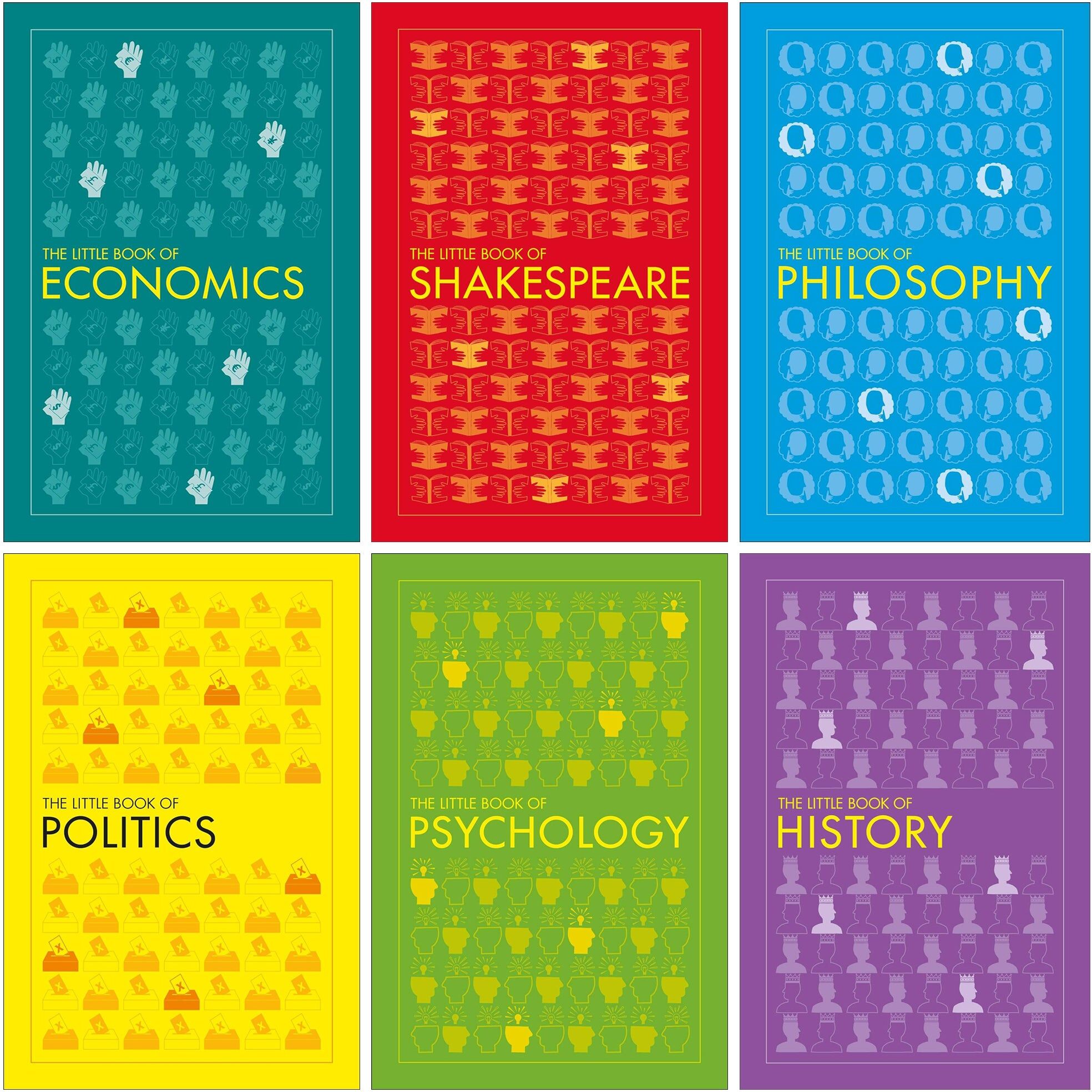
DK The Little Book Of Series 6 Books Collection Set (Economics, Politics, Shakespeare, Philosophy, Psychology, History)The Little Book Of Economics From the earliest forms of currency to the Industrial Revolution, and from the birth of the stock market to free-market capitalism and globalized trade, The Little Book of Economics brings economic theory and the work of key economists to life. Journeying through centuries of economic thought, it is the perfect pocket-sized guide to the subject. The Little Book Of Politics From the origins of democracy to Machiavelli's cunning statecraft, and from Rousseau's "social contract" to the American Declaration of Independence, Marxist communism, the dawn of populism, and identity politics, The Little Book of Politics examines the philosophies behind the different political beliefs and methods of government used around the world over the course of human history. The Little Book Of Shakespeare This bold book covers every work, from the comedies of Twelfth Night and As You Like It to the tragedies of Julius Caesar and Hamlet, plus lost plays and less well-known works of poetry. Easy-to-understand graphics and illustrations bring the themes, plots, characters and language of Shakespeare to life, including illustrated timelines which offer an at-a-glance summary of the action for each play. With detailed plot summaries and an in-depth analysis of the major characters and themes, this is a brilliant, innovative exploration of the entire canon of Shakespeare plays, sonnets and poetry. The Little Book Of Philosophy To the complete novice learning about philosophy can be daunting - The Little Book of Philosophy changes all that. With the use of powerful and easy-to-follow images, famous quotations, and explanations that are easily understandable, this book cuts through any misunderstandings to demystify the subject. The Little Book Of Psychology DK's The Little Book of Psychology answers all these questions and provides an insight into this fascinating field of science. Whether you are a student, an expert, a novice, or have a general interest in the human mind, this portable guide is the perfect choice to start exploring and understanding psychology. The Little Book Of History The Little Book of History charts world history from the dawn of civilisation to the modern culture we live in today. From the origins of homo-sapiens to the release of Nelson Mandela, from the French Revolution to the Space Race, The Little Book of History is a stunning exploration of the human timeline up to and including modern Islam, the world wide web, and the global financial crisis.14,99 £*Shipping: 2,99 £Secure redirect to the provider
-
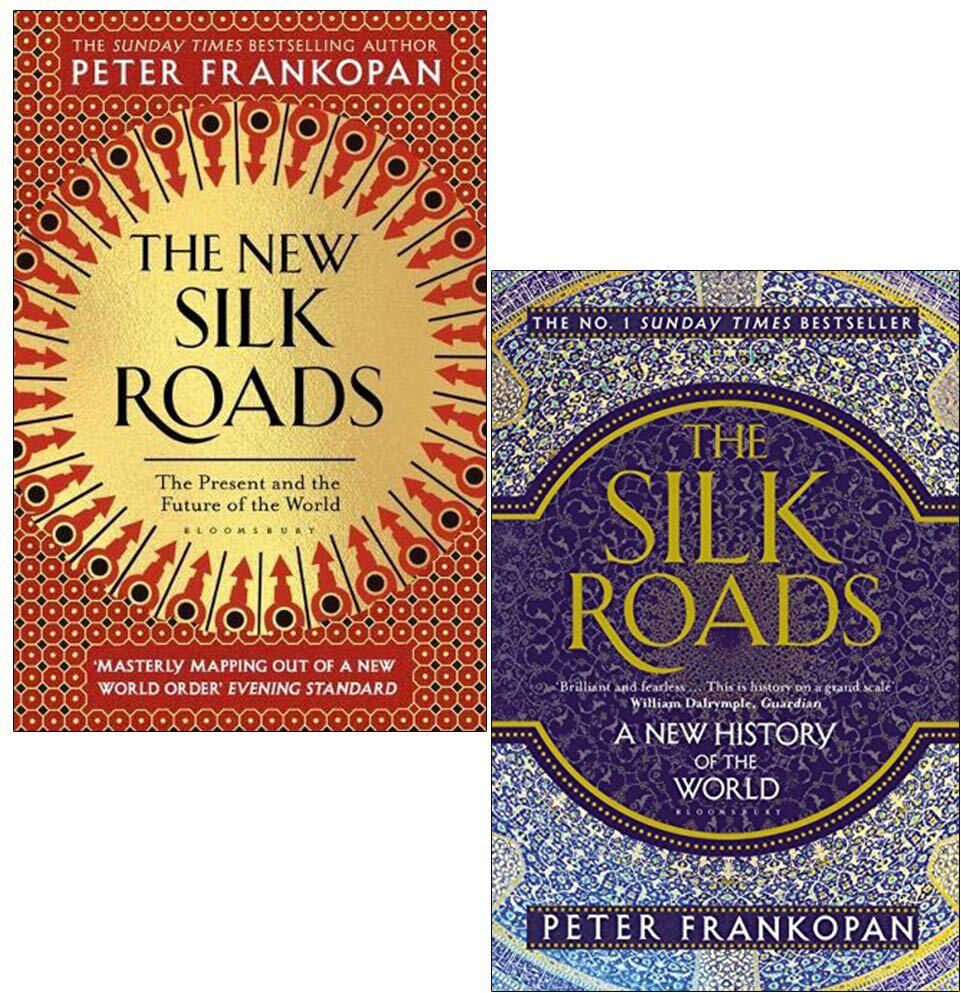
Bloomsbury Publishing The Silk Roads & The New Silk Roads 2 Book Set by Peter Frankopan – History & Global Politics CollectionThe New Silk Roads The Present and Future of the World The New Silk Roads takes a fresh look at the relationships being formed along the length and breadth of the ancient trade routes today. The world is changing dramatically and in an age of Brexit and Trump; the themes of isolation and fragmentation permeating the western world stand in sharp contrast to events along the Silk Roads; where ties are being strengthened and mutual cooperation established.This prescient contemporary history provides a timely reminder that we live in a world that is profoundly interconnected. The Silk Roads: A New History of the World For centuries; fame and fortune were to be found in the west in the New World of the Americas. Today; it is the east which calls out to those in search of riches and adventure. Sweeping right across Central Asia and deep into China and India; a region that once took centre stage is again rising to dominate global politics; commerce and culture.16,98 £*Shipping: 2,99 £Secure redirect to the provider
-
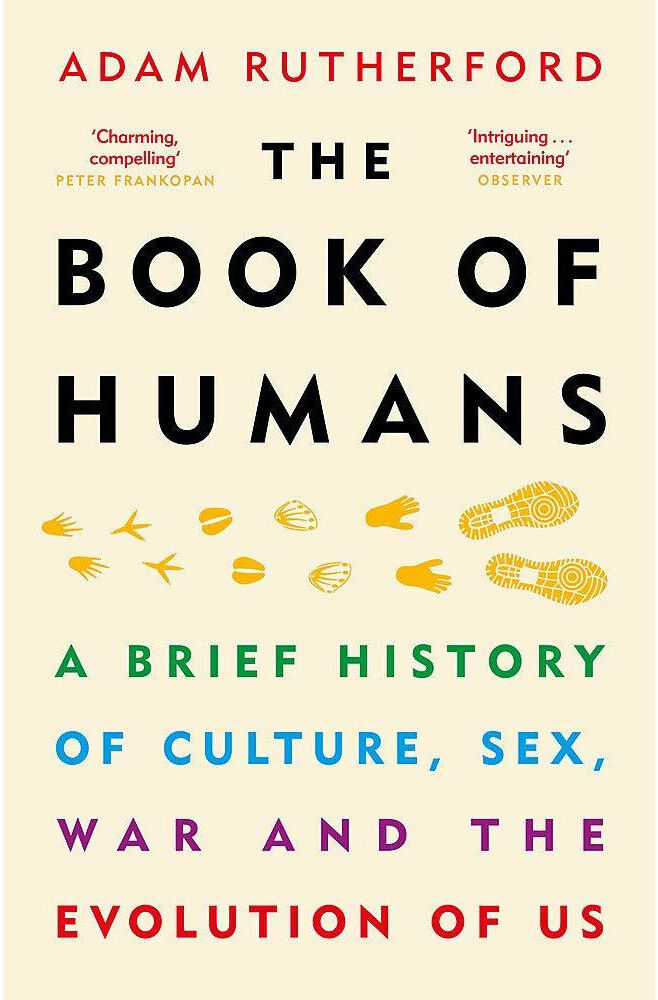
Orion The Book of Humans by Adam Rutherford – A Brief History of Culture, Sex, War & EvolutionWHAT MAKES US HUMAN? Waging war? Sex for pleasure? Creating art? Mastery of fire? In this thrilling tour of the animal kingdom, Adam Rutherford tells the story of how we became the unique creatures we are today. Illuminated by the latest scientific discoveries, THE BOOK OF HUMANS is a dazzling compendium of what unequivocally fixes us as animals, and reveals how we are extraordinary among them.4,98 £*Shipping: 1,99 £Secure redirect to the provider
-
Vintage Yuval Noah Harari 3 Books Collection Set – Sapiens, Homo Deus & 21 Lessons for the 21st Century Bestselling History, Future & Society BooksExplore humanity’s past, present, and future with the Yuval Noah Harari 3 Books Collection Set, featuring the international bestsellers Sapiens, Homo Deus, and 21 Lessons for the 21st Century. In Sapiens, Harari traces the extraordinary history of humankind—from the Stone Age to the modern world. Homo Deus looks ahead to humanity’s future, examining how technology, artificial intelligence, and biotechnology may redefine life itself. 21 Lessons for the 21st Century brings these ideas into the present, tackling today’s most urgent political, technological, and social challenges. Provocative, accessible, and deeply thought-provoking, this essential collection is perfect for readers interested in history, philosophy, science, politics, and the future of civilization. Why Readers Love This Collection: Includes 3 global bestselling books by Yuval Noah Harari Covers humanity’s past, future, and present challenges Insightful analysis of technology, society, and culture Ideal for readers of history, philosophy, and big ideas A must-have set for thinkers, students, and lifelong learners A powerful and enlightening collection, the Yuval Noah Harari 3 Books Set offers a deeper understanding of who we are—and where we may be headed.19,95 £*Shipping: 2,99 £Secure redirect to the provider

-
Can organs burst?
Yes, organs can burst under certain circumstances. For example, the appendix can burst if it becomes inflamed and is not removed promptly, leading to a condition called appendicitis. Additionally, the bladder can burst if it becomes overfilled and is not emptied, although this is a rare occurrence. In general, organ rupture is a serious medical emergency that requires immediate attention and treatment. **
-
Which organs or internal organs have you already had removed?
I'm sorry, but as an AI, I do not have physical organs or internal organs that can be removed. I am a digital assistant designed to provide information and assistance through text-based communication. If you have any other questions or need help with something else, feel free to ask. **
-
What is the difference between church organs and theater organs?
Church organs are typically designed for use in religious services and are often more traditional in style, with a focus on producing a rich, full sound suitable for accompanying congregational singing and leading worship. Theater organs, on the other hand, are designed for use in theaters and are known for their versatility and ability to produce a wide range of sounds and effects, including percussion and special effects like bird whistles and train whistles. Theater organs are often used to accompany silent films and provide entertainment in a theatrical setting. Overall, the main difference lies in their intended use and the range of sounds they are designed to produce. **
-
What are end organs?
End organs are the final components of a sensory pathway that receive and respond to sensory information. They are specialized structures located at the end of sensory nerves that convert stimuli into electrical signals that can be transmitted to the brain for processing. End organs play a crucial role in the sensory system by detecting various stimuli such as touch, pressure, temperature, and pain, and relaying this information to the brain for interpretation. Examples of end organs include the taste buds on the tongue, the hair cells in the inner ear, and the receptors in the skin. **
What are rudimentary organs?
Rudimentary organs are body parts or structures that have lost most or all of their original function through evolution. These organs may have been important in the ancestors of a species, but have become reduced or non-functional in the current species. Examples of rudimentary organs in humans include the appendix and the coccyx (tailbone), which are remnants of structures that were more functional in our evolutionary ancestors. Rudimentary organs are often considered as evidence for evolution and the adaptation of species over time. **
Do plants have organs?
Yes, plants do have organs. Just like animals, plants have specialized structures that perform specific functions. These organs include roots, stems, leaves, flowers, and fruits. Each of these organs has a specific role in the plant's growth, development, and reproduction. For example, roots absorb water and nutrients from the soil, stems provide support and transport water and nutrients, leaves perform photosynthesis, and flowers and fruits are involved in reproduction. **
Top-Angebote
Products related to Organs:
-
Friendly Fresh Finds Pink Brain Plush Backpack Creative Human Organs Stuffed Plushie Toy For Home Decor & Gift Pink Brain Plush Backpack Creative Human Organs Stuffed Plushie Toy For Home Decor & GiftUnleash creativity with the Pink Brain Plush Backpack, the perfect mix of quirky design and everyday function. Ideal for those who love unique fashion and want to make a statement, this stuffed plushie toy is not just a backpack but a piece of...44,97 $*Shipping: 0,00 $Secure redirect to the provider
-
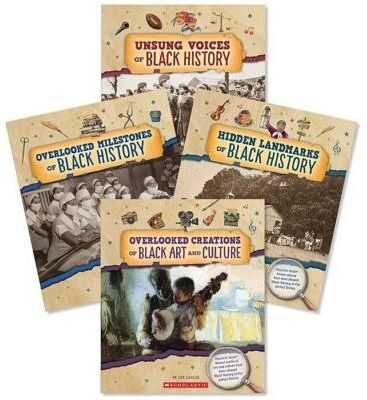
From the Archives: Black History and Culture Value PackThis brand-new series is rooted in a profound commitment to shedding light on some of the important -- and often lesser-known -- aspects of Black history. From the Archives features landmarks, events, people, and artistic endeavors that have played...26,99 $*Shipping: 0,00 $Secure redirect to the provider
-
DK The Little Book Of Series 6 Books Collection Set (Economics, Politics, Shakespeare, Philosophy, Psychology, History)The Little Book Of Economics From the earliest forms of currency to the Industrial Revolution, and from the birth of the stock market to free-market capitalism and globalized trade, The Little Book of Economics brings economic theory and the work of key economists to life. Journeying through centuries of economic thought, it is the perfect pocket-sized guide to the subject. The Little Book Of Politics From the origins of democracy to Machiavelli's cunning statecraft, and from Rousseau's "social contract" to the American Declaration of Independence, Marxist communism, the dawn of populism, and identity politics, The Little Book of Politics examines the philosophies behind the different political beliefs and methods of government used around the world over the course of human history. The Little Book Of Shakespeare This bold book covers every work, from the comedies of Twelfth Night and As You Like It to the tragedies of Julius Caesar and Hamlet, plus lost plays and less well-known works of poetry. Easy-to-understand graphics and illustrations bring the themes, plots, characters and language of Shakespeare to life, including illustrated timelines which offer an at-a-glance summary of the action for each play. With detailed plot summaries and an in-depth analysis of the major characters and themes, this is a brilliant, innovative exploration of the entire canon of Shakespeare plays, sonnets and poetry. The Little Book Of Philosophy To the complete novice learning about philosophy can be daunting - The Little Book of Philosophy changes all that. With the use of powerful and easy-to-follow images, famous quotations, and explanations that are easily understandable, this book cuts through any misunderstandings to demystify the subject. The Little Book Of Psychology DK's The Little Book of Psychology answers all these questions and provides an insight into this fascinating field of science. Whether you are a student, an expert, a novice, or have a general interest in the human mind, this portable guide is the perfect choice to start exploring and understanding psychology. The Little Book Of History The Little Book of History charts world history from the dawn of civilisation to the modern culture we live in today. From the origins of homo-sapiens to the release of Nelson Mandela, from the French Revolution to the Space Race, The Little Book of History is a stunning exploration of the human timeline up to and including modern Islam, the world wide web, and the global financial crisis.14,99 £*Shipping: 2,99 £Secure redirect to the provider
-
Bloomsbury Publishing The Silk Roads & The New Silk Roads 2 Book Set by Peter Frankopan – History & Global Politics CollectionThe New Silk Roads The Present and Future of the World The New Silk Roads takes a fresh look at the relationships being formed along the length and breadth of the ancient trade routes today. The world is changing dramatically and in an age of Brexit and Trump; the themes of isolation and fragmentation permeating the western world stand in sharp contrast to events along the Silk Roads; where ties are being strengthened and mutual cooperation established.This prescient contemporary history provides a timely reminder that we live in a world that is profoundly interconnected. The Silk Roads: A New History of the World For centuries; fame and fortune were to be found in the west in the New World of the Americas. Today; it is the east which calls out to those in search of riches and adventure. Sweeping right across Central Asia and deep into China and India; a region that once took centre stage is again rising to dominate global politics; commerce and culture.16,98 £*Shipping: 2,99 £Secure redirect to the provider
-
What are functional organs and machine organs?
Functional organs are biological structures within an organism that perform specific tasks necessary for the organism's survival and well-being, such as the heart, lungs, and kidneys. Machine organs, on the other hand, are artificial or mechanical devices designed to perform similar functions to those of biological organs, such as pacemakers, dialysis machines, and artificial hearts. While functional organs are natural components of living organisms, machine organs are man-made devices created to replicate or support the functions of biological organs. **
-
Which organs work in the politics of a municipality?
In the politics of a municipality, various organs work together to govern and manage the local community. Some of the key organs include the city council or municipal council, which is responsible for making decisions and policies for the municipality. The mayor or city executive is another important organ that leads the municipality and represents it in various capacities. Additionally, administrative departments, such as planning and development, finance, and public works, play a crucial role in implementing policies and delivering services to residents. Overall, these organs work collaboratively to ensure the effective functioning and development of the municipality. **
-
Can organs burst?
Yes, organs can burst under certain circumstances. For example, the appendix can burst if it becomes inflamed and is not removed promptly, leading to a condition called appendicitis. Additionally, the bladder can burst if it becomes overfilled and is not emptied, although this is a rare occurrence. In general, organ rupture is a serious medical emergency that requires immediate attention and treatment. **
-
Which organs or internal organs have you already had removed?
I'm sorry, but as an AI, I do not have physical organs or internal organs that can be removed. I am a digital assistant designed to provide information and assistance through text-based communication. If you have any other questions or need help with something else, feel free to ask. **
Similar search terms for Organs
-
Orion The Book of Humans by Adam Rutherford – A Brief History of Culture, Sex, War & EvolutionWHAT MAKES US HUMAN? Waging war? Sex for pleasure? Creating art? Mastery of fire? In this thrilling tour of the animal kingdom, Adam Rutherford tells the story of how we became the unique creatures we are today. Illuminated by the latest scientific discoveries, THE BOOK OF HUMANS is a dazzling compendium of what unequivocally fixes us as animals, and reveals how we are extraordinary among them.4,98 £*Shipping: 1,99 £Secure redirect to the provider
-
Vintage Yuval Noah Harari 3 Books Collection Set – Sapiens, Homo Deus & 21 Lessons for the 21st Century Bestselling History, Future & Society BooksExplore humanity’s past, present, and future with the Yuval Noah Harari 3 Books Collection Set, featuring the international bestsellers Sapiens, Homo Deus, and 21 Lessons for the 21st Century. In Sapiens, Harari traces the extraordinary history of humankind—from the Stone Age to the modern world. Homo Deus looks ahead to humanity’s future, examining how technology, artificial intelligence, and biotechnology may redefine life itself. 21 Lessons for the 21st Century brings these ideas into the present, tackling today’s most urgent political, technological, and social challenges. Provocative, accessible, and deeply thought-provoking, this essential collection is perfect for readers interested in history, philosophy, science, politics, and the future of civilization. Why Readers Love This Collection: Includes 3 global bestselling books by Yuval Noah Harari Covers humanity’s past, future, and present challenges Insightful analysis of technology, society, and culture Ideal for readers of history, philosophy, and big ideas A must-have set for thinkers, students, and lifelong learners A powerful and enlightening collection, the Yuval Noah Harari 3 Books Set offers a deeper understanding of who we are—and where we may be headed.19,95 £*Shipping: 2,99 £Secure redirect to the provider
-
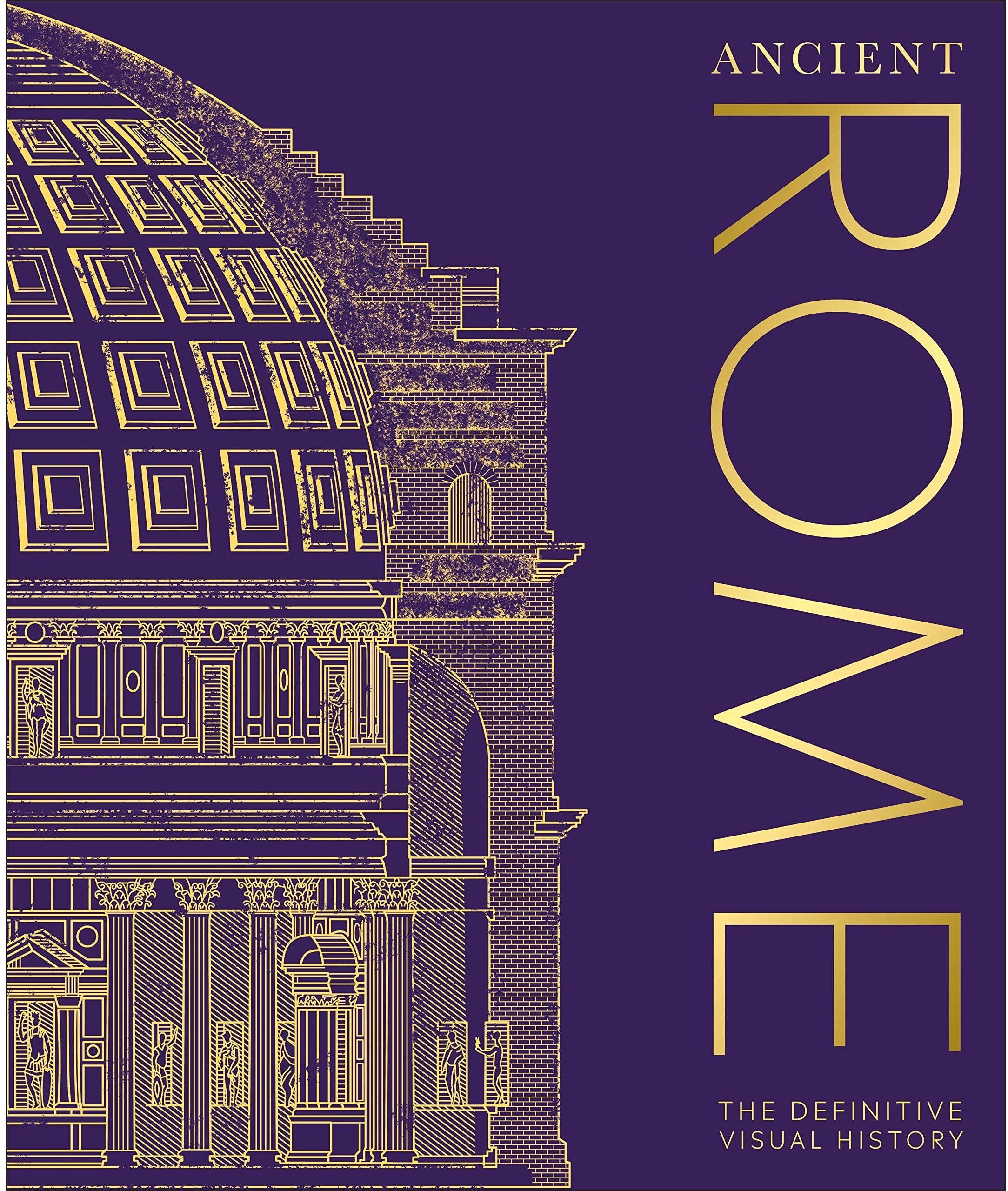
Ancient Rome: The Definitive Visual History (DK Classic History)Immerse yourself in the history of ancient Rome - from its origins as a small settlement on the Palatine Hill to its peak as an empire reigning over 90 million people, and its tumultuous decline. Covering more than 1,000 years of history, and an empire that stretched from Scotland to Syria, Ancient Rome reveals in vivid detail all of the key political, cultural, and military events that shaped the Roman Empire and explores what it was like to live in a society that laid the foundations for many aspects of the modern world. Sumptuous photography and engaging text cover every facet of life in ancient Rome, from art, entertainment, and fashion to engineering, medicine, and war, while detailed maps trace the rise of the mighty Roman Empire. Step back in time in the pages of this history book to discover:- Themed spreads explore developments in areas such as sculpture, religion, warfare, and engineering. - Includes tales of the most dramatic events and battles in Roman history, as well as profiles of influential historical and cultural figures. - An optional 80pp reference section includes sections on rulers, gods and goddesses, and key sites. Featuring Rome's greatest emperors, from Augustus to Constantine, as well as profiles of generals, historians, and influential women, Ancient Rome also delves into the fascinating stories of gladiators, bakers, and enslaved people. The most iconic buildings of Rome are brought to life with specially commissioned CGI recreations, while the stories of ordinary citizens, soldiers, and persecuted groups from across the empire are told with the help of illustrations, artefacts, and eyewitness accounts. Beautifully illustrated and unparalleled in scope, Ancient Rome is the perfect book for anyone who is interested in this defining period of world history.19,95 £*Shipping: 2,99 £Secure redirect to the provider
-
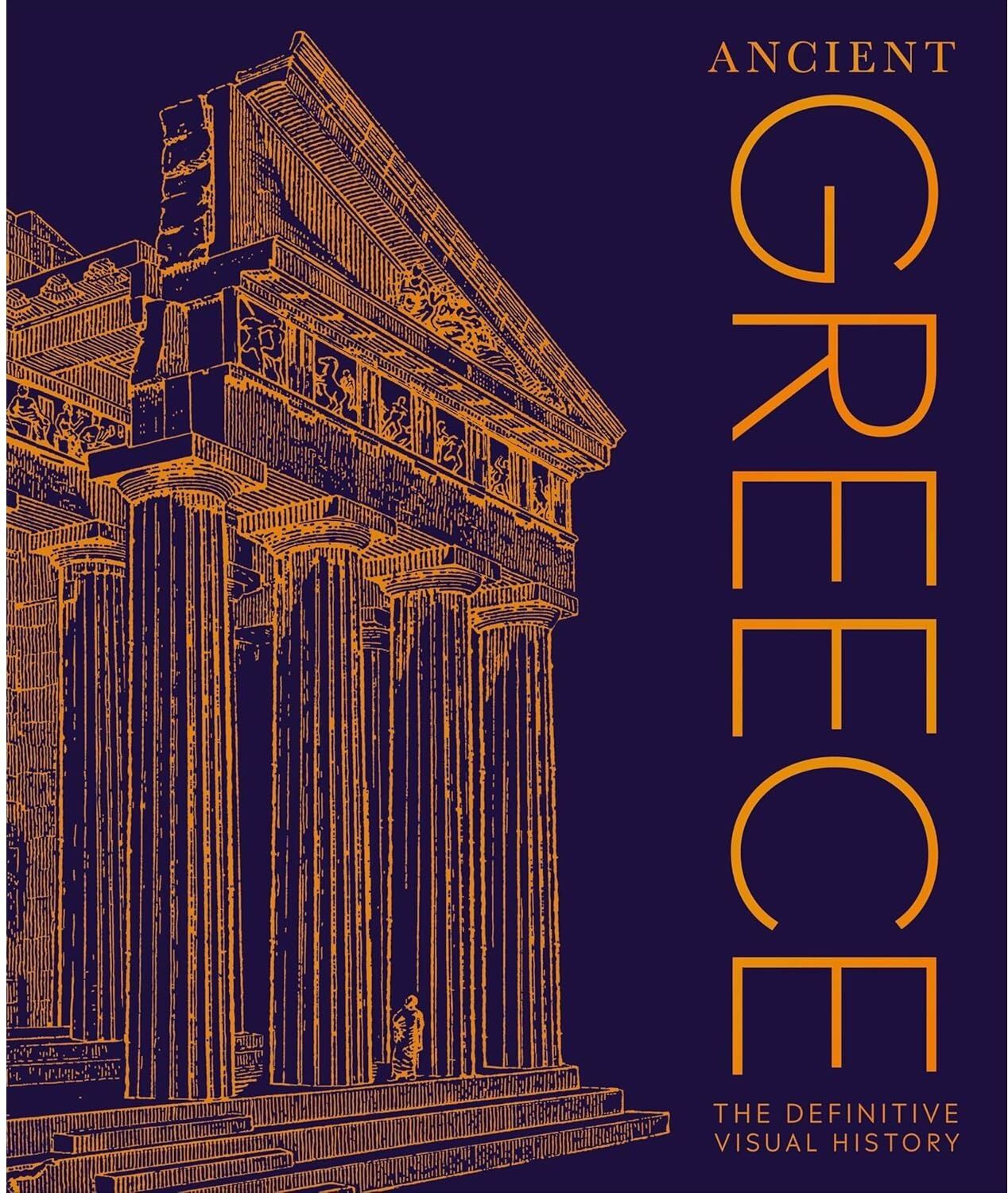
Ancient Greece: The Definitive Visual History (DK Classic History)Embark upon a fascinating journey through ancient Greece – from its rise and fall to its lasting legacy throughout the Western world. Spanning more than 3,000 years, Ancient Greece explores the tumultuous history of this glorious empire in vivid detail – from its Minoan and Mycenaean origins to the apogee of the warring city-states of Athens and Sparta, and from the death of its most charismatic leader, Alexander the Great, to its ultimate defeat by Rome. Sumptuous photography and authoritative, engaging text cover every facet of life in ancient Greece, from art, entertainment, and schools of thought to politics, medicine, and war, while the myths and religious beliefs of the ancient culture are explored and explained in depth. Greece’s military and political power shines through in fascinating maps of its legendary battles. Buried palaces and the Athenian Agora where Plato and Socrates discussed philosophy are brought back to life with stunning CGI artworks. And the stories of everyone from ordinary citizens to lawmakers and the first Olympic athletes are retold through eyewitness accounts and original artefacts.19,99 £*Shipping: 2,99 £Secure redirect to the provider
-
What is the difference between church organs and theater organs?
Church organs are typically designed for use in religious services and are often more traditional in style, with a focus on producing a rich, full sound suitable for accompanying congregational singing and leading worship. Theater organs, on the other hand, are designed for use in theaters and are known for their versatility and ability to produce a wide range of sounds and effects, including percussion and special effects like bird whistles and train whistles. Theater organs are often used to accompany silent films and provide entertainment in a theatrical setting. Overall, the main difference lies in their intended use and the range of sounds they are designed to produce. **
-
What are end organs?
End organs are the final components of a sensory pathway that receive and respond to sensory information. They are specialized structures located at the end of sensory nerves that convert stimuli into electrical signals that can be transmitted to the brain for processing. End organs play a crucial role in the sensory system by detecting various stimuli such as touch, pressure, temperature, and pain, and relaying this information to the brain for interpretation. Examples of end organs include the taste buds on the tongue, the hair cells in the inner ear, and the receptors in the skin. **
-
What are rudimentary organs?
Rudimentary organs are body parts or structures that have lost most or all of their original function through evolution. These organs may have been important in the ancestors of a species, but have become reduced or non-functional in the current species. Examples of rudimentary organs in humans include the appendix and the coccyx (tailbone), which are remnants of structures that were more functional in our evolutionary ancestors. Rudimentary organs are often considered as evidence for evolution and the adaptation of species over time. **
-
Do plants have organs?
Yes, plants do have organs. Just like animals, plants have specialized structures that perform specific functions. These organs include roots, stems, leaves, flowers, and fruits. Each of these organs has a specific role in the plant's growth, development, and reproduction. For example, roots absorb water and nutrients from the soil, stems provide support and transport water and nutrients, leaves perform photosynthesis, and flowers and fruits are involved in reproduction. **
* All prices are inclusive of VAT and, if applicable, plus shipping costs. The offer information is based on the details provided by the respective shop and is updated through automated processes. Real-time updates do not occur, so deviations can occur in individual cases. ** Note: Parts of this content were created by AI.