Buy greekreports.eu ?
We are moving the project
greekreports.eu .
Are you interested in purchasing the domain
greekreports.eu ?
domain@kv-gmbh.de · 0541-91531010
Buy greekreports.eu ?
What is the relationship between society, economy, and politics?
The relationship between society, economy, and politics is complex and interdependent. Society shapes the economy and politics through its values, beliefs, and behaviors. The economy provides the resources and infrastructure that support society and political systems. Politics, in turn, influences the distribution of resources and the rules that govern economic activity, which in turn affects society. These three elements are interconnected and constantly influence and shape each other in a dynamic way. **
What does center-right mean in politics?
Center-right in politics typically refers to a political ideology that combines conservative and moderate views. It often advocates for free market principles, limited government intervention in the economy, and traditional social values. Center-right parties or politicians may also prioritize national security, law and order, and a strong defense. Overall, center-right politics seeks to balance conservative values with a pragmatic approach to governance. **


Similar search terms for Center
Top-Angebote
Products related to Center:
-
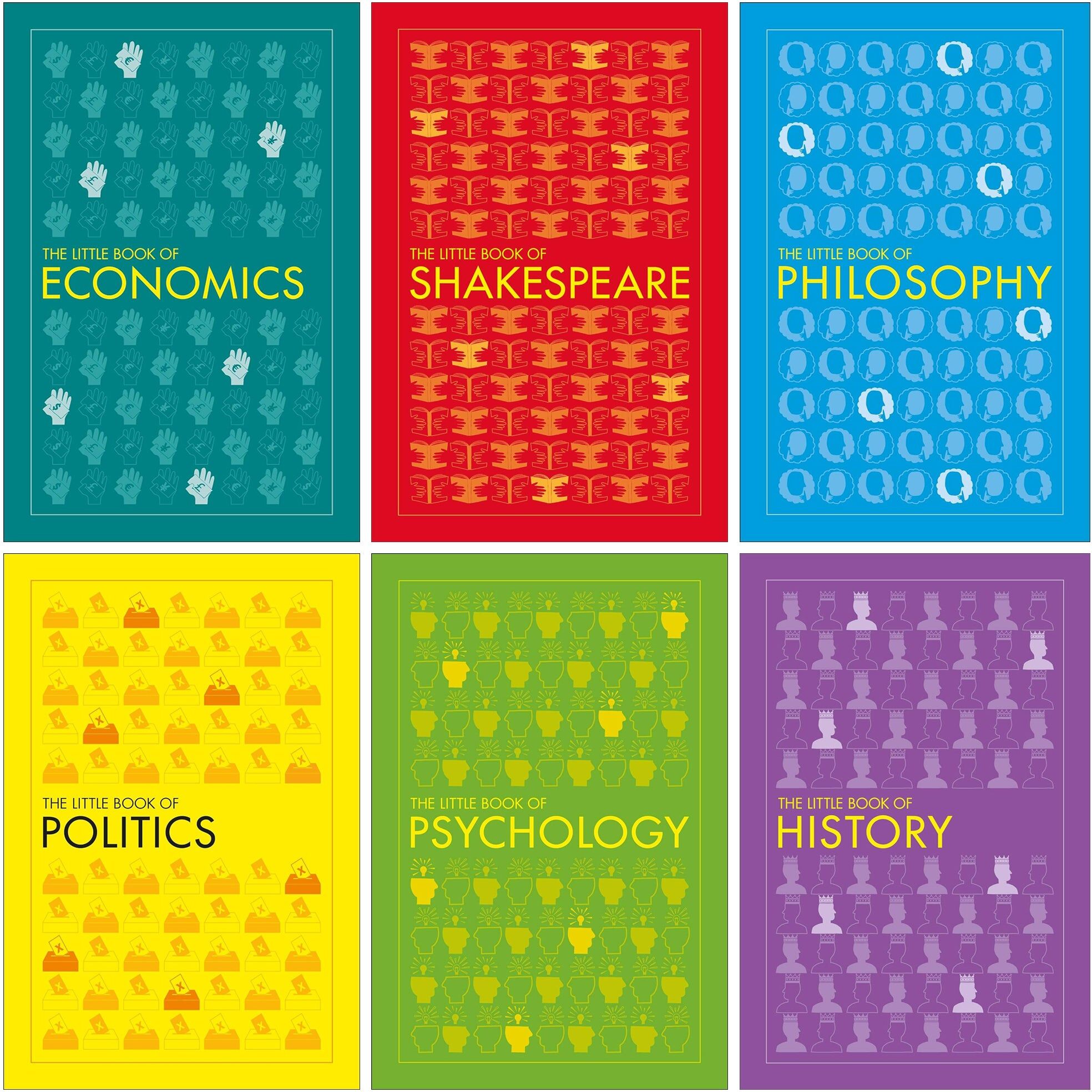
DK The Little Book Of Series 6 Books Collection Set (Economics, Politics, Shakespeare, Philosophy, Psychology, History)The Little Book Of Economics From the earliest forms of currency to the Industrial Revolution, and from the birth of the stock market to free-market capitalism and globalized trade, The Little Book of Economics brings economic theory and the work of key economists to life. Journeying through centuries of economic thought, it is the perfect pocket-sized guide to the subject. The Little Book Of Politics From the origins of democracy to Machiavelli's cunning statecraft, and from Rousseau's "social contract" to the American Declaration of Independence, Marxist communism, the dawn of populism, and identity politics, The Little Book of Politics examines the philosophies behind the different political beliefs and methods of government used around the world over the course of human history. The Little Book Of Shakespeare This bold book covers every work, from the comedies of Twelfth Night and As You Like It to the tragedies of Julius Caesar and Hamlet, plus lost plays and less well-known works of poetry. Easy-to-understand graphics and illustrations bring the themes, plots, characters and language of Shakespeare to life, including illustrated timelines which offer an at-a-glance summary of the action for each play. With detailed plot summaries and an in-depth analysis of the major characters and themes, this is a brilliant, innovative exploration of the entire canon of Shakespeare plays, sonnets and poetry. The Little Book Of Philosophy To the complete novice learning about philosophy can be daunting - The Little Book of Philosophy changes all that. With the use of powerful and easy-to-follow images, famous quotations, and explanations that are easily understandable, this book cuts through any misunderstandings to demystify the subject. The Little Book Of Psychology DK's The Little Book of Psychology answers all these questions and provides an insight into this fascinating field of science. Whether you are a student, an expert, a novice, or have a general interest in the human mind, this portable guide is the perfect choice to start exploring and understanding psychology. The Little Book Of History The Little Book of History charts world history from the dawn of civilisation to the modern culture we live in today. From the origins of homo-sapiens to the release of Nelson Mandela, from the French Revolution to the Space Race, The Little Book of History is a stunning exploration of the human timeline up to and including modern Islam, the world wide web, and the global financial crisis.14,99 £*Shipping: 2,99 £Secure redirect to the provider
-
From the Archives: Black History and Culture Value PackThis brand-new series is rooted in a profound commitment to shedding light on some of the important -- and often lesser-known -- aspects of Black history. From the Archives features landmarks, events, people, and artistic endeavors that have played...26,99 $*Shipping: 0,00 $Secure redirect to the provider



-
What is a current topic about politics, economy, and society?
One current topic about politics, economy, and society is the global response to the COVID-19 pandemic. Governments around the world are implementing various policies to address the public health crisis, support their economies, and mitigate the social impact of the pandemic. This includes measures such as vaccine distribution, economic stimulus packages, and social welfare programs. The pandemic has also highlighted existing inequalities within societies and has sparked discussions about the need for more inclusive and sustainable economic and social systems. **
-
How can one convey German culture, society, and politics to people in another country?
One way to convey German culture, society, and politics to people in another country is through cultural exchange programs, where individuals from Germany can share their experiences and perspectives with people from other countries. Additionally, organizing events such as film screenings, art exhibitions, and traditional music performances can help showcase different aspects of German culture. Furthermore, providing educational materials and resources about German history, politics, and social issues can help people in other countries gain a better understanding of the country. Lastly, fostering open dialogue and discussions about German culture, society, and politics can help bridge the gap between different countries and promote mutual understanding. **
-
Why is German politics mainly divided into left, center, and right?
German politics is mainly divided into left, center, and right due to historical and ideological reasons. The left represents socialist and social democratic parties, which have their roots in the labor movement and advocate for social equality and welfare policies. The center consists of moderate and centrist parties that seek to balance social and economic policies. The right encompasses conservative and liberal parties that prioritize free market principles and traditional values. This division reflects the diversity of political ideologies and historical developments in Germany, shaping the country's political landscape. **
-
What is the difference between civil society politics and pluralistic society politics?
Civil society politics refers to the participation of non-governmental organizations, community groups, and individuals in the political process to advocate for social change and public policy reform. This type of politics focuses on grassroots activism and often involves issues related to human rights, environmental protection, and social justice. On the other hand, pluralistic society politics refers to the political system in which power is dispersed among various competing interest groups, such as political parties, business organizations, and labor unions. In a pluralistic society, different groups with diverse interests and ideologies compete for influence and power within the political system. The key difference between civil society politics and pluralistic society politics lies in the actors involved and the nature of their engagement in the political process. Civil society politics emphasizes the role of non-state actors in advocating for social change, while pluralistic society politics focuses on the competition and negotiation among various interest groups within the political system. **


Where do the terms left, right, and center in politics originate from?
The terms left, right, and center in politics originate from the seating arrangements of the French National Assembly during the French Revolution in 1789. Supporters of the monarchy and traditional institutions sat on the right side of the assembly, while supporters of the revolution and radical change sat on the left. Those who were more moderate and did not align strongly with either side sat in the center. Over time, these terms have come to represent different political ideologies and positions on the political spectrum. **
Who can explain to me what left, right, and center mean in politics?
In politics, the terms left, right, and center are used to describe different ideological positions. The left generally refers to those who support progressive or liberal policies, such as social equality and government intervention in the economy. The right typically represents those who advocate for conservative or traditional values, limited government intervention, and free market principles. The center often refers to those who hold more moderate or centrist views, seeking a balance between the left and right ideologies. These terms can vary in meaning depending on the specific political context and country. **
Top-Angebote
Products related to Center:
-
No Craft CenterAdjustable angle work surface: 31.5in wide x 23.5in deep Top angle adjustment from flat to 30 degrees, 24 inch pencil ledge Two removable side trays for supplies, Powder coated steel frame for durability Four casters for mobility with two locking for…279,99 $*Shipping: 0,00 $Secure redirect to the provider
-
"Utopia Alley Brax Brushed Nickel Cabinet Pull, 5.1"" Center to Center"This decorative cabinet drop pull is a great accent for your modern, contemporary, or eclectic decor! Use in your kitchen, bath, office or any cabinet or drawer in your home! Adds style and functionality to your cabinets and drawers.40,99 $*Shipping: 0,00 $Secure redirect to the provider
-
DK The Little Book Of Series 6 Books Collection Set (Economics, Politics, Shakespeare, Philosophy, Psychology, History)The Little Book Of Economics From the earliest forms of currency to the Industrial Revolution, and from the birth of the stock market to free-market capitalism and globalized trade, The Little Book of Economics brings economic theory and the work of key economists to life. Journeying through centuries of economic thought, it is the perfect pocket-sized guide to the subject. The Little Book Of Politics From the origins of democracy to Machiavelli's cunning statecraft, and from Rousseau's "social contract" to the American Declaration of Independence, Marxist communism, the dawn of populism, and identity politics, The Little Book of Politics examines the philosophies behind the different political beliefs and methods of government used around the world over the course of human history. The Little Book Of Shakespeare This bold book covers every work, from the comedies of Twelfth Night and As You Like It to the tragedies of Julius Caesar and Hamlet, plus lost plays and less well-known works of poetry. Easy-to-understand graphics and illustrations bring the themes, plots, characters and language of Shakespeare to life, including illustrated timelines which offer an at-a-glance summary of the action for each play. With detailed plot summaries and an in-depth analysis of the major characters and themes, this is a brilliant, innovative exploration of the entire canon of Shakespeare plays, sonnets and poetry. The Little Book Of Philosophy To the complete novice learning about philosophy can be daunting - The Little Book of Philosophy changes all that. With the use of powerful and easy-to-follow images, famous quotations, and explanations that are easily understandable, this book cuts through any misunderstandings to demystify the subject. The Little Book Of Psychology DK's The Little Book of Psychology answers all these questions and provides an insight into this fascinating field of science. Whether you are a student, an expert, a novice, or have a general interest in the human mind, this portable guide is the perfect choice to start exploring and understanding psychology. The Little Book Of History The Little Book of History charts world history from the dawn of civilisation to the modern culture we live in today. From the origins of homo-sapiens to the release of Nelson Mandela, from the French Revolution to the Space Race, The Little Book of History is a stunning exploration of the human timeline up to and including modern Islam, the world wide web, and the global financial crisis.14,99 £*Shipping: 2,99 £Secure redirect to the provider
-
From the Archives: Black History and Culture Value PackThis brand-new series is rooted in a profound commitment to shedding light on some of the important -- and often lesser-known -- aspects of Black history. From the Archives features landmarks, events, people, and artistic endeavors that have played...26,99 $*Shipping: 0,00 $Secure redirect to the provider
-
What is the relationship between society, economy, and politics?
The relationship between society, economy, and politics is complex and interdependent. Society shapes the economy and politics through its values, beliefs, and behaviors. The economy provides the resources and infrastructure that support society and political systems. Politics, in turn, influences the distribution of resources and the rules that govern economic activity, which in turn affects society. These three elements are interconnected and constantly influence and shape each other in a dynamic way. **
-
What does center-right mean in politics?
Center-right in politics typically refers to a political ideology that combines conservative and moderate views. It often advocates for free market principles, limited government intervention in the economy, and traditional social values. Center-right parties or politicians may also prioritize national security, law and order, and a strong defense. Overall, center-right politics seeks to balance conservative values with a pragmatic approach to governance. **
-
What is a current topic about politics, economy, and society?
One current topic about politics, economy, and society is the global response to the COVID-19 pandemic. Governments around the world are implementing various policies to address the public health crisis, support their economies, and mitigate the social impact of the pandemic. This includes measures such as vaccine distribution, economic stimulus packages, and social welfare programs. The pandemic has also highlighted existing inequalities within societies and has sparked discussions about the need for more inclusive and sustainable economic and social systems. **
-
How can one convey German culture, society, and politics to people in another country?
One way to convey German culture, society, and politics to people in another country is through cultural exchange programs, where individuals from Germany can share their experiences and perspectives with people from other countries. Additionally, organizing events such as film screenings, art exhibitions, and traditional music performances can help showcase different aspects of German culture. Furthermore, providing educational materials and resources about German history, politics, and social issues can help people in other countries gain a better understanding of the country. Lastly, fostering open dialogue and discussions about German culture, society, and politics can help bridge the gap between different countries and promote mutual understanding. **
Similar search terms for Center
-
"Utopia Alley Brax Brushed Nickel Cabinet Pull, 5.1"" Center to Center"This decorative cabinet drop pull is a great accent for your modern, contemporary, or eclectic decor! Use in your kitchen, bath, office or any cabinet or drawer in your home! Adds style and functionality to your cabinets and drawers.71,49 $*Shipping: 0,00 $Secure redirect to the provider
-
"Utopia Alley Brax Brushed Nickel Cabinet Pull, 5.1"" Center to Center"This decorative cabinet drop pull is a great accent for your modern, contemporary, or eclectic decor! Use in your kitchen, bath, office or any cabinet or drawer in your home! Adds style and functionality to your cabinets and drawers.157,99 $*Shipping: 0,00 $Secure redirect to the provider
-
Why is German politics mainly divided into left, center, and right?
German politics is mainly divided into left, center, and right due to historical and ideological reasons. The left represents socialist and social democratic parties, which have their roots in the labor movement and advocate for social equality and welfare policies. The center consists of moderate and centrist parties that seek to balance social and economic policies. The right encompasses conservative and liberal parties that prioritize free market principles and traditional values. This division reflects the diversity of political ideologies and historical developments in Germany, shaping the country's political landscape. **
-
What is the difference between civil society politics and pluralistic society politics?
Civil society politics refers to the participation of non-governmental organizations, community groups, and individuals in the political process to advocate for social change and public policy reform. This type of politics focuses on grassroots activism and often involves issues related to human rights, environmental protection, and social justice. On the other hand, pluralistic society politics refers to the political system in which power is dispersed among various competing interest groups, such as political parties, business organizations, and labor unions. In a pluralistic society, different groups with diverse interests and ideologies compete for influence and power within the political system. The key difference between civil society politics and pluralistic society politics lies in the actors involved and the nature of their engagement in the political process. Civil society politics emphasizes the role of non-state actors in advocating for social change, while pluralistic society politics focuses on the competition and negotiation among various interest groups within the political system. **
-
Where do the terms left, right, and center in politics originate from?
The terms left, right, and center in politics originate from the seating arrangements of the French National Assembly during the French Revolution in 1789. Supporters of the monarchy and traditional institutions sat on the right side of the assembly, while supporters of the revolution and radical change sat on the left. Those who were more moderate and did not align strongly with either side sat in the center. Over time, these terms have come to represent different political ideologies and positions on the political spectrum. **
-
Who can explain to me what left, right, and center mean in politics?
In politics, the terms left, right, and center are used to describe different ideological positions. The left generally refers to those who support progressive or liberal policies, such as social equality and government intervention in the economy. The right typically represents those who advocate for conservative or traditional values, limited government intervention, and free market principles. The center often refers to those who hold more moderate or centrist views, seeking a balance between the left and right ideologies. These terms can vary in meaning depending on the specific political context and country. **
* All prices are inclusive of VAT and, if applicable, plus shipping costs. The offer information is based on the details provided by the respective shop and is updated through automated processes. Real-time updates do not occur, so deviations can occur in individual cases. ** Note: Parts of this content were created by AI.