Buy greekreports.eu ?
We are moving the project
greekreports.eu .
Are you interested in purchasing the domain
greekreports.eu ?
domain@kv-gmbh.de · 0541-91531010
Buy greekreports.eu ?
What is the relationship between society, economy, and politics?
The relationship between society, economy, and politics is complex and interdependent. Society shapes the economy and politics through its values, beliefs, and behaviors. The economy provides the resources and infrastructure that support society and political systems. Politics, in turn, influences the distribution of resources and the rules that govern economic activity, which in turn affects society. These three elements are interconnected and constantly influence and shape each other in a dynamic way. **
What is a current topic about politics, economy, and society?
One current topic about politics, economy, and society is the global response to the COVID-19 pandemic. Governments around the world are implementing various policies to address the public health crisis, support their economies, and mitigate the social impact of the pandemic. This includes measures such as vaccine distribution, economic stimulus packages, and social welfare programs. The pandemic has also highlighted existing inequalities within societies and has sparked discussions about the need for more inclusive and sustainable economic and social systems. **


Similar search terms for Children
Top-Angebote
Products related to Children:
-
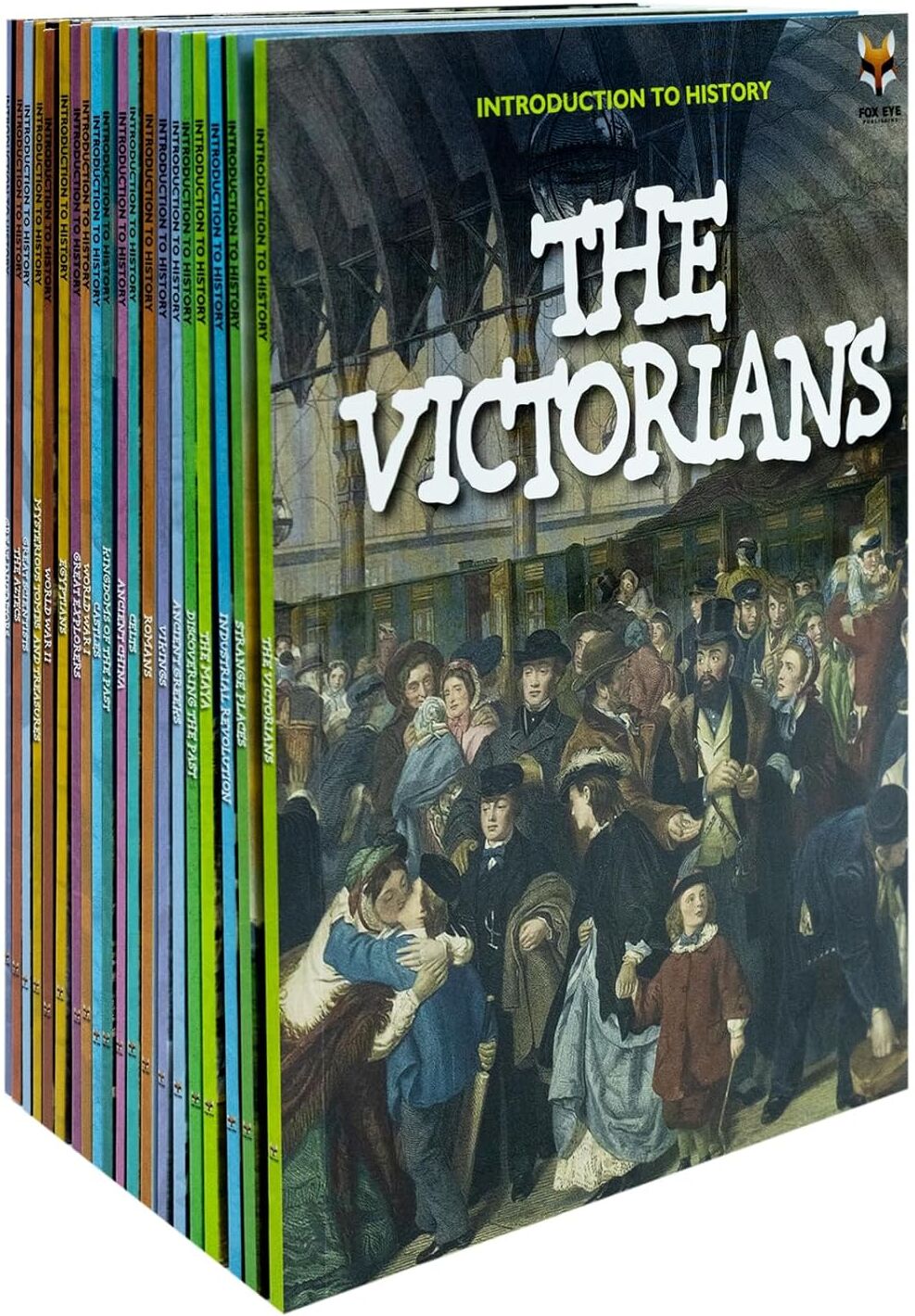
Fox Eye Publishing Children Introduction to History for Beginners (Series 1 & 2) 20 Books Collection Set - Illustrated Learning Book of World History for Kids"Introduction to History Series 1" comprises a captivating 10-book set delving into pivotal periods, figures, and events that shaped our world. Each book is a gateway to a distinct facet of history, inviting readers to embark on an enriching journey through time. Introduction to Ancient China: The ancient Chinese were clever inventors and fearsome fighters. Find out more about them and their amazing way of life inside. Introduction to Industrial Revolution: What was the Industrial Revolution and why did it happen? Find out inside. Introduction to Strange Places: What are strange places and what have we learnt about them? Find out inside. Introduction to Celts: The Celts were fearsome warriors and clever craftspeople. Find out more about them and their amazing way of life inside. Introduction to Discovering the Past: The past is full of wonder, and we can discover it by digging it up! Find out all about past people and how we learn about them inside. Introduction to Ancient Greeks: The ancient Greeks were clever thinkers and master builders. Find out more about them and their amazing way of life inside. Introduction to The Maya: The Maya were fierce fighters and master mathematicians. Find out more about them and their amazing way of life inside. Introduction to Romans: The Romans built an incredible empire that conquered much of the world. Find out more about them and their amazing way of life inside. Introduction to Vikings: The Vikings were fierce fighters and great explorers. Find out more about them and their amazing way of life inside. Introduction to The Victorians: Who were the Victorians and how did they change history? Find out inside. Each book in this set offers a captivating glimpse into a different facet of history, providing a comprehensive introduction to these diverse and intriguing civilizations and eras. "Introduction to History Series 2" comprises a captivating 10-book set delving into pivotal periods, figures, and events that shaped our world. Each book is a gateway to a distinct facet of history, inviting readers to embark on an enriching journey through time. Introduction to Great Explorers: Who were history’s great explorers and where did they travel? Find out inside. Introduction to Great Inventors: Who were history’s great inventors and what did they invent? Find out inside. Introduction to Great Scientists: Who were history’s great scientists and what did they discover? Find out inside. Introduction to Castles: Castles were amazing buildings that were home to many people. Find out all about castles and what life was like inside them. Introduction to Kingdoms of the Past: What were the great kingdoms of the past and who ruled them? Find out inside. Introduction to Mysterious Tombs and Treasures: What are mysterious tombs and treasures and where can they be found? Find out inside. Egyptians: The ancient Egyptians were clever farmers and brilliant builders. Find out more about them and their amazing way of life inside. The...14,99 £*Shipping: 2,99 £Secure redirect to the provider
-
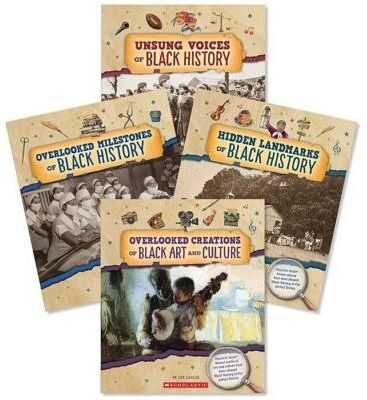
From the Archives: Black History and Culture Value PackThis brand-new series is rooted in a profound commitment to shedding light on some of the important -- and often lesser-known -- aspects of Black history. From the Archives features landmarks, events, people, and artistic endeavors that have played...26,99 $*Shipping: 0,00 $Secure redirect to the provider
-
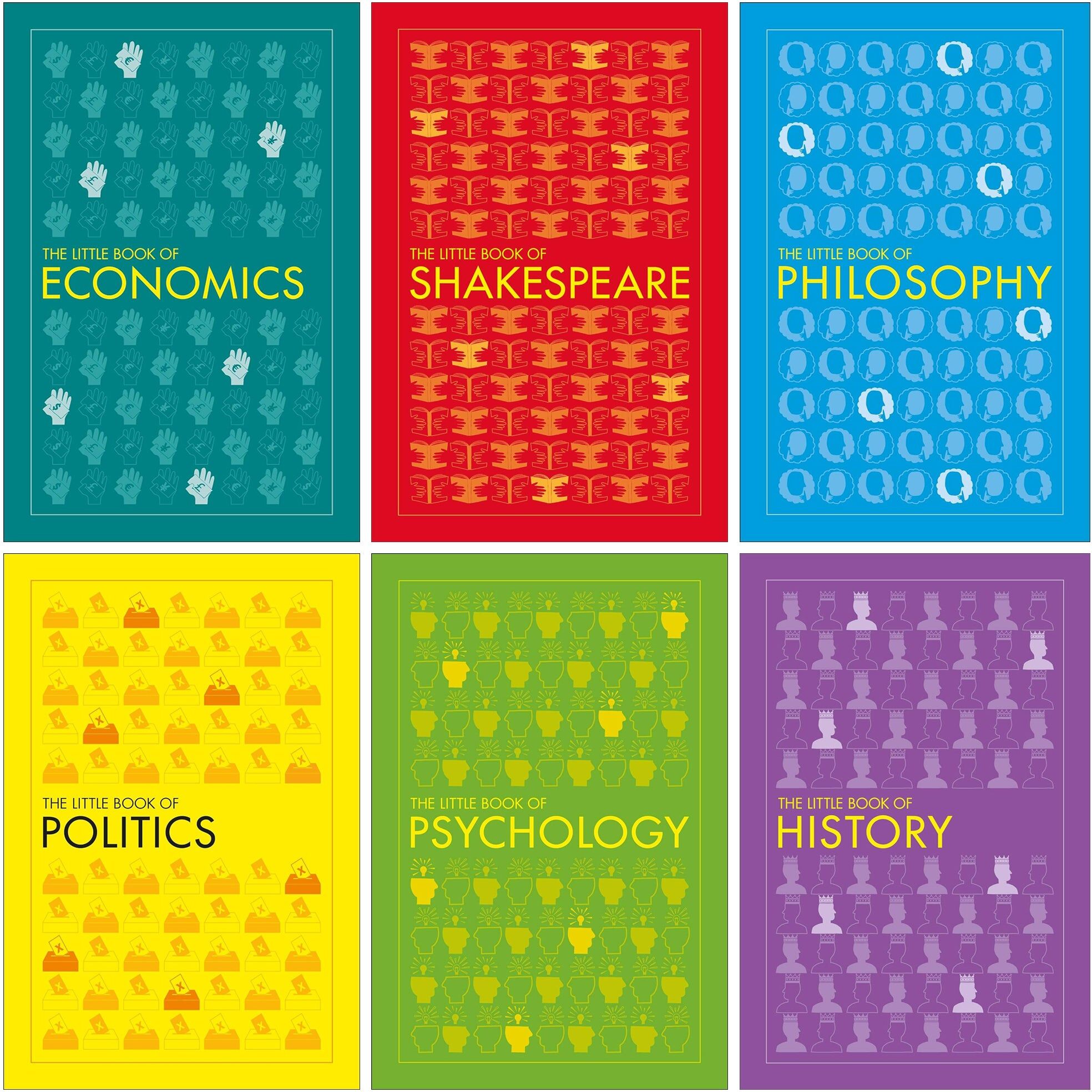
DK The Little Book Of Series 6 Books Collection Set (Economics, Politics, Shakespeare, Philosophy, Psychology, History)The Little Book Of Economics From the earliest forms of currency to the Industrial Revolution, and from the birth of the stock market to free-market capitalism and globalized trade, The Little Book of Economics brings economic theory and the work of key economists to life. Journeying through centuries of economic thought, it is the perfect pocket-sized guide to the subject. The Little Book Of Politics From the origins of democracy to Machiavelli's cunning statecraft, and from Rousseau's "social contract" to the American Declaration of Independence, Marxist communism, the dawn of populism, and identity politics, The Little Book of Politics examines the philosophies behind the different political beliefs and methods of government used around the world over the course of human history. The Little Book Of Shakespeare This bold book covers every work, from the comedies of Twelfth Night and As You Like It to the tragedies of Julius Caesar and Hamlet, plus lost plays and less well-known works of poetry. Easy-to-understand graphics and illustrations bring the themes, plots, characters and language of Shakespeare to life, including illustrated timelines which offer an at-a-glance summary of the action for each play. With detailed plot summaries and an in-depth analysis of the major characters and themes, this is a brilliant, innovative exploration of the entire canon of Shakespeare plays, sonnets and poetry. The Little Book Of Philosophy To the complete novice learning about philosophy can be daunting - The Little Book of Philosophy changes all that. With the use of powerful and easy-to-follow images, famous quotations, and explanations that are easily understandable, this book cuts through any misunderstandings to demystify the subject. The Little Book Of Psychology DK's The Little Book of Psychology answers all these questions and provides an insight into this fascinating field of science. Whether you are a student, an expert, a novice, or have a general interest in the human mind, this portable guide is the perfect choice to start exploring and understanding psychology. The Little Book Of History The Little Book of History charts world history from the dawn of civilisation to the modern culture we live in today. From the origins of homo-sapiens to the release of Nelson Mandela, from the French Revolution to the Space Race, The Little Book of History is a stunning exploration of the human timeline up to and including modern Islam, the world wide web, and the global financial crisis.14,99 £*Shipping: 2,99 £Secure redirect to the provider

-
Who protects children in society?
Children in society are protected by a combination of individuals and institutions. Parents and caregivers play a crucial role in protecting children by providing for their basic needs, ensuring their safety, and nurturing their emotional well-being. Additionally, government agencies, such as child protective services, and laws and policies are in place to safeguard children from abuse, neglect, and exploitation. Schools, healthcare providers, and community organizations also contribute to the protection of children by providing support, education, and resources to promote their well-being. Overall, it is a collective responsibility of society to protect and prioritize the safety and welfare of children. **
-
"Is society becoming increasingly unfriendly towards children?"
Society's attitude towards children can vary depending on the specific context and location. In some cases, there are concerns that society is becoming increasingly unfriendly towards children, as evidenced by decreasing investment in education and child welfare, rising rates of child poverty, and limited access to safe and child-friendly public spaces. Additionally, the impact of technology and social media on children's well-being has raised concerns about their mental and emotional health. However, there are also many individuals and organizations working to create more child-friendly environments and advocate for the rights and well-being of children, showing that there is still hope for a more supportive and friendly society for children. **
-
What is the history of the children?
The history of children is a complex and multifaceted one, shaped by cultural, social, and economic factors throughout time. In ancient societies, children were often viewed as property of their parents and had limited rights. During the Middle Ages, children were often put to work at a young age and had few opportunities for education. The concept of childhood as a distinct and important stage of life began to emerge during the Renaissance, and the 19th and 20th centuries saw significant advancements in child labor laws, education, and child welfare. Today, children's rights are recognized and protected by international conventions and laws, although challenges such as child labor, poverty, and access to education still persist in many parts of the world. **
-
How can one convey German culture, society, and politics to people in another country?
One way to convey German culture, society, and politics to people in another country is through cultural exchange programs, where individuals from Germany can share their experiences and perspectives with people from other countries. Additionally, organizing events such as film screenings, art exhibitions, and traditional music performances can help showcase different aspects of German culture. Furthermore, providing educational materials and resources about German history, politics, and social issues can help people in other countries gain a better understanding of the country. Lastly, fostering open dialogue and discussions about German culture, society, and politics can help bridge the gap between different countries and promote mutual understanding. **


Should children and adolescents be kept away from politics?
Children and adolescents should not be kept away from politics, as it is important for them to understand the world around them and the impact of political decisions on their lives. By being exposed to politics, they can develop critical thinking skills, learn about civic engagement, and become informed and active citizens. However, it is important for adults to provide age-appropriate information and guidance to help children and adolescents navigate the complexities of politics in a responsible and constructive manner. **
What is the difference between civil society politics and pluralistic society politics?
Civil society politics refers to the participation of non-governmental organizations, community groups, and individuals in the political process to advocate for social change and public policy reform. This type of politics focuses on grassroots activism and often involves issues related to human rights, environmental protection, and social justice. On the other hand, pluralistic society politics refers to the political system in which power is dispersed among various competing interest groups, such as political parties, business organizations, and labor unions. In a pluralistic society, different groups with diverse interests and ideologies compete for influence and power within the political system. The key difference between civil society politics and pluralistic society politics lies in the actors involved and the nature of their engagement in the political process. Civil society politics emphasizes the role of non-state actors in advocating for social change, while pluralistic society politics focuses on the competition and negotiation among various interest groups within the political system. **
Top-Angebote
Products related to Children:
-
Usborne Beginners History 10 Books Collection Box Set Educational History Books for Children - Stone Age Iron Age - HARDCOVERUsborne Beginners History 10 Books Collection Box Set Stone Age Iron Age Egyptians Ancient Greeks .. Stone Age This simple information book follows the history of Stone Age people and how they lived. Iron Age This simple information book charts the history of Iron Age people and how they lived; including their farming methods; the gods they prayed to and the hill forts where they lived. Egyptians Who were the ancient Egyptians? Why did they build pyramids and how were mummies made? Ancient Greeks Find out about Ancient Greece; what people wore; ate and did for fun and learn about some of the most famous philosophers and mathematicians of the age in this compelling book for beginner readers. Celts Who were the Celts exactly? Did you know they lived on top of hills? Do you have any idea how Celtic warriors made themselves look really scary in battle? Romans Who were the ancient Romans? Where did they go to eat; shop and wash? What did they do for fun? The Maya Who were the Maya? Where did they live? Why did they build tall stone temples? Vikings Find out what it was like to be a Viking; and learn about Viking homes; feasts; boats; gods and much more in this fascinating book. Castles Who lived in a castle; and what was it like? Children can find out the answers to these questions and lots more about the wonderful world of castles in this informative book. Digging Up the Past How do ancient things get buried? Who digs them up? And what do they find? Beginner readers can find answers to these questions and more in this colourful information book. Related Tags: Usborne, Usbourne14,99 £*Shipping: 2,99 £Secure redirect to the provider
-
Pan Macmillan Children of Time Series 3 Books Collection Set (Children of Time, Children of Ruin & Children of Memory)Children of TimeChildren of Time, is the epic story of humanity's battle for survival on a terraformed planet.Who will inherit this new Earth? The last remnants of the human race left a dying Earth, desperate to find a new home among the stars. Following in the footsteps of their ancestors, they discover the greatest treasure of the past age – a world terraformed and prepared for human life.Children of RuinIt has been waiting through the ages. Now it's time . . .Thousands of years ago, Earth’s terraforming program took to the stars. On the world they called Nod, scientists discovered alien life – but it was their mission to overwrite it with the memory of Earth. Then humanity’s great empire fell, and the program’s decisions were lost to time.Aeons later, humanity and its new spider allies detected fragmentary radio signals between the stars. They dispatched an exploration vessel, hoping to find cousins from old Earth.But those ancient terraformers woke something on Nod better left undisturbed.And it’s been waiting for them.Children of MemoryThey dreamed of a new homeThey woke to a nightmareOn Imir, Captain Holt founded a new colony on an empty world. In the process, he created hope and a new future for humanity. But generations later, his descendants are struggling to survive. As harvests worsen and equipment fails, strangers appear in a town where everyone knows their neighbour. Now the inexplicable lurks in the woods and the community fears it’s being observed – that they’re not alone.They’d be right, as explorers from the stars have arrived in secret to help this lost outpost. Confident of their superior technology, and overseen by the all-knowing construct of Doctor Avrana Kern, they begin to study their long-lost cousins from Earth.16,49 £*Shipping: 2,99 £Secure redirect to the provider
-
Fox Eye Publishing Children Introduction to History for Beginners (Series 1 & 2) 20 Books Collection Set - Illustrated Learning Book of World History for Kids"Introduction to History Series 1" comprises a captivating 10-book set delving into pivotal periods, figures, and events that shaped our world. Each book is a gateway to a distinct facet of history, inviting readers to embark on an enriching journey through time. Introduction to Ancient China: The ancient Chinese were clever inventors and fearsome fighters. Find out more about them and their amazing way of life inside. Introduction to Industrial Revolution: What was the Industrial Revolution and why did it happen? Find out inside. Introduction to Strange Places: What are strange places and what have we learnt about them? Find out inside. Introduction to Celts: The Celts were fearsome warriors and clever craftspeople. Find out more about them and their amazing way of life inside. Introduction to Discovering the Past: The past is full of wonder, and we can discover it by digging it up! Find out all about past people and how we learn about them inside. Introduction to Ancient Greeks: The ancient Greeks were clever thinkers and master builders. Find out more about them and their amazing way of life inside. Introduction to The Maya: The Maya were fierce fighters and master mathematicians. Find out more about them and their amazing way of life inside. Introduction to Romans: The Romans built an incredible empire that conquered much of the world. Find out more about them and their amazing way of life inside. Introduction to Vikings: The Vikings were fierce fighters and great explorers. Find out more about them and their amazing way of life inside. Introduction to The Victorians: Who were the Victorians and how did they change history? Find out inside. Each book in this set offers a captivating glimpse into a different facet of history, providing a comprehensive introduction to these diverse and intriguing civilizations and eras. "Introduction to History Series 2" comprises a captivating 10-book set delving into pivotal periods, figures, and events that shaped our world. Each book is a gateway to a distinct facet of history, inviting readers to embark on an enriching journey through time. Introduction to Great Explorers: Who were history’s great explorers and where did they travel? Find out inside. Introduction to Great Inventors: Who were history’s great inventors and what did they invent? Find out inside. Introduction to Great Scientists: Who were history’s great scientists and what did they discover? Find out inside. Introduction to Castles: Castles were amazing buildings that were home to many people. Find out all about castles and what life was like inside them. Introduction to Kingdoms of the Past: What were the great kingdoms of the past and who ruled them? Find out inside. Introduction to Mysterious Tombs and Treasures: What are mysterious tombs and treasures and where can they be found? Find out inside. Egyptians: The ancient Egyptians were clever farmers and brilliant builders. Find out more about them and their amazing way of life inside. The...14,99 £*Shipping: 2,99 £Secure redirect to the provider
-
From the Archives: Black History and Culture Value PackThis brand-new series is rooted in a profound commitment to shedding light on some of the important -- and often lesser-known -- aspects of Black history. From the Archives features landmarks, events, people, and artistic endeavors that have played...26,99 $*Shipping: 0,00 $Secure redirect to the provider
-
What is the relationship between society, economy, and politics?
The relationship between society, economy, and politics is complex and interdependent. Society shapes the economy and politics through its values, beliefs, and behaviors. The economy provides the resources and infrastructure that support society and political systems. Politics, in turn, influences the distribution of resources and the rules that govern economic activity, which in turn affects society. These three elements are interconnected and constantly influence and shape each other in a dynamic way. **
-
What is a current topic about politics, economy, and society?
One current topic about politics, economy, and society is the global response to the COVID-19 pandemic. Governments around the world are implementing various policies to address the public health crisis, support their economies, and mitigate the social impact of the pandemic. This includes measures such as vaccine distribution, economic stimulus packages, and social welfare programs. The pandemic has also highlighted existing inequalities within societies and has sparked discussions about the need for more inclusive and sustainable economic and social systems. **
-
Who protects children in society?
Children in society are protected by a combination of individuals and institutions. Parents and caregivers play a crucial role in protecting children by providing for their basic needs, ensuring their safety, and nurturing their emotional well-being. Additionally, government agencies, such as child protective services, and laws and policies are in place to safeguard children from abuse, neglect, and exploitation. Schools, healthcare providers, and community organizations also contribute to the protection of children by providing support, education, and resources to promote their well-being. Overall, it is a collective responsibility of society to protect and prioritize the safety and welfare of children. **
-
"Is society becoming increasingly unfriendly towards children?"
Society's attitude towards children can vary depending on the specific context and location. In some cases, there are concerns that society is becoming increasingly unfriendly towards children, as evidenced by decreasing investment in education and child welfare, rising rates of child poverty, and limited access to safe and child-friendly public spaces. Additionally, the impact of technology and social media on children's well-being has raised concerns about their mental and emotional health. However, there are also many individuals and organizations working to create more child-friendly environments and advocate for the rights and well-being of children, showing that there is still hope for a more supportive and friendly society for children. **
Similar search terms for Children
-
DK The Little Book Of Series 6 Books Collection Set (Economics, Politics, Shakespeare, Philosophy, Psychology, History)The Little Book Of Economics From the earliest forms of currency to the Industrial Revolution, and from the birth of the stock market to free-market capitalism and globalized trade, The Little Book of Economics brings economic theory and the work of key economists to life. Journeying through centuries of economic thought, it is the perfect pocket-sized guide to the subject. The Little Book Of Politics From the origins of democracy to Machiavelli's cunning statecraft, and from Rousseau's "social contract" to the American Declaration of Independence, Marxist communism, the dawn of populism, and identity politics, The Little Book of Politics examines the philosophies behind the different political beliefs and methods of government used around the world over the course of human history. The Little Book Of Shakespeare This bold book covers every work, from the comedies of Twelfth Night and As You Like It to the tragedies of Julius Caesar and Hamlet, plus lost plays and less well-known works of poetry. Easy-to-understand graphics and illustrations bring the themes, plots, characters and language of Shakespeare to life, including illustrated timelines which offer an at-a-glance summary of the action for each play. With detailed plot summaries and an in-depth analysis of the major characters and themes, this is a brilliant, innovative exploration of the entire canon of Shakespeare plays, sonnets and poetry. The Little Book Of Philosophy To the complete novice learning about philosophy can be daunting - The Little Book of Philosophy changes all that. With the use of powerful and easy-to-follow images, famous quotations, and explanations that are easily understandable, this book cuts through any misunderstandings to demystify the subject. The Little Book Of Psychology DK's The Little Book of Psychology answers all these questions and provides an insight into this fascinating field of science. Whether you are a student, an expert, a novice, or have a general interest in the human mind, this portable guide is the perfect choice to start exploring and understanding psychology. The Little Book Of History The Little Book of History charts world history from the dawn of civilisation to the modern culture we live in today. From the origins of homo-sapiens to the release of Nelson Mandela, from the French Revolution to the Space Race, The Little Book of History is a stunning exploration of the human timeline up to and including modern Islam, the world wide web, and the global financial crisis.14,99 £*Shipping: 2,99 £Secure redirect to the provider
-
Barbie Dental set for childrenBarbie Dental, , Kids’ sets For Kids, Characteristics: a fun design for children cleans teeth gently and reliably comfortable to hold in the hand The set contains: toothbrush for children 1 pc toothpaste 75 ml cup 1 pc travel case 1 pc How to use: Put toothpaste on the brush, moisten and clean the teeth and mouth.7,31 £*Shipping: 3,99 £Secure redirect to the provider
-
Marvel Spiderman set for childrenMarvel Spiderman, , Kids’ shower gels For Kids, Marvel Spiderman Eau de Toilette for kids will make your little boy feel just like his favourite superhero. Its formula is gentle on children’s skin and the playful bottle will surely bring lots of joy. Characteristics: playful design to complement your kid’s room inspired by a popular kids’ character a treat for any boy amazing as a gift The set contains: toiletry bag 1 pc eau de toilette 50 ml shower gel 100 ml19,30 £*Shipping: 3,99 £Secure redirect to the provider
-
What is the history of the children?
The history of children is a complex and multifaceted one, shaped by cultural, social, and economic factors throughout time. In ancient societies, children were often viewed as property of their parents and had limited rights. During the Middle Ages, children were often put to work at a young age and had few opportunities for education. The concept of childhood as a distinct and important stage of life began to emerge during the Renaissance, and the 19th and 20th centuries saw significant advancements in child labor laws, education, and child welfare. Today, children's rights are recognized and protected by international conventions and laws, although challenges such as child labor, poverty, and access to education still persist in many parts of the world. **
-
How can one convey German culture, society, and politics to people in another country?
One way to convey German culture, society, and politics to people in another country is through cultural exchange programs, where individuals from Germany can share their experiences and perspectives with people from other countries. Additionally, organizing events such as film screenings, art exhibitions, and traditional music performances can help showcase different aspects of German culture. Furthermore, providing educational materials and resources about German history, politics, and social issues can help people in other countries gain a better understanding of the country. Lastly, fostering open dialogue and discussions about German culture, society, and politics can help bridge the gap between different countries and promote mutual understanding. **
-
Should children and adolescents be kept away from politics?
Children and adolescents should not be kept away from politics, as it is important for them to understand the world around them and the impact of political decisions on their lives. By being exposed to politics, they can develop critical thinking skills, learn about civic engagement, and become informed and active citizens. However, it is important for adults to provide age-appropriate information and guidance to help children and adolescents navigate the complexities of politics in a responsible and constructive manner. **
-
What is the difference between civil society politics and pluralistic society politics?
Civil society politics refers to the participation of non-governmental organizations, community groups, and individuals in the political process to advocate for social change and public policy reform. This type of politics focuses on grassroots activism and often involves issues related to human rights, environmental protection, and social justice. On the other hand, pluralistic society politics refers to the political system in which power is dispersed among various competing interest groups, such as political parties, business organizations, and labor unions. In a pluralistic society, different groups with diverse interests and ideologies compete for influence and power within the political system. The key difference between civil society politics and pluralistic society politics lies in the actors involved and the nature of their engagement in the political process. Civil society politics emphasizes the role of non-state actors in advocating for social change, while pluralistic society politics focuses on the competition and negotiation among various interest groups within the political system. **
* All prices are inclusive of VAT and, if applicable, plus shipping costs. The offer information is based on the details provided by the respective shop and is updated through automated processes. Real-time updates do not occur, so deviations can occur in individual cases. ** Note: Parts of this content were created by AI.