Buy greekreports.eu ?
We are moving the project
greekreports.eu .
Are you interested in purchasing the domain
greekreports.eu ?
domain@kv-gmbh.de · 0541-91531010
Buy greekreports.eu ?
How do I distinguish Early Cubism from other forms of Cubism?
Early Cubism can be distinguished from other forms of Cubism by its focus on geometric shapes and fragmentation of forms inspired by Cézanne's work. It is characterized by a more subdued color palette and a more representational approach compared to later Cubist styles. Early Cubist works often depict multiple viewpoints of the same subject within a single composition, creating a sense of movement and dynamism. Additionally, artists like Picasso and Braque in the early stages of Cubism were still experimenting with the style and developing the visual language that would later define the movement. **
What was the main concern of Cubism?
The main concern of Cubism was to depict objects from multiple viewpoints simultaneously, breaking away from traditional techniques of representing three-dimensional objects on a two-dimensional surface. Artists sought to capture the essence of the subject matter by fragmenting and reassembling it in an abstracted form. This approach aimed to challenge the viewer's perception and understanding of space, form, and reality. Cubism revolutionized the way art was created and experienced, influencing the development of modern art movements. **


Similar search terms for Cubism
Top-Angebote
Products related to Cubism:
-
Bronzhaus Pico Bronze Bull Sculpture Figurine Abstract Cubism Figurine Figure Art 6 Inches X 10 InchesCondition: This sculpture is in perfect condition Bronze Dimensions Height 6 inches X Width 10 inches Weight:3 LBS Inventory:27XN09432772 Original or Reproduction: Reproduction Experience the timeless allure of Pablo Picos Modern Art with this…261,99 $*Shipping: 0,00 $Secure redirect to the provider
-
From the Archives: Black History and Culture Value PackThis brand-new series is rooted in a profound commitment to shedding light on some of the important -- and often lesser-known -- aspects of Black history. From the Archives features landmarks, events, people, and artistic endeavors that have played...26,99 $*Shipping: 0,00 $Secure redirect to the provider
-
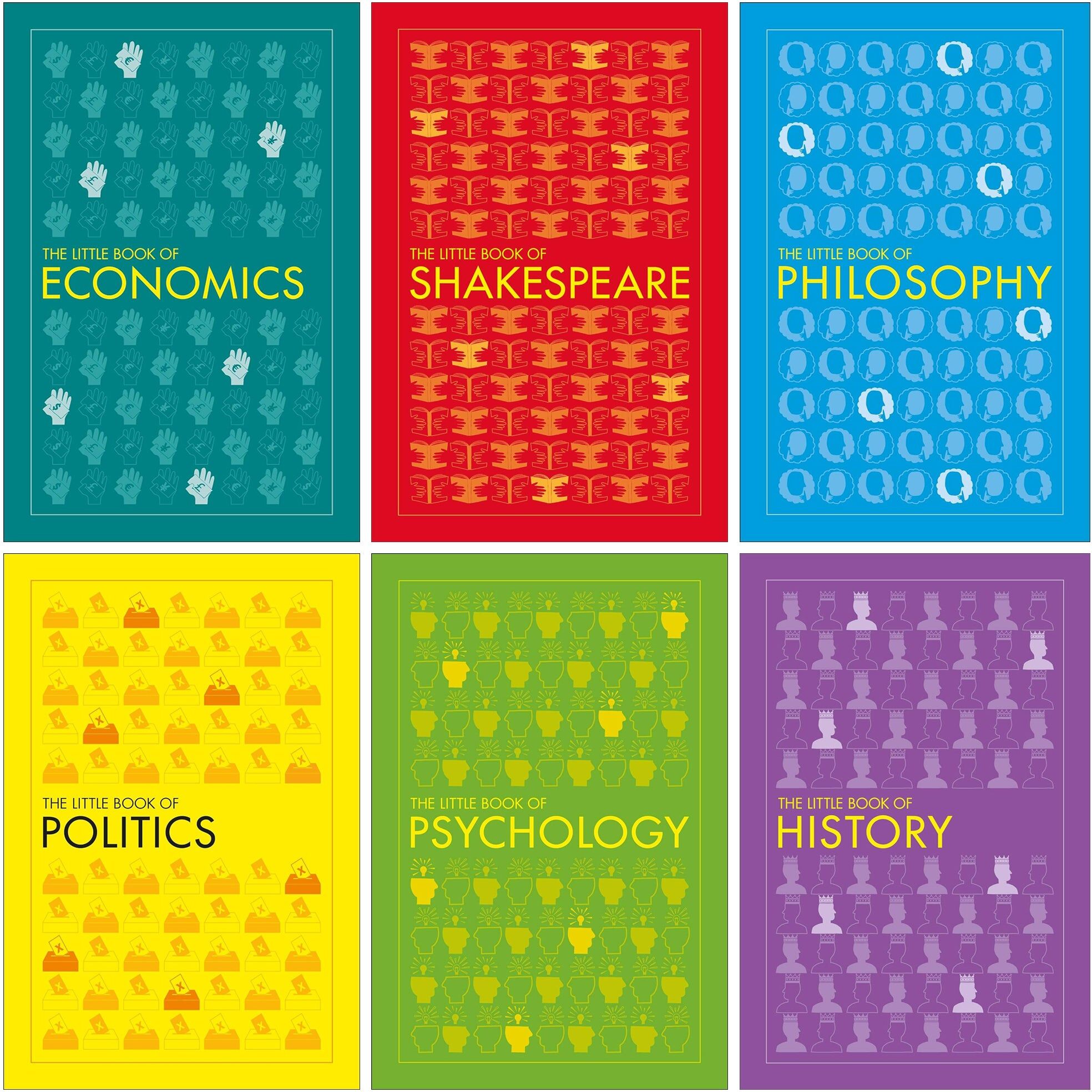
DK The Little Book Of Series 6 Books Collection Set (Economics, Politics, Shakespeare, Philosophy, Psychology, History)The Little Book Of Economics From the earliest forms of currency to the Industrial Revolution, and from the birth of the stock market to free-market capitalism and globalized trade, The Little Book of Economics brings economic theory and the work of key economists to life. Journeying through centuries of economic thought, it is the perfect pocket-sized guide to the subject. The Little Book Of Politics From the origins of democracy to Machiavelli's cunning statecraft, and from Rousseau's "social contract" to the American Declaration of Independence, Marxist communism, the dawn of populism, and identity politics, The Little Book of Politics examines the philosophies behind the different political beliefs and methods of government used around the world over the course of human history. The Little Book Of Shakespeare This bold book covers every work, from the comedies of Twelfth Night and As You Like It to the tragedies of Julius Caesar and Hamlet, plus lost plays and less well-known works of poetry. Easy-to-understand graphics and illustrations bring the themes, plots, characters and language of Shakespeare to life, including illustrated timelines which offer an at-a-glance summary of the action for each play. With detailed plot summaries and an in-depth analysis of the major characters and themes, this is a brilliant, innovative exploration of the entire canon of Shakespeare plays, sonnets and poetry. The Little Book Of Philosophy To the complete novice learning about philosophy can be daunting - The Little Book of Philosophy changes all that. With the use of powerful and easy-to-follow images, famous quotations, and explanations that are easily understandable, this book cuts through any misunderstandings to demystify the subject. The Little Book Of Psychology DK's The Little Book of Psychology answers all these questions and provides an insight into this fascinating field of science. Whether you are a student, an expert, a novice, or have a general interest in the human mind, this portable guide is the perfect choice to start exploring and understanding psychology. The Little Book Of History The Little Book of History charts world history from the dawn of civilisation to the modern culture we live in today. From the origins of homo-sapiens to the release of Nelson Mandela, from the French Revolution to the Space Race, The Little Book of History is a stunning exploration of the human timeline up to and including modern Islam, the world wide web, and the global financial crisis.14,99 £*Shipping: 2,99 £Secure redirect to the provider



-
How can Cubism be described briefly and succinctly?
Cubism is an art movement that emerged in the early 20th century, characterized by the representation of subjects from multiple viewpoints at the same time. It sought to depict the complexity of the modern world by breaking down forms into geometric shapes and reassembling them in an abstracted and fragmented manner. Cubist artists such as Pablo Picasso and Georges Braque pioneered this style, which had a significant impact on the development of modern art. **
-
How can one paint something in the Cubism style?
To paint something in the Cubism style, one can start by breaking down the subject into geometric shapes and angles. Use a limited color palette and focus on depicting multiple viewpoints of the subject simultaneously. Experiment with overlapping shapes and fragmented forms to create a sense of movement and depth. Embrace the abstract nature of Cubism and allow for a sense of distortion and dislocation in the composition. **
-
Can you address Cubism in a lecture on art?
Yes, Cubism is an important movement in the history of art that emerged in the early 20th century. In a lecture on art, it would be essential to address Cubism as it revolutionized the way artists depicted the world by breaking down forms into geometric shapes and presenting multiple viewpoints in a single composition. The movement, pioneered by artists like Pablo Picasso and Georges Braque, had a significant impact on the development of modern art and influenced subsequent movements such as Futurism and Constructivism. By discussing Cubism, students can gain a deeper understanding of how art can reflect and respond to the changing world around it. **
-
How did Georges Braque come to the style of Cubism?
Georges Braque came to the style of Cubism through his collaboration with Pablo Picasso in the early 20th century. The two artists worked closely together, exchanging ideas and techniques, which led to the development of Cubism. Braque was inspired by Cezanne's exploration of form and space, and he sought to break away from traditional perspective and representation in his work. Through his experimentation with fragmented forms, multiple viewpoints, and geometric shapes, Braque became a key figure in the development of Cubism. **


What is the difference between analytical and synthetic cubism in art?
Analytical cubism, developed by Pablo Picasso and Georges Braque, focused on breaking down objects and figures into geometric shapes and analyzing their forms from multiple viewpoints. This style used a monochromatic color palette and often incorporated textural elements such as collage. On the other hand, synthetic cubism, also pioneered by Picasso and Braque, involved the use of more vibrant colors and the incorporation of found objects and materials into the artwork. This style aimed to synthesize different elements into a cohesive composition, often blurring the lines between painting and sculpture. Synthetic cubist works often featured more recognizable imagery and were more playful and experimental in their approach. **
What is the relationship between society, economy, and politics?
The relationship between society, economy, and politics is complex and interdependent. Society shapes the economy and politics through its values, beliefs, and behaviors. The economy provides the resources and infrastructure that support society and political systems. Politics, in turn, influences the distribution of resources and the rules that govern economic activity, which in turn affects society. These three elements are interconnected and constantly influence and shape each other in a dynamic way. **
Top-Angebote
Products related to Cubism:
-
Bronzhaus Modern Art - Cubism Sculpture From Francsisci Signed Artwork Figurine FigureCondition: This sculpture is in perfect condition Bronze Dimensions with Marble Base: Height 11 inches X Width 5 inches Marble Dimensions: Diameter 5 inches Height without base:10 inches Weight:8 LBS Inventory:62UCN1485026 Original or Reproduction:…256,49 $*Shipping: 0,00 $Secure redirect to the provider
-
Bronzhaus Pico Bronze Bull Sculpture Figurine Abstract Cubism Figurine Figure Art 6 Inches X 10 InchesCondition: This sculpture is in perfect condition Bronze Dimensions Height 6 inches X Width 10 inches Weight:3 LBS Inventory:27XN09432772 Original or Reproduction: Reproduction Experience the timeless allure of Pablo Picos Modern Art with this…261,99 $*Shipping: 0,00 $Secure redirect to the provider
-
From the Archives: Black History and Culture Value PackThis brand-new series is rooted in a profound commitment to shedding light on some of the important -- and often lesser-known -- aspects of Black history. From the Archives features landmarks, events, people, and artistic endeavors that have played...26,99 $*Shipping: 0,00 $Secure redirect to the provider
-
How do I distinguish Early Cubism from other forms of Cubism?
Early Cubism can be distinguished from other forms of Cubism by its focus on geometric shapes and fragmentation of forms inspired by Cézanne's work. It is characterized by a more subdued color palette and a more representational approach compared to later Cubist styles. Early Cubist works often depict multiple viewpoints of the same subject within a single composition, creating a sense of movement and dynamism. Additionally, artists like Picasso and Braque in the early stages of Cubism were still experimenting with the style and developing the visual language that would later define the movement. **
-
What was the main concern of Cubism?
The main concern of Cubism was to depict objects from multiple viewpoints simultaneously, breaking away from traditional techniques of representing three-dimensional objects on a two-dimensional surface. Artists sought to capture the essence of the subject matter by fragmenting and reassembling it in an abstracted form. This approach aimed to challenge the viewer's perception and understanding of space, form, and reality. Cubism revolutionized the way art was created and experienced, influencing the development of modern art movements. **
-
How can Cubism be described briefly and succinctly?
Cubism is an art movement that emerged in the early 20th century, characterized by the representation of subjects from multiple viewpoints at the same time. It sought to depict the complexity of the modern world by breaking down forms into geometric shapes and reassembling them in an abstracted and fragmented manner. Cubist artists such as Pablo Picasso and Georges Braque pioneered this style, which had a significant impact on the development of modern art. **
-
How can one paint something in the Cubism style?
To paint something in the Cubism style, one can start by breaking down the subject into geometric shapes and angles. Use a limited color palette and focus on depicting multiple viewpoints of the subject simultaneously. Experiment with overlapping shapes and fragmented forms to create a sense of movement and depth. Embrace the abstract nature of Cubism and allow for a sense of distortion and dislocation in the composition. **
Similar search terms for Cubism
-
DK The Little Book Of Series 6 Books Collection Set (Economics, Politics, Shakespeare, Philosophy, Psychology, History)The Little Book Of Economics From the earliest forms of currency to the Industrial Revolution, and from the birth of the stock market to free-market capitalism and globalized trade, The Little Book of Economics brings economic theory and the work of key economists to life. Journeying through centuries of economic thought, it is the perfect pocket-sized guide to the subject. The Little Book Of Politics From the origins of democracy to Machiavelli's cunning statecraft, and from Rousseau's "social contract" to the American Declaration of Independence, Marxist communism, the dawn of populism, and identity politics, The Little Book of Politics examines the philosophies behind the different political beliefs and methods of government used around the world over the course of human history. The Little Book Of Shakespeare This bold book covers every work, from the comedies of Twelfth Night and As You Like It to the tragedies of Julius Caesar and Hamlet, plus lost plays and less well-known works of poetry. Easy-to-understand graphics and illustrations bring the themes, plots, characters and language of Shakespeare to life, including illustrated timelines which offer an at-a-glance summary of the action for each play. With detailed plot summaries and an in-depth analysis of the major characters and themes, this is a brilliant, innovative exploration of the entire canon of Shakespeare plays, sonnets and poetry. The Little Book Of Philosophy To the complete novice learning about philosophy can be daunting - The Little Book of Philosophy changes all that. With the use of powerful and easy-to-follow images, famous quotations, and explanations that are easily understandable, this book cuts through any misunderstandings to demystify the subject. The Little Book Of Psychology DK's The Little Book of Psychology answers all these questions and provides an insight into this fascinating field of science. Whether you are a student, an expert, a novice, or have a general interest in the human mind, this portable guide is the perfect choice to start exploring and understanding psychology. The Little Book Of History The Little Book of History charts world history from the dawn of civilisation to the modern culture we live in today. From the origins of homo-sapiens to the release of Nelson Mandela, from the French Revolution to the Space Race, The Little Book of History is a stunning exploration of the human timeline up to and including modern Islam, the world wide web, and the global financial crisis.14,99 £*Shipping: 2,99 £Secure redirect to the provider
-
Can you address Cubism in a lecture on art?
Yes, Cubism is an important movement in the history of art that emerged in the early 20th century. In a lecture on art, it would be essential to address Cubism as it revolutionized the way artists depicted the world by breaking down forms into geometric shapes and presenting multiple viewpoints in a single composition. The movement, pioneered by artists like Pablo Picasso and Georges Braque, had a significant impact on the development of modern art and influenced subsequent movements such as Futurism and Constructivism. By discussing Cubism, students can gain a deeper understanding of how art can reflect and respond to the changing world around it. **
-
How did Georges Braque come to the style of Cubism?
Georges Braque came to the style of Cubism through his collaboration with Pablo Picasso in the early 20th century. The two artists worked closely together, exchanging ideas and techniques, which led to the development of Cubism. Braque was inspired by Cezanne's exploration of form and space, and he sought to break away from traditional perspective and representation in his work. Through his experimentation with fragmented forms, multiple viewpoints, and geometric shapes, Braque became a key figure in the development of Cubism. **
-
What is the difference between analytical and synthetic cubism in art?
Analytical cubism, developed by Pablo Picasso and Georges Braque, focused on breaking down objects and figures into geometric shapes and analyzing their forms from multiple viewpoints. This style used a monochromatic color palette and often incorporated textural elements such as collage. On the other hand, synthetic cubism, also pioneered by Picasso and Braque, involved the use of more vibrant colors and the incorporation of found objects and materials into the artwork. This style aimed to synthesize different elements into a cohesive composition, often blurring the lines between painting and sculpture. Synthetic cubist works often featured more recognizable imagery and were more playful and experimental in their approach. **
-
What is the relationship between society, economy, and politics?
The relationship between society, economy, and politics is complex and interdependent. Society shapes the economy and politics through its values, beliefs, and behaviors. The economy provides the resources and infrastructure that support society and political systems. Politics, in turn, influences the distribution of resources and the rules that govern economic activity, which in turn affects society. These three elements are interconnected and constantly influence and shape each other in a dynamic way. **
* All prices are inclusive of VAT and, if applicable, plus shipping costs. The offer information is based on the details provided by the respective shop and is updated through automated processes. Real-time updates do not occur, so deviations can occur in individual cases. ** Note: Parts of this content were created by AI.