Buy greekreports.eu ?
We are moving the project
greekreports.eu .
Are you interested in purchasing the domain
greekreports.eu ?
domain@kv-gmbh.de · 0541-91531010
Buy greekreports.eu ?
What are irises?
Irises are flowering plants that belong to the Iridaceae family. They are known for their showy, colorful flowers that come in a wide range of hues, including purple, blue, white, and yellow. Irises are popular garden plants due to their beauty and variety, and they are often used in landscaping and floral arrangements. **
'Lower classifications of irises'
Lower classifications of irises refer to the different species, varieties, and cultivars within the Iris genus. These lower classifications help to categorize irises based on specific characteristics such as color, size, and growth habits. Some common lower classifications of irises include bearded irises, Siberian irises, and Japanese irises. Each of these classifications has its own unique features and requirements for care and cultivation. **

Similar search terms for Irises
Top-Angebote
Products related to Irises:
-
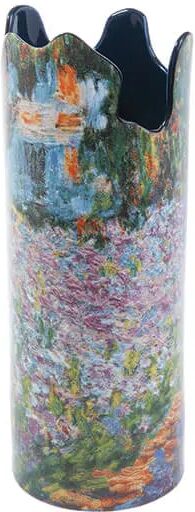
John Beswick Monet Irises in Garden VaseThe Monet Irises in Garden Vase brings a touch of artistic elegance to your living space, perfect for displaying fresh or dried flowers. Inspired by Monet’s iconic artwork, this vase makes a striking centrepiece for your home. Its graceful design enhances any room, adding colour and character whether used alone or filled with floral arrangements.55,00 £*Shipping: 0,00 £Secure redirect to the provider


-
When are irises planted?
Irises are typically planted in late summer or early fall, around August to October, depending on the specific variety and location. This timing allows the irises to establish their roots before the winter months and ensures they will bloom in the spring or early summer. **
-
Lower classifications of irises
Lower classifications of irises include the following categories: 1. Subgenus: This is a taxonomic rank below the genus level and is used to group species within a genus based on shared characteristics. 2. Section: This is a taxonomic rank below the subgenus level and is used to further classify species within a subgenus based on specific characteristics. 3. Series: This is a taxonomic rank below the section level and is used to group species within a section based on even more specific characteristics. 4. Subsection: This is a taxonomic rank below the series level and is used to further classify species within a series based on additional characteristics. Overall, these lower classifications help botanists and horticulturists organize and categorize the diverse range of iris species based on their unique traits and characteristics. **
-
Which irises are these?
These irises appear to be bearded irises, which are characterized by the fuzzy "beard" on the lower petal of the flower. Bearded irises are a popular garden plant and come in a wide range of colors, including purple, white, yellow, and blue. They are known for their striking appearance and are often used in landscaping and flower arrangements. **
-
When can you transplant irises?
Irises can be transplanted in late summer to early fall, after they have finished blooming. This allows the plants to establish themselves in their new location before the winter months. **

Are irises good for bees, and if so, which species?
Irises are good for bees as they provide a good source of nectar and pollen. Bearded irises, in particular, are known to attract bees with their vibrant colors and sweet fragrance. Other species of irises, such as Dutch irises and Siberian irises, also attract bees and other pollinators to the garden. Overall, planting a variety of iris species can help support bee populations by providing them with a rich source of food. **
What is the relationship between society, economy, and politics?
The relationship between society, economy, and politics is complex and interdependent. Society shapes the economy and politics through its values, beliefs, and behaviors. The economy provides the resources and infrastructure that support society and political systems. Politics, in turn, influences the distribution of resources and the rules that govern economic activity, which in turn affects society. These three elements are interconnected and constantly influence and shape each other in a dynamic way. **
Top-Angebote
Products related to Irises:
-
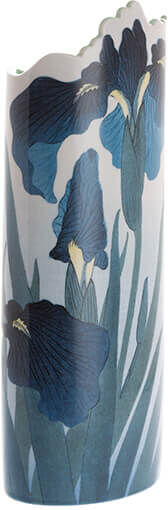
John Beswick Koson Irises VaseThe Koson Irises Vase brings a refined touch to any room, offering a stylish way to display your favourite flowers or enhance your décor. Perfect for adding character to your living space, this elegant vase complements both modern and classic interiors. Its versatile design makes it a lovely centrepiece for everyday use or special occasions.55,00 £*Shipping: 0,00 £Secure redirect to the provider
-
John Beswick Van Gogh Irises VaseThe Van Gogh Irises Vase brings a touch of artistic elegance to your home, inspired by the iconic Irises painting for a distinctive display piece. Showcasing a design influenced by Van Gogh’s celebrated artwork, this vase adds character and colour to any room. It’s perfect for displaying fresh flowers or as a striking decorative accent, helping you create a welcoming atmosphere with ease.55,00 £*Shipping: 0,00 £Secure redirect to the provider
-
John Beswick Monet Irises in Garden VaseThe Monet Irises in Garden Vase brings a touch of artistic elegance to your living space, perfect for displaying fresh or dried flowers. Inspired by Monet’s iconic artwork, this vase makes a striking centrepiece for your home. Its graceful design enhances any room, adding colour and character whether used alone or filled with floral arrangements.55,00 £*Shipping: 0,00 £Secure redirect to the provider
-
What are irises?
Irises are flowering plants that belong to the Iridaceae family. They are known for their showy, colorful flowers that come in a wide range of hues, including purple, blue, white, and yellow. Irises are popular garden plants due to their beauty and variety, and they are often used in landscaping and floral arrangements. **
-
'Lower classifications of irises'
Lower classifications of irises refer to the different species, varieties, and cultivars within the Iris genus. These lower classifications help to categorize irises based on specific characteristics such as color, size, and growth habits. Some common lower classifications of irises include bearded irises, Siberian irises, and Japanese irises. Each of these classifications has its own unique features and requirements for care and cultivation. **
-
When are irises planted?
Irises are typically planted in late summer or early fall, around August to October, depending on the specific variety and location. This timing allows the irises to establish their roots before the winter months and ensures they will bloom in the spring or early summer. **
-
Lower classifications of irises
Lower classifications of irises include the following categories: 1. Subgenus: This is a taxonomic rank below the genus level and is used to group species within a genus based on shared characteristics. 2. Section: This is a taxonomic rank below the subgenus level and is used to further classify species within a subgenus based on specific characteristics. 3. Series: This is a taxonomic rank below the section level and is used to group species within a section based on even more specific characteristics. 4. Subsection: This is a taxonomic rank below the series level and is used to further classify species within a series based on additional characteristics. Overall, these lower classifications help botanists and horticulturists organize and categorize the diverse range of iris species based on their unique traits and characteristics. **
Similar search terms for Irises
-
From the Archives: Black History and Culture Value PackThis brand-new series is rooted in a profound commitment to shedding light on some of the important -- and often lesser-known -- aspects of Black history. From the Archives features landmarks, events, people, and artistic endeavors that have played...26,99 $*Shipping: 0,00 $Secure redirect to the provider
-
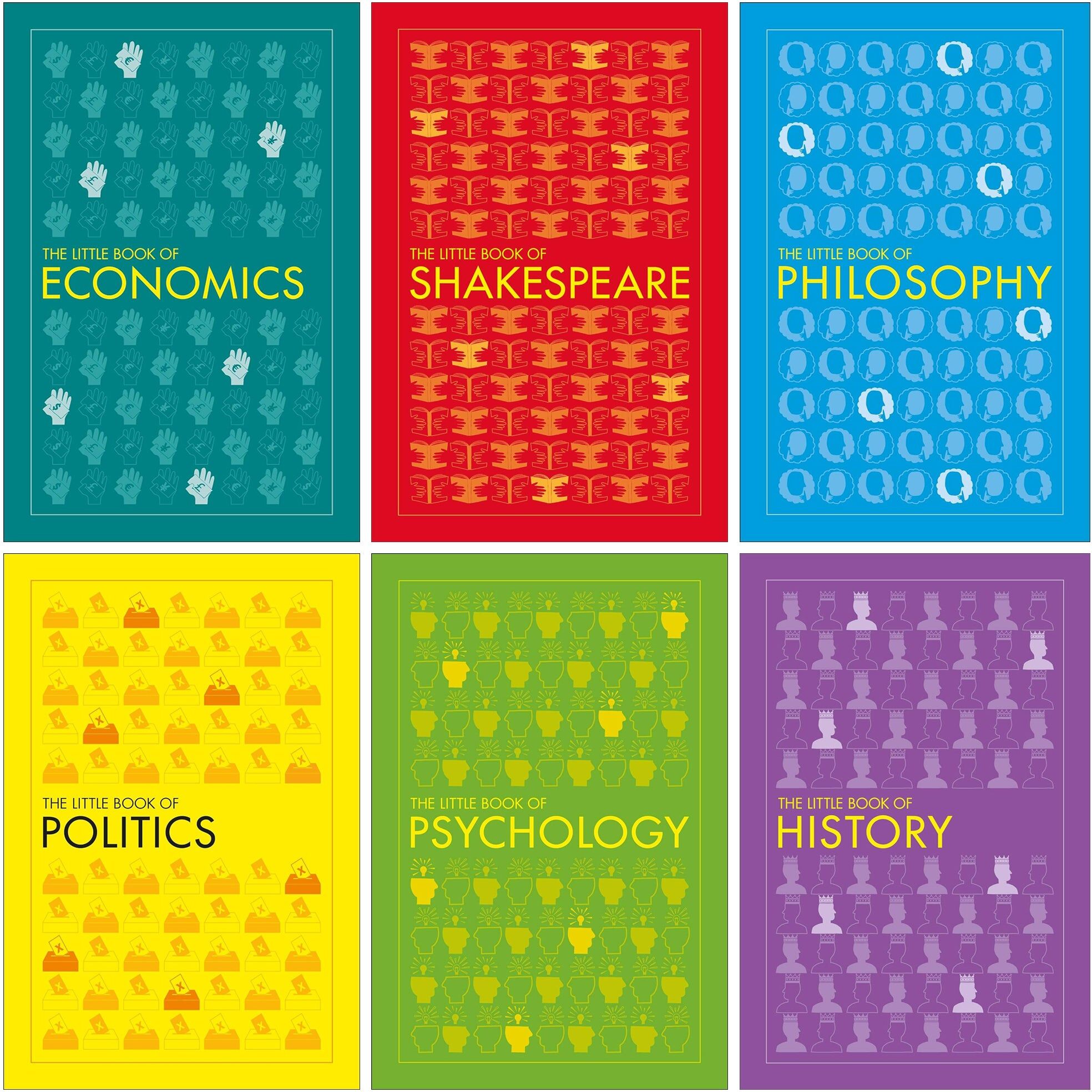
DK The Little Book Of Series 6 Books Collection Set (Economics, Politics, Shakespeare, Philosophy, Psychology, History)The Little Book Of Economics From the earliest forms of currency to the Industrial Revolution, and from the birth of the stock market to free-market capitalism and globalized trade, The Little Book of Economics brings economic theory and the work of key economists to life. Journeying through centuries of economic thought, it is the perfect pocket-sized guide to the subject. The Little Book Of Politics From the origins of democracy to Machiavelli's cunning statecraft, and from Rousseau's "social contract" to the American Declaration of Independence, Marxist communism, the dawn of populism, and identity politics, The Little Book of Politics examines the philosophies behind the different political beliefs and methods of government used around the world over the course of human history. The Little Book Of Shakespeare This bold book covers every work, from the comedies of Twelfth Night and As You Like It to the tragedies of Julius Caesar and Hamlet, plus lost plays and less well-known works of poetry. Easy-to-understand graphics and illustrations bring the themes, plots, characters and language of Shakespeare to life, including illustrated timelines which offer an at-a-glance summary of the action for each play. With detailed plot summaries and an in-depth analysis of the major characters and themes, this is a brilliant, innovative exploration of the entire canon of Shakespeare plays, sonnets and poetry. The Little Book Of Philosophy To the complete novice learning about philosophy can be daunting - The Little Book of Philosophy changes all that. With the use of powerful and easy-to-follow images, famous quotations, and explanations that are easily understandable, this book cuts through any misunderstandings to demystify the subject. The Little Book Of Psychology DK's The Little Book of Psychology answers all these questions and provides an insight into this fascinating field of science. Whether you are a student, an expert, a novice, or have a general interest in the human mind, this portable guide is the perfect choice to start exploring and understanding psychology. The Little Book Of History The Little Book of History charts world history from the dawn of civilisation to the modern culture we live in today. From the origins of homo-sapiens to the release of Nelson Mandela, from the French Revolution to the Space Race, The Little Book of History is a stunning exploration of the human timeline up to and including modern Islam, the world wide web, and the global financial crisis.14,99 £*Shipping: 2,99 £Secure redirect to the provider
-
Which irises are these?
These irises appear to be bearded irises, which are characterized by the fuzzy "beard" on the lower petal of the flower. Bearded irises are a popular garden plant and come in a wide range of colors, including purple, white, yellow, and blue. They are known for their striking appearance and are often used in landscaping and flower arrangements. **
-
When can you transplant irises?
Irises can be transplanted in late summer to early fall, after they have finished blooming. This allows the plants to establish themselves in their new location before the winter months. **
-
Are irises good for bees, and if so, which species?
Irises are good for bees as they provide a good source of nectar and pollen. Bearded irises, in particular, are known to attract bees with their vibrant colors and sweet fragrance. Other species of irises, such as Dutch irises and Siberian irises, also attract bees and other pollinators to the garden. Overall, planting a variety of iris species can help support bee populations by providing them with a rich source of food. **
-
What is the relationship between society, economy, and politics?
The relationship between society, economy, and politics is complex and interdependent. Society shapes the economy and politics through its values, beliefs, and behaviors. The economy provides the resources and infrastructure that support society and political systems. Politics, in turn, influences the distribution of resources and the rules that govern economic activity, which in turn affects society. These three elements are interconnected and constantly influence and shape each other in a dynamic way. **
* All prices are inclusive of VAT and, if applicable, plus shipping costs. The offer information is based on the details provided by the respective shop and is updated through automated processes. Real-time updates do not occur, so deviations can occur in individual cases. ** Note: Parts of this content were created by AI.