Buy greekreports.eu ?
We are moving the project
greekreports.eu .
Are you interested in purchasing the domain
greekreports.eu ?
domain@kv-gmbh.de · 0541-91531010
Buy greekreports.eu ?
How can one study neuroscience?
Studying neuroscience typically involves pursuing a formal education in the field. This can include obtaining a bachelor's degree in neuroscience or a related field, followed by a graduate degree such as a master's or Ph.D. in neuroscience. Additionally, gaining hands-on research experience through internships or working in a neuroscience lab can provide valuable practical skills. Keeping up-to-date with the latest research in neuroscience through scientific journals, conferences, and online resources is also important for staying informed in the field. **
Where can I study Neuroscience?
You can study Neuroscience at many universities around the world, including but not limited to Harvard University, Stanford University, University College London, and the University of California, Berkeley. These universities offer undergraduate and graduate programs in Neuroscience, allowing students to explore the complexities of the brain and nervous system through a variety of courses and research opportunities. Additionally, many institutions offer online courses and programs in Neuroscience for those who prefer a more flexible learning environment. **

Similar search terms for Neuroscience
Top-Angebote
Products related to Neuroscience:
-
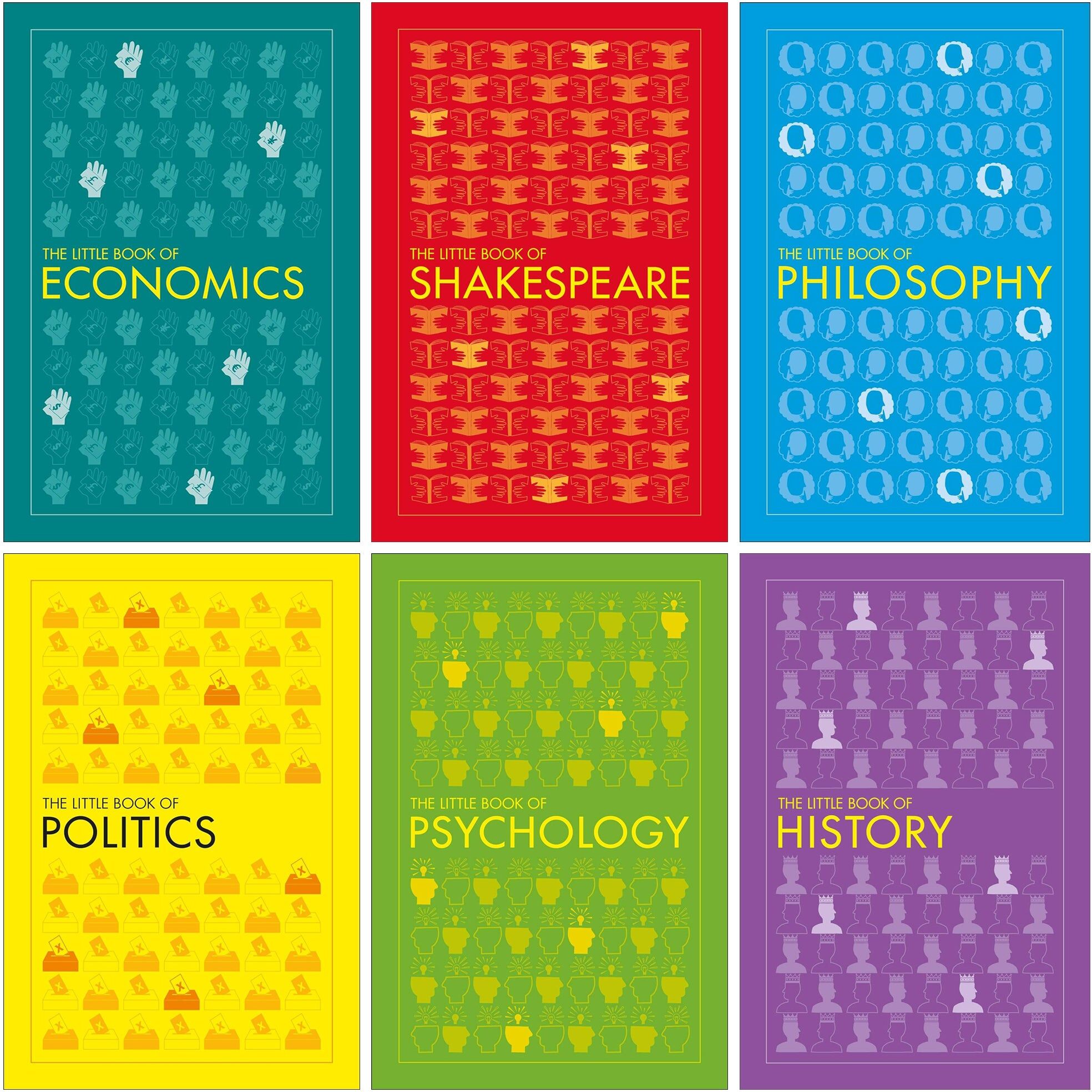
DK The Little Book Of Series 6 Books Collection Set (Economics, Politics, Shakespeare, Philosophy, Psychology, History)The Little Book Of Economics From the earliest forms of currency to the Industrial Revolution, and from the birth of the stock market to free-market capitalism and globalized trade, The Little Book of Economics brings economic theory and the work of key economists to life. Journeying through centuries of economic thought, it is the perfect pocket-sized guide to the subject. The Little Book Of Politics From the origins of democracy to Machiavelli's cunning statecraft, and from Rousseau's "social contract" to the American Declaration of Independence, Marxist communism, the dawn of populism, and identity politics, The Little Book of Politics examines the philosophies behind the different political beliefs and methods of government used around the world over the course of human history. The Little Book Of Shakespeare This bold book covers every work, from the comedies of Twelfth Night and As You Like It to the tragedies of Julius Caesar and Hamlet, plus lost plays and less well-known works of poetry. Easy-to-understand graphics and illustrations bring the themes, plots, characters and language of Shakespeare to life, including illustrated timelines which offer an at-a-glance summary of the action for each play. With detailed plot summaries and an in-depth analysis of the major characters and themes, this is a brilliant, innovative exploration of the entire canon of Shakespeare plays, sonnets and poetry. The Little Book Of Philosophy To the complete novice learning about philosophy can be daunting - The Little Book of Philosophy changes all that. With the use of powerful and easy-to-follow images, famous quotations, and explanations that are easily understandable, this book cuts through any misunderstandings to demystify the subject. The Little Book Of Psychology DK's The Little Book of Psychology answers all these questions and provides an insight into this fascinating field of science. Whether you are a student, an expert, a novice, or have a general interest in the human mind, this portable guide is the perfect choice to start exploring and understanding psychology. The Little Book Of History The Little Book of History charts world history from the dawn of civilisation to the modern culture we live in today. From the origins of homo-sapiens to the release of Nelson Mandela, from the French Revolution to the Space Race, The Little Book of History is a stunning exploration of the human timeline up to and including modern Islam, the world wide web, and the global financial crisis.14,99 £*Shipping: 2,99 £Secure redirect to the provider
-
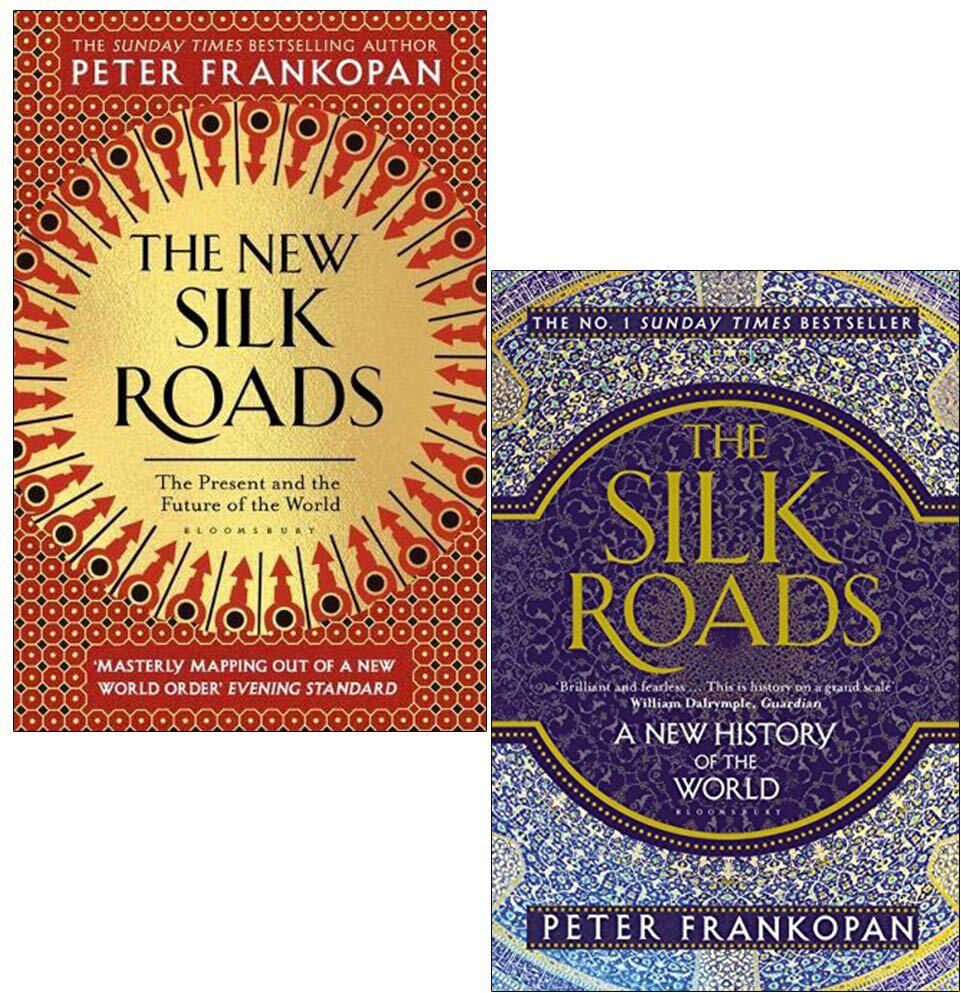
Bloomsbury Publishing The Silk Roads & The New Silk Roads 2 Book Set by Peter Frankopan – History & Global Politics CollectionThe New Silk Roads The Present and Future of the World The New Silk Roads takes a fresh look at the relationships being formed along the length and breadth of the ancient trade routes today. The world is changing dramatically and in an age of Brexit and Trump; the themes of isolation and fragmentation permeating the western world stand in sharp contrast to events along the Silk Roads; where ties are being strengthened and mutual cooperation established.This prescient contemporary history provides a timely reminder that we live in a world that is profoundly interconnected. The Silk Roads: A New History of the World For centuries; fame and fortune were to be found in the west in the New World of the Americas. Today; it is the east which calls out to those in search of riches and adventure. Sweeping right across Central Asia and deep into China and India; a region that once took centre stage is again rising to dominate global politics; commerce and culture.16,98 £*Shipping: 2,99 £Secure redirect to the provider
-
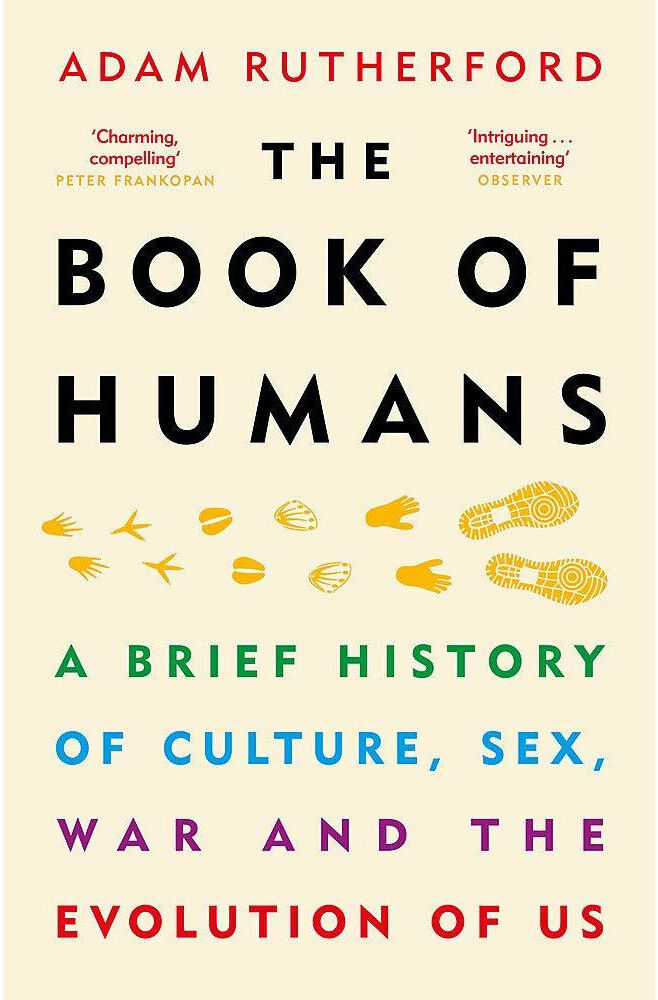
Orion The Book of Humans by Adam Rutherford – A Brief History of Culture, Sex, War & EvolutionWHAT MAKES US HUMAN? Waging war? Sex for pleasure? Creating art? Mastery of fire? In this thrilling tour of the animal kingdom, Adam Rutherford tells the story of how we became the unique creatures we are today. Illuminated by the latest scientific discoveries, THE BOOK OF HUMANS is a dazzling compendium of what unequivocally fixes us as animals, and reveals how we are extraordinary among them.4,98 £*Shipping: 1,99 £Secure redirect to the provider
-
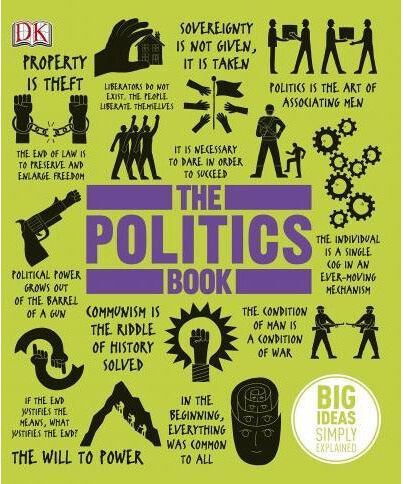
DK The Politics Book - Big Ideas Simply ExplainedThis invaluable; easy-to-understand guide to world politics and government offers an accessible introduction to more than 80 of the most important theories and big ideas of leaders and politicians throughout history. The Politics Book makes government and politics easy to understand by explaining the big ideas simply; using clear language supported by eye-catching graphics. The key events in political history are outlined from the origins of political thinking by Confucius and Aristotle to modern-day activists such as Martin Luther King and Nelson Mandela. Helpful mind maps break down their important concepts into bitesize chunks to make the subject accessible to students of politics and anyone with an interest in how government works. A handy reference section also provides a glossary of key terms and a directory of significant political figures. Filled with thought-provoking quotes from great political thinkers such as Nietzsche; Malcolm X; Karl Marx; and Mao Zedong; The Politics Book gives context to the world of government and power.12,99 £*Shipping: 2,99 £Secure redirect to the provider
-
What can be done with neuroscience?
Neuroscience can be used to better understand how the brain works, leading to advancements in treating neurological and psychiatric disorders. It can also help in developing new technologies and therapies to improve brain function and overall well-being. Additionally, neuroscience research can provide insights into how we learn, make decisions, and perceive the world around us, leading to potential applications in education, marketing, and other fields. Overall, neuroscience has the potential to revolutionize our understanding of the brain and human behavior, with far-reaching implications for various aspects of society. **
-
How do I start getting into neuroscience?
To start getting into neuroscience, you can begin by reading introductory books and articles on the subject to gain a foundational understanding. You can also take online courses or attend workshops to learn more about the basics of neuroscience. Additionally, reaching out to professors or researchers in the field for mentorship or volunteer opportunities can provide valuable hands-on experience. Finally, consider pursuing a degree in neuroscience or a related field to further your knowledge and expertise in the subject. **
-
What is the degree program for neuroscience?
A degree program in neuroscience typically falls under the category of a Bachelor of Science (B.S.) or a Bachelor of Arts (B.A.) in Neuroscience. This program combines elements of biology, psychology, chemistry, and other related fields to provide students with a comprehensive understanding of the brain and nervous system. Students in this program may study topics such as neuroanatomy, neurophysiology, cognitive neuroscience, and behavioral neuroscience, and may have the opportunity to conduct research in a laboratory setting. Graduates of a neuroscience program may pursue careers in research, healthcare, pharmaceuticals, or academia. **
-
What are the job prospects in cognitive neuroscience?
Job prospects in cognitive neuroscience are generally positive, with opportunities in academia, research institutions, government agencies, and private sector companies. Graduates with a background in cognitive neuroscience can pursue careers as research scientists, professors, data analysts, consultants, or even in healthcare settings. The field is constantly evolving, with advancements in technology and increased interest in understanding the brain, creating a demand for professionals with expertise in cognitive neuroscience. **

What is the difference between neurology and neuroscience?
Neurology is a branch of medicine that focuses on the diagnosis and treatment of disorders of the nervous system, including the brain, spinal cord, and nerves. Neurologists are medical doctors who specialize in treating conditions such as epilepsy, stroke, multiple sclerosis, and Parkinson's disease. On the other hand, neuroscience is a broader field that encompasses the scientific study of the nervous system, including its structure, function, development, and diseases. Neuroscientists may come from a variety of backgrounds, including biology, psychology, and physics, and they may study topics such as brain development, neural circuits, and the molecular basis of neurological disorders. In summary, neurology is a medical specialty focused on clinical care, while neuroscience is a multidisciplinary field focused on understanding the nervous system at a scientific level. **
How can I transition into neuroscience after studying pharmacy?
To transition into neuroscience after studying pharmacy, you can consider pursuing further education in neuroscience through a master's or Ph.D. program. Look for programs that offer a bridge between pharmacy and neuroscience, such as pharmacology or neuropharmacology. You can also seek out research opportunities or internships in neuroscience labs to gain practical experience in the field. Networking with professionals in neuroscience and attending conferences or workshops can also help you make connections and learn more about the field. **
Top-Angebote
Products related to Neuroscience:
-
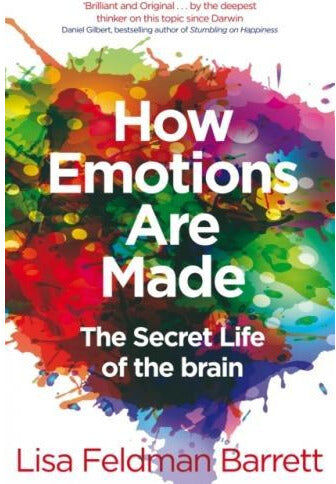
MACMILLAN How Emotions Are Made – The Secret Life of the Brain by Lisa Feldman Barrett Neuroscience & Psychology BestsellerDiscover a groundbreaking new understanding of the human mind with How Emotions Are Made: The Secret Life of the Brain by Lisa Feldman Barrett. Challenging long-held beliefs about how emotions work, neuroscientist Lisa Feldman Barrett presents a revolutionary theory explaining that emotions are not universal reactions, but are actively constructed by the brain. Drawing on cutting-edge research in psychology and neuroscience, the book reveals how the brain predicts, interprets, and shapes our emotional experiences. Written in an accessible and engaging style, this bestseller reshapes how we think about feelings, decision-making, mental health, and human behavior. It’s essential reading for anyone interested in psychology, neuroscience, self-understanding, and emotional intelligence. Why Readers Love This Book: Revolutionary insights into how emotions are created Based on modern neuroscience research Accessible explanations for general readers Practical implications for mental well-being Ideal for psychology and science enthusiasts A thought-provoking exploration of the brain, How Emotions Are Made changes how we understand what it means to feel.3,99 £*Shipping: 1,99 £Secure redirect to the provider
-
From the Archives: Black History and Culture Value PackThis brand-new series is rooted in a profound commitment to shedding light on some of the important -- and often lesser-known -- aspects of Black history. From the Archives features landmarks, events, people, and artistic endeavors that have played...26,99 $*Shipping: 0,00 $Secure redirect to the provider
-
DK The Little Book Of Series 6 Books Collection Set (Economics, Politics, Shakespeare, Philosophy, Psychology, History)The Little Book Of Economics From the earliest forms of currency to the Industrial Revolution, and from the birth of the stock market to free-market capitalism and globalized trade, The Little Book of Economics brings economic theory and the work of key economists to life. Journeying through centuries of economic thought, it is the perfect pocket-sized guide to the subject. The Little Book Of Politics From the origins of democracy to Machiavelli's cunning statecraft, and from Rousseau's "social contract" to the American Declaration of Independence, Marxist communism, the dawn of populism, and identity politics, The Little Book of Politics examines the philosophies behind the different political beliefs and methods of government used around the world over the course of human history. The Little Book Of Shakespeare This bold book covers every work, from the comedies of Twelfth Night and As You Like It to the tragedies of Julius Caesar and Hamlet, plus lost plays and less well-known works of poetry. Easy-to-understand graphics and illustrations bring the themes, plots, characters and language of Shakespeare to life, including illustrated timelines which offer an at-a-glance summary of the action for each play. With detailed plot summaries and an in-depth analysis of the major characters and themes, this is a brilliant, innovative exploration of the entire canon of Shakespeare plays, sonnets and poetry. The Little Book Of Philosophy To the complete novice learning about philosophy can be daunting - The Little Book of Philosophy changes all that. With the use of powerful and easy-to-follow images, famous quotations, and explanations that are easily understandable, this book cuts through any misunderstandings to demystify the subject. The Little Book Of Psychology DK's The Little Book of Psychology answers all these questions and provides an insight into this fascinating field of science. Whether you are a student, an expert, a novice, or have a general interest in the human mind, this portable guide is the perfect choice to start exploring and understanding psychology. The Little Book Of History The Little Book of History charts world history from the dawn of civilisation to the modern culture we live in today. From the origins of homo-sapiens to the release of Nelson Mandela, from the French Revolution to the Space Race, The Little Book of History is a stunning exploration of the human timeline up to and including modern Islam, the world wide web, and the global financial crisis.14,99 £*Shipping: 2,99 £Secure redirect to the provider
-
Bloomsbury Publishing The Silk Roads & The New Silk Roads 2 Book Set by Peter Frankopan – History & Global Politics CollectionThe New Silk Roads The Present and Future of the World The New Silk Roads takes a fresh look at the relationships being formed along the length and breadth of the ancient trade routes today. The world is changing dramatically and in an age of Brexit and Trump; the themes of isolation and fragmentation permeating the western world stand in sharp contrast to events along the Silk Roads; where ties are being strengthened and mutual cooperation established.This prescient contemporary history provides a timely reminder that we live in a world that is profoundly interconnected. The Silk Roads: A New History of the World For centuries; fame and fortune were to be found in the west in the New World of the Americas. Today; it is the east which calls out to those in search of riches and adventure. Sweeping right across Central Asia and deep into China and India; a region that once took centre stage is again rising to dominate global politics; commerce and culture.16,98 £*Shipping: 2,99 £Secure redirect to the provider
-
How can one study neuroscience?
Studying neuroscience typically involves pursuing a formal education in the field. This can include obtaining a bachelor's degree in neuroscience or a related field, followed by a graduate degree such as a master's or Ph.D. in neuroscience. Additionally, gaining hands-on research experience through internships or working in a neuroscience lab can provide valuable practical skills. Keeping up-to-date with the latest research in neuroscience through scientific journals, conferences, and online resources is also important for staying informed in the field. **
-
Where can I study Neuroscience?
You can study Neuroscience at many universities around the world, including but not limited to Harvard University, Stanford University, University College London, and the University of California, Berkeley. These universities offer undergraduate and graduate programs in Neuroscience, allowing students to explore the complexities of the brain and nervous system through a variety of courses and research opportunities. Additionally, many institutions offer online courses and programs in Neuroscience for those who prefer a more flexible learning environment. **
-
What can be done with neuroscience?
Neuroscience can be used to better understand how the brain works, leading to advancements in treating neurological and psychiatric disorders. It can also help in developing new technologies and therapies to improve brain function and overall well-being. Additionally, neuroscience research can provide insights into how we learn, make decisions, and perceive the world around us, leading to potential applications in education, marketing, and other fields. Overall, neuroscience has the potential to revolutionize our understanding of the brain and human behavior, with far-reaching implications for various aspects of society. **
-
How do I start getting into neuroscience?
To start getting into neuroscience, you can begin by reading introductory books and articles on the subject to gain a foundational understanding. You can also take online courses or attend workshops to learn more about the basics of neuroscience. Additionally, reaching out to professors or researchers in the field for mentorship or volunteer opportunities can provide valuable hands-on experience. Finally, consider pursuing a degree in neuroscience or a related field to further your knowledge and expertise in the subject. **
Similar search terms for Neuroscience
-
Orion The Book of Humans by Adam Rutherford – A Brief History of Culture, Sex, War & EvolutionWHAT MAKES US HUMAN? Waging war? Sex for pleasure? Creating art? Mastery of fire? In this thrilling tour of the animal kingdom, Adam Rutherford tells the story of how we became the unique creatures we are today. Illuminated by the latest scientific discoveries, THE BOOK OF HUMANS is a dazzling compendium of what unequivocally fixes us as animals, and reveals how we are extraordinary among them.4,98 £*Shipping: 1,99 £Secure redirect to the provider
-
DK The Politics Book - Big Ideas Simply ExplainedThis invaluable; easy-to-understand guide to world politics and government offers an accessible introduction to more than 80 of the most important theories and big ideas of leaders and politicians throughout history. The Politics Book makes government and politics easy to understand by explaining the big ideas simply; using clear language supported by eye-catching graphics. The key events in political history are outlined from the origins of political thinking by Confucius and Aristotle to modern-day activists such as Martin Luther King and Nelson Mandela. Helpful mind maps break down their important concepts into bitesize chunks to make the subject accessible to students of politics and anyone with an interest in how government works. A handy reference section also provides a glossary of key terms and a directory of significant political figures. Filled with thought-provoking quotes from great political thinkers such as Nietzsche; Malcolm X; Karl Marx; and Mao Zedong; The Politics Book gives context to the world of government and power.12,99 £*Shipping: 2,99 £Secure redirect to the provider
-
Titan Assassins Creed - The Complete Visual History: The Definitive Visual HistoryThis stunning book explores the rich mythology of Assassins Creed®, featuring the art and history of the series from the first groundbreaking game through the graphic novels to the DLCs. Highlighting the lush and vibrant art that has become a hallmark of the series, this luxury coffee-table book brings the games famous historical locations and figures to life and explores the evolution of each iconic Assassin and Templar.15,99 £*Shipping: 2,99 £Secure redirect to the provider
-
The Little Book of Politics (DK Big Ideas Series)This politics book is the perfect pocket-sized introduction to politics ideas and political thought throughout history. From the origins of democracy to Machiavelli's cunning statecraft, and from Rousseau's "social contract" to the American Declaration of Independence, Marxist communism, the dawn of populism, and identity politics, The Little Book of Politics examines the philosophies behind the different political beliefs and methods of government used around the world over the course of human history. Packed with diagrams and flowcharts that explain complex concepts in a simple but exciting way, this introduction to politics offers you a combination of clear text and hard-working diagrams in a portable format that is perfect for reading on the go.5,99 £*Shipping: 2,99 £Secure redirect to the provider
-
What is the degree program for neuroscience?
A degree program in neuroscience typically falls under the category of a Bachelor of Science (B.S.) or a Bachelor of Arts (B.A.) in Neuroscience. This program combines elements of biology, psychology, chemistry, and other related fields to provide students with a comprehensive understanding of the brain and nervous system. Students in this program may study topics such as neuroanatomy, neurophysiology, cognitive neuroscience, and behavioral neuroscience, and may have the opportunity to conduct research in a laboratory setting. Graduates of a neuroscience program may pursue careers in research, healthcare, pharmaceuticals, or academia. **
-
What are the job prospects in cognitive neuroscience?
Job prospects in cognitive neuroscience are generally positive, with opportunities in academia, research institutions, government agencies, and private sector companies. Graduates with a background in cognitive neuroscience can pursue careers as research scientists, professors, data analysts, consultants, or even in healthcare settings. The field is constantly evolving, with advancements in technology and increased interest in understanding the brain, creating a demand for professionals with expertise in cognitive neuroscience. **
-
What is the difference between neurology and neuroscience?
Neurology is a branch of medicine that focuses on the diagnosis and treatment of disorders of the nervous system, including the brain, spinal cord, and nerves. Neurologists are medical doctors who specialize in treating conditions such as epilepsy, stroke, multiple sclerosis, and Parkinson's disease. On the other hand, neuroscience is a broader field that encompasses the scientific study of the nervous system, including its structure, function, development, and diseases. Neuroscientists may come from a variety of backgrounds, including biology, psychology, and physics, and they may study topics such as brain development, neural circuits, and the molecular basis of neurological disorders. In summary, neurology is a medical specialty focused on clinical care, while neuroscience is a multidisciplinary field focused on understanding the nervous system at a scientific level. **
-
How can I transition into neuroscience after studying pharmacy?
To transition into neuroscience after studying pharmacy, you can consider pursuing further education in neuroscience through a master's or Ph.D. program. Look for programs that offer a bridge between pharmacy and neuroscience, such as pharmacology or neuropharmacology. You can also seek out research opportunities or internships in neuroscience labs to gain practical experience in the field. Networking with professionals in neuroscience and attending conferences or workshops can also help you make connections and learn more about the field. **
* All prices are inclusive of VAT and, if applicable, plus shipping costs. The offer information is based on the details provided by the respective shop and is updated through automated processes. Real-time updates do not occur, so deviations can occur in individual cases. ** Note: Parts of this content were created by AI.