Buy greekreports.eu ?
We are moving the project
greekreports.eu .
Are you interested in purchasing the domain
greekreports.eu ?
domain@kv-gmbh.de · 0541-91531010
Buy greekreports.eu ?
What is the relationship between society, economy, and politics?
The relationship between society, economy, and politics is complex and interdependent. Society shapes the economy and politics through its values, beliefs, and behaviors. The economy provides the resources and infrastructure that support society and political systems. Politics, in turn, influences the distribution of resources and the rules that govern economic activity, which in turn affects society. These three elements are interconnected and constantly influence and shape each other in a dynamic way. **
What is a current topic about politics, economy, and society?
One current topic about politics, economy, and society is the global response to the COVID-19 pandemic. Governments around the world are implementing various policies to address the public health crisis, support their economies, and mitigate the social impact of the pandemic. This includes measures such as vaccine distribution, economic stimulus packages, and social welfare programs. The pandemic has also highlighted existing inequalities within societies and has sparked discussions about the need for more inclusive and sustainable economic and social systems. **
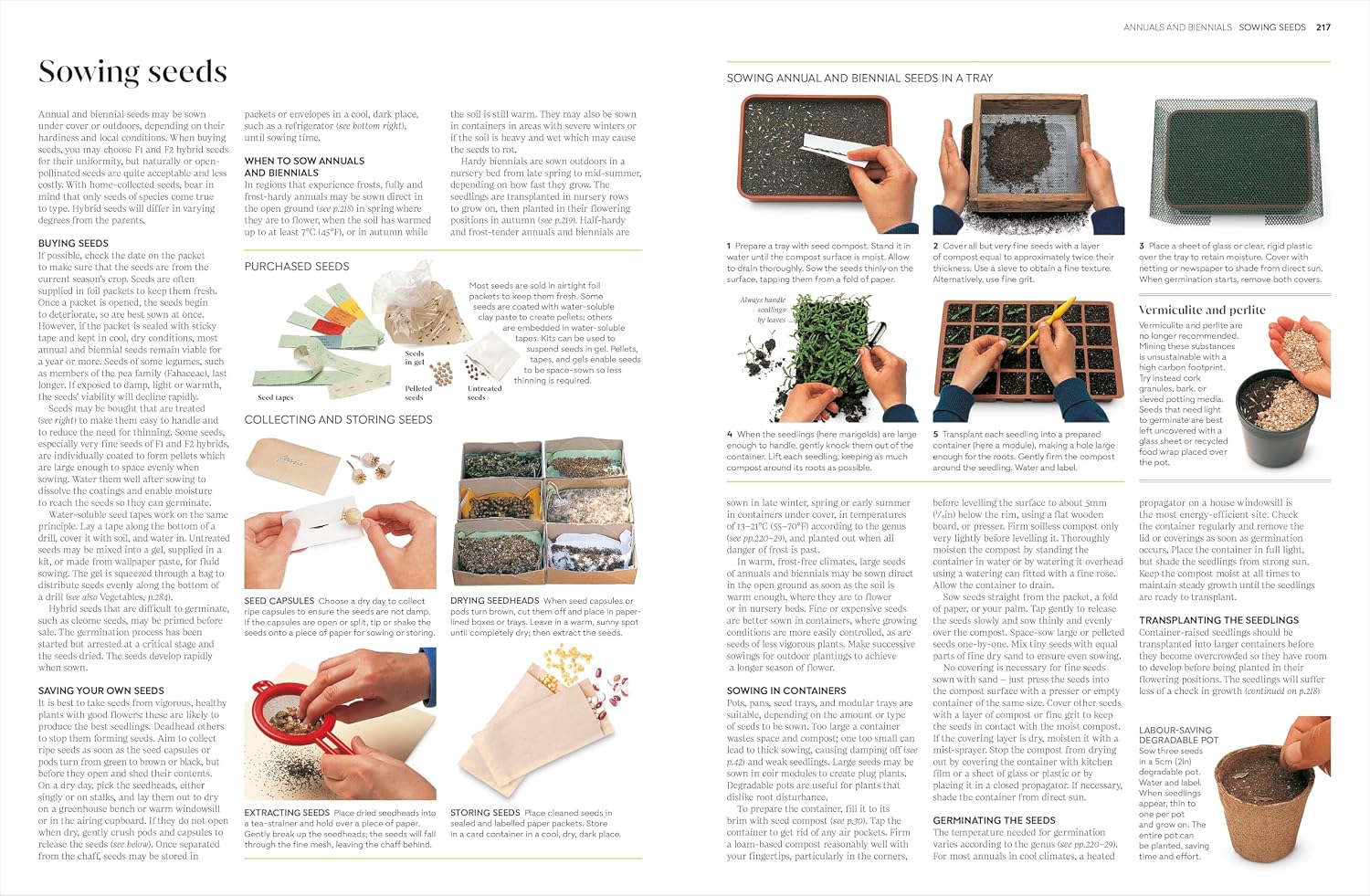

Similar search terms for Plants
Top-Angebote
Products related to Plants:
-
From the Archives: Black History and Culture Value PackThis brand-new series is rooted in a profound commitment to shedding light on some of the important -- and often lesser-known -- aspects of Black history. From the Archives features landmarks, events, people, and artistic endeavors that have played...26,99 $*Shipping: 0,00 $Secure redirect to the provider
-
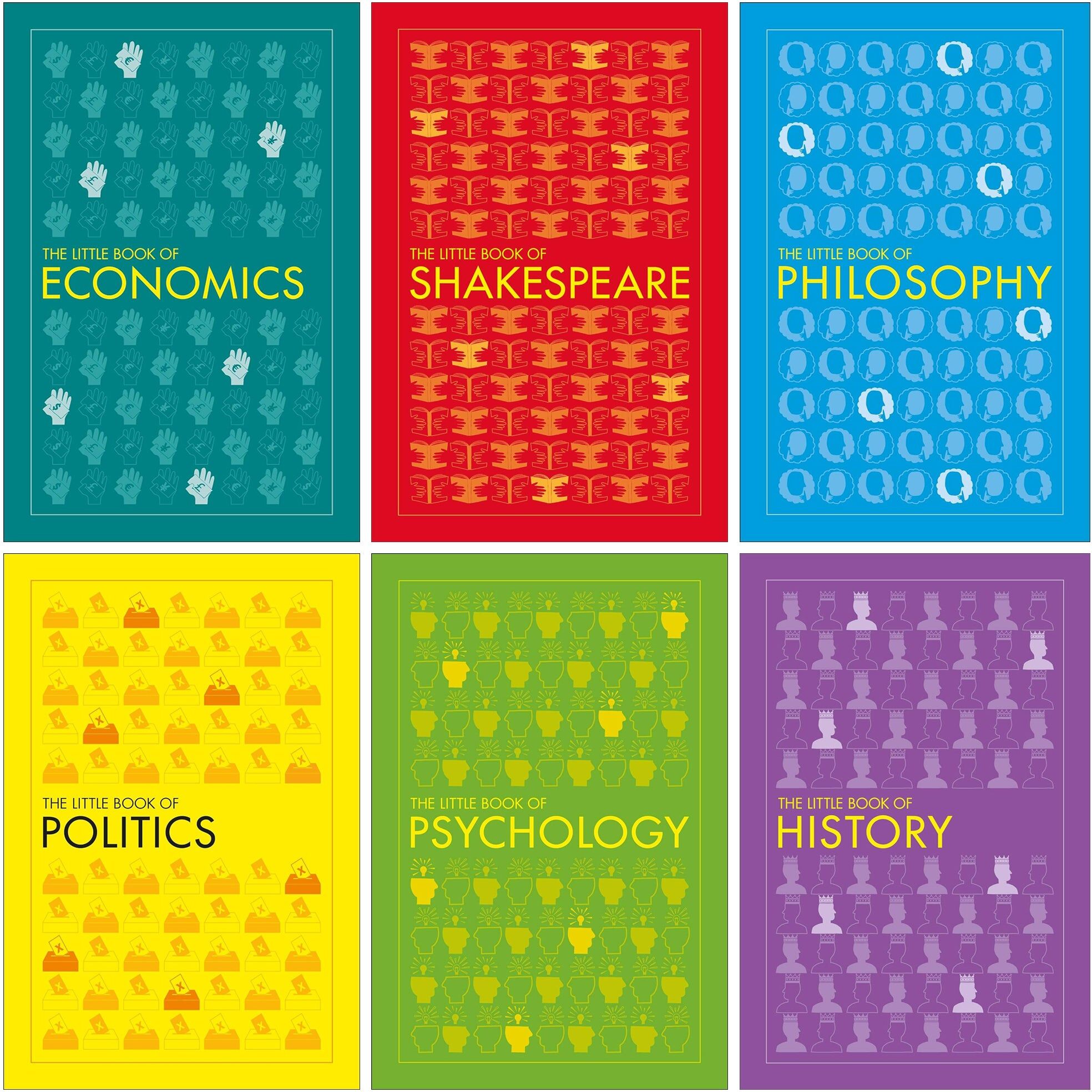
DK The Little Book Of Series 6 Books Collection Set (Economics, Politics, Shakespeare, Philosophy, Psychology, History)The Little Book Of Economics From the earliest forms of currency to the Industrial Revolution, and from the birth of the stock market to free-market capitalism and globalized trade, The Little Book of Economics brings economic theory and the work of key economists to life. Journeying through centuries of economic thought, it is the perfect pocket-sized guide to the subject. The Little Book Of Politics From the origins of democracy to Machiavelli's cunning statecraft, and from Rousseau's "social contract" to the American Declaration of Independence, Marxist communism, the dawn of populism, and identity politics, The Little Book of Politics examines the philosophies behind the different political beliefs and methods of government used around the world over the course of human history. The Little Book Of Shakespeare This bold book covers every work, from the comedies of Twelfth Night and As You Like It to the tragedies of Julius Caesar and Hamlet, plus lost plays and less well-known works of poetry. Easy-to-understand graphics and illustrations bring the themes, plots, characters and language of Shakespeare to life, including illustrated timelines which offer an at-a-glance summary of the action for each play. With detailed plot summaries and an in-depth analysis of the major characters and themes, this is a brilliant, innovative exploration of the entire canon of Shakespeare plays, sonnets and poetry. The Little Book Of Philosophy To the complete novice learning about philosophy can be daunting - The Little Book of Philosophy changes all that. With the use of powerful and easy-to-follow images, famous quotations, and explanations that are easily understandable, this book cuts through any misunderstandings to demystify the subject. The Little Book Of Psychology DK's The Little Book of Psychology answers all these questions and provides an insight into this fascinating field of science. Whether you are a student, an expert, a novice, or have a general interest in the human mind, this portable guide is the perfect choice to start exploring and understanding psychology. The Little Book Of History The Little Book of History charts world history from the dawn of civilisation to the modern culture we live in today. From the origins of homo-sapiens to the release of Nelson Mandela, from the French Revolution to the Space Race, The Little Book of History is a stunning exploration of the human timeline up to and including modern Islam, the world wide web, and the global financial crisis.14,99 £*Shipping: 2,99 £Secure redirect to the provider
-
DEVERA 2-Pack 5.2FT Artificial Areca Palm PlantsFeatures Space-enhancing foliage Creates vertical greenery for compact areas. Artificial green plant home decoration no watering living room decoration. Uv resistant and not easy to fade factory delivery.121,73 $*Shipping: 0,00 $Secure redirect to the provider



-
What is the history of thermal power plants?
Thermal power plants have been in existence since the late 19th century when the first coal-fired power plant was built in the United States. Over time, the technology has evolved to include different types of fuel sources such as natural gas, oil, and biomass. These power plants generate electricity by converting heat energy into electrical energy through the use of steam turbines. Despite advancements in renewable energy sources, thermal power plants continue to play a significant role in meeting the world's energy demands. **
-
What is the history of hydroelectric power plants?
Hydroelectric power plants have a long history dating back to ancient times when water wheels were used to grind grain and perform other tasks. The first modern hydroelectric power plant was built in 1882 in Appleton, Wisconsin, and was used to provide electricity to a paper mill. The development of hydroelectric power plants accelerated in the 20th century, with the construction of large-scale facilities such as the Hoover Dam in the United States and the Three Gorges Dam in China. Today, hydroelectric power is a significant source of renewable energy, providing electricity to millions of people around the world. **
-
What are cruciferous plants, mint family plants, and leguminous plants?
Cruciferous plants are a group of vegetables that belong to the Brassicaceae family, including broccoli, cauliflower, cabbage, and kale. Mint family plants, also known as Lamiaceae family, include herbs like mint, basil, rosemary, and oregano. Leguminous plants are members of the Fabaceae family and are known for their ability to fix nitrogen in the soil, including beans, peas, lentils, and peanuts. Each of these plant families includes a variety of edible plants that are commonly used in cooking and gardening. **
-
Which plants?
There are many different types of plants in the world, ranging from flowering plants like roses and tulips to trees like oak and pine. Other common plants include grasses, ferns, succulents, and vegetables like tomatoes and carrots. Each type of plant has unique characteristics and requirements for growth, making them diverse and interesting to study and cultivate. **


How can one convey German culture, society, and politics to people in another country?
One way to convey German culture, society, and politics to people in another country is through cultural exchange programs, where individuals from Germany can share their experiences and perspectives with people from other countries. Additionally, organizing events such as film screenings, art exhibitions, and traditional music performances can help showcase different aspects of German culture. Furthermore, providing educational materials and resources about German history, politics, and social issues can help people in other countries gain a better understanding of the country. Lastly, fostering open dialogue and discussions about German culture, society, and politics can help bridge the gap between different countries and promote mutual understanding. **
Why are many arctic plants long-day plants?
Many arctic plants are long-day plants because they have adapted to the long periods of daylight that occur during the Arctic summer. These plants have evolved to take advantage of the extended daylight hours for photosynthesis and growth. By being able to photosynthesize for longer periods of time, arctic plants can maximize their growth and reproductive potential during the short growing season in the Arctic. **
Top-Angebote
Products related to Plants:
-
DK RHS Propagating Plants - How To Create New Plants For FreeFill your garden with beautiful plants for next-to-nothing Do you long to grow your own plants from scratch? This complete guide from the experts at the RHS will teach you how to propagate every type of plant. If you're a thrifty gardener who wants more plants for free, then this book is perfect for you! From fruit trees and ornamental shrubs to exotic orchids and succulents, get all the info you need to propagate 1,500+ garden plants. Crammed with hundreds of step-by-step tutorials and clear advice, ranging from straightforward and simple to more in-depth and challenging. The rating system in the plant-by-plant A-Z dictionaries provides you with a quick reference to the relative ease or difficulty of each method of propagation. How long do your seedlings need to germinate? What makes a healthy stem cutting? How do you know what type of rootstock to use when grafting plants? Find out the answer to these questions and more in the most comprehensive guide to propagating plants ever published.9,99 £*Shipping: 2,99 £Secure redirect to the provider
-
From the Archives: Black History and Culture Value PackThis brand-new series is rooted in a profound commitment to shedding light on some of the important -- and often lesser-known -- aspects of Black history. From the Archives features landmarks, events, people, and artistic endeavors that have played...26,99 $*Shipping: 0,00 $Secure redirect to the provider
-
DK The Little Book Of Series 6 Books Collection Set (Economics, Politics, Shakespeare, Philosophy, Psychology, History)The Little Book Of Economics From the earliest forms of currency to the Industrial Revolution, and from the birth of the stock market to free-market capitalism and globalized trade, The Little Book of Economics brings economic theory and the work of key economists to life. Journeying through centuries of economic thought, it is the perfect pocket-sized guide to the subject. The Little Book Of Politics From the origins of democracy to Machiavelli's cunning statecraft, and from Rousseau's "social contract" to the American Declaration of Independence, Marxist communism, the dawn of populism, and identity politics, The Little Book of Politics examines the philosophies behind the different political beliefs and methods of government used around the world over the course of human history. The Little Book Of Shakespeare This bold book covers every work, from the comedies of Twelfth Night and As You Like It to the tragedies of Julius Caesar and Hamlet, plus lost plays and less well-known works of poetry. Easy-to-understand graphics and illustrations bring the themes, plots, characters and language of Shakespeare to life, including illustrated timelines which offer an at-a-glance summary of the action for each play. With detailed plot summaries and an in-depth analysis of the major characters and themes, this is a brilliant, innovative exploration of the entire canon of Shakespeare plays, sonnets and poetry. The Little Book Of Philosophy To the complete novice learning about philosophy can be daunting - The Little Book of Philosophy changes all that. With the use of powerful and easy-to-follow images, famous quotations, and explanations that are easily understandable, this book cuts through any misunderstandings to demystify the subject. The Little Book Of Psychology DK's The Little Book of Psychology answers all these questions and provides an insight into this fascinating field of science. Whether you are a student, an expert, a novice, or have a general interest in the human mind, this portable guide is the perfect choice to start exploring and understanding psychology. The Little Book Of History The Little Book of History charts world history from the dawn of civilisation to the modern culture we live in today. From the origins of homo-sapiens to the release of Nelson Mandela, from the French Revolution to the Space Race, The Little Book of History is a stunning exploration of the human timeline up to and including modern Islam, the world wide web, and the global financial crisis.14,99 £*Shipping: 2,99 £Secure redirect to the provider
-
What is the relationship between society, economy, and politics?
The relationship between society, economy, and politics is complex and interdependent. Society shapes the economy and politics through its values, beliefs, and behaviors. The economy provides the resources and infrastructure that support society and political systems. Politics, in turn, influences the distribution of resources and the rules that govern economic activity, which in turn affects society. These three elements are interconnected and constantly influence and shape each other in a dynamic way. **
-
What is a current topic about politics, economy, and society?
One current topic about politics, economy, and society is the global response to the COVID-19 pandemic. Governments around the world are implementing various policies to address the public health crisis, support their economies, and mitigate the social impact of the pandemic. This includes measures such as vaccine distribution, economic stimulus packages, and social welfare programs. The pandemic has also highlighted existing inequalities within societies and has sparked discussions about the need for more inclusive and sustainable economic and social systems. **
-
What is the history of thermal power plants?
Thermal power plants have been in existence since the late 19th century when the first coal-fired power plant was built in the United States. Over time, the technology has evolved to include different types of fuel sources such as natural gas, oil, and biomass. These power plants generate electricity by converting heat energy into electrical energy through the use of steam turbines. Despite advancements in renewable energy sources, thermal power plants continue to play a significant role in meeting the world's energy demands. **
-
What is the history of hydroelectric power plants?
Hydroelectric power plants have a long history dating back to ancient times when water wheels were used to grind grain and perform other tasks. The first modern hydroelectric power plant was built in 1882 in Appleton, Wisconsin, and was used to provide electricity to a paper mill. The development of hydroelectric power plants accelerated in the 20th century, with the construction of large-scale facilities such as the Hoover Dam in the United States and the Three Gorges Dam in China. Today, hydroelectric power is a significant source of renewable energy, providing electricity to millions of people around the world. **
Similar search terms for Plants
-
DEVERA 2-Pack 5.2FT Artificial Areca Palm PlantsFeatures Space-enhancing foliage Creates vertical greenery for compact areas. Artificial green plant home decoration no watering living room decoration. Uv resistant and not easy to fade factory delivery.121,73 $*Shipping: 0,00 $Secure redirect to the provider
-
Seasalt Wavecrest Short Sleeve Top Apothecary Plants ChalkThe Seasalt Wavecrest Short Sleeve Top Apothecary Plants Chalk flaunts short sleeves and a relaxed fit. A softly rounded collar and notch neckline give the organic cotton shirt a distinctive detail, and it is finished with a curved hem and small side slits for easy movement. In an original Seasalt print, inspired by Cornish landscape. Made from 100% Organic Cotton. Machine washable.25,00 £*Shipping: 3,50 £Secure redirect to the provider
-
What are cruciferous plants, mint family plants, and leguminous plants?
Cruciferous plants are a group of vegetables that belong to the Brassicaceae family, including broccoli, cauliflower, cabbage, and kale. Mint family plants, also known as Lamiaceae family, include herbs like mint, basil, rosemary, and oregano. Leguminous plants are members of the Fabaceae family and are known for their ability to fix nitrogen in the soil, including beans, peas, lentils, and peanuts. Each of these plant families includes a variety of edible plants that are commonly used in cooking and gardening. **
-
Which plants?
There are many different types of plants in the world, ranging from flowering plants like roses and tulips to trees like oak and pine. Other common plants include grasses, ferns, succulents, and vegetables like tomatoes and carrots. Each type of plant has unique characteristics and requirements for growth, making them diverse and interesting to study and cultivate. **
-
How can one convey German culture, society, and politics to people in another country?
One way to convey German culture, society, and politics to people in another country is through cultural exchange programs, where individuals from Germany can share their experiences and perspectives with people from other countries. Additionally, organizing events such as film screenings, art exhibitions, and traditional music performances can help showcase different aspects of German culture. Furthermore, providing educational materials and resources about German history, politics, and social issues can help people in other countries gain a better understanding of the country. Lastly, fostering open dialogue and discussions about German culture, society, and politics can help bridge the gap between different countries and promote mutual understanding. **
-
Why are many arctic plants long-day plants?
Many arctic plants are long-day plants because they have adapted to the long periods of daylight that occur during the Arctic summer. These plants have evolved to take advantage of the extended daylight hours for photosynthesis and growth. By being able to photosynthesize for longer periods of time, arctic plants can maximize their growth and reproductive potential during the short growing season in the Arctic. **
* All prices are inclusive of VAT and, if applicable, plus shipping costs. The offer information is based on the details provided by the respective shop and is updated through automated processes. Real-time updates do not occur, so deviations can occur in individual cases. ** Note: Parts of this content were created by AI.