Buy greekreports.eu ?
We are moving the project
greekreports.eu .
Are you interested in purchasing the domain
greekreports.eu ?
domain@kv-gmbh.de · 0541-91531010
Buy greekreports.eu ?
What is the relationship between society, economy, and politics?
The relationship between society, economy, and politics is complex and interdependent. Society shapes the economy and politics through its values, beliefs, and behaviors. The economy provides the resources and infrastructure that support society and political systems. Politics, in turn, influences the distribution of resources and the rules that govern economic activity, which in turn affects society. These three elements are interconnected and constantly influence and shape each other in a dynamic way. **
What is a current topic about politics, economy, and society?
One current topic about politics, economy, and society is the global response to the COVID-19 pandemic. Governments around the world are implementing various policies to address the public health crisis, support their economies, and mitigate the social impact of the pandemic. This includes measures such as vaccine distribution, economic stimulus packages, and social welfare programs. The pandemic has also highlighted existing inequalities within societies and has sparked discussions about the need for more inclusive and sustainable economic and social systems. **


Similar search terms for Power
Top-Angebote
Products related to Power:
-
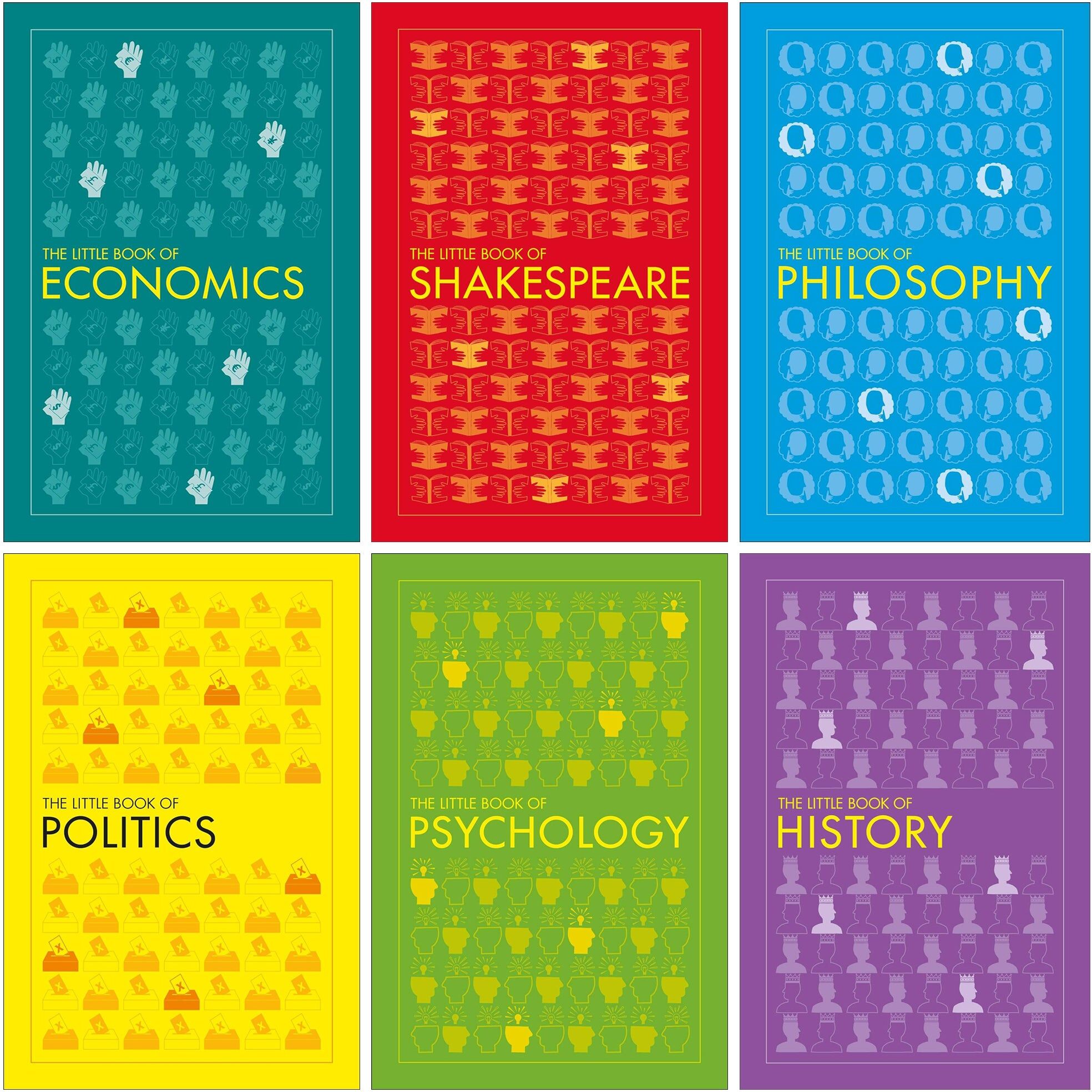
DK The Little Book Of Series 6 Books Collection Set (Economics, Politics, Shakespeare, Philosophy, Psychology, History)The Little Book Of Economics From the earliest forms of currency to the Industrial Revolution, and from the birth of the stock market to free-market capitalism and globalized trade, The Little Book of Economics brings economic theory and the work of key economists to life. Journeying through centuries of economic thought, it is the perfect pocket-sized guide to the subject. The Little Book Of Politics From the origins of democracy to Machiavelli's cunning statecraft, and from Rousseau's "social contract" to the American Declaration of Independence, Marxist communism, the dawn of populism, and identity politics, The Little Book of Politics examines the philosophies behind the different political beliefs and methods of government used around the world over the course of human history. The Little Book Of Shakespeare This bold book covers every work, from the comedies of Twelfth Night and As You Like It to the tragedies of Julius Caesar and Hamlet, plus lost plays and less well-known works of poetry. Easy-to-understand graphics and illustrations bring the themes, plots, characters and language of Shakespeare to life, including illustrated timelines which offer an at-a-glance summary of the action for each play. With detailed plot summaries and an in-depth analysis of the major characters and themes, this is a brilliant, innovative exploration of the entire canon of Shakespeare plays, sonnets and poetry. The Little Book Of Philosophy To the complete novice learning about philosophy can be daunting - The Little Book of Philosophy changes all that. With the use of powerful and easy-to-follow images, famous quotations, and explanations that are easily understandable, this book cuts through any misunderstandings to demystify the subject. The Little Book Of Psychology DK's The Little Book of Psychology answers all these questions and provides an insight into this fascinating field of science. Whether you are a student, an expert, a novice, or have a general interest in the human mind, this portable guide is the perfect choice to start exploring and understanding psychology. The Little Book Of History The Little Book of History charts world history from the dawn of civilisation to the modern culture we live in today. From the origins of homo-sapiens to the release of Nelson Mandela, from the French Revolution to the Space Race, The Little Book of History is a stunning exploration of the human timeline up to and including modern Islam, the world wide web, and the global financial crisis.14,99 £*Shipping: 2,99 £Secure redirect to the provider
-
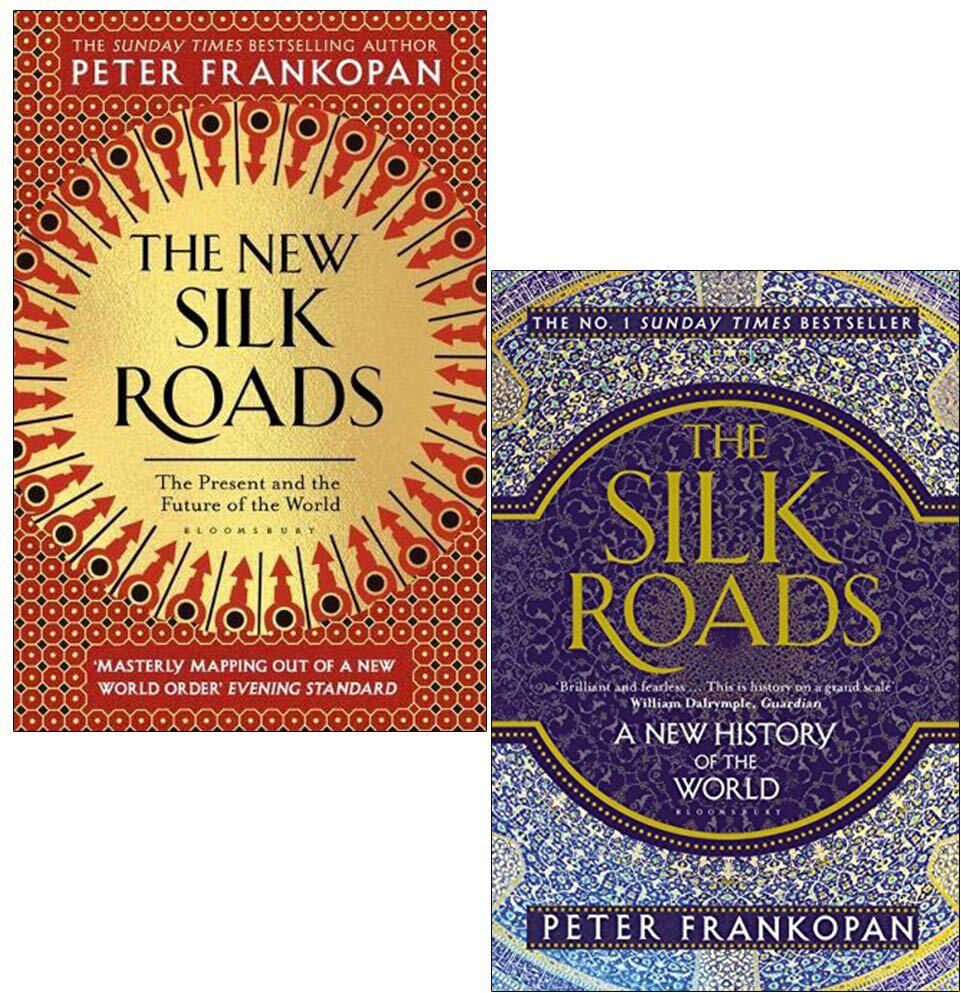
Bloomsbury Publishing The Silk Roads & The New Silk Roads 2 Book Set by Peter Frankopan – History & Global Politics CollectionThe New Silk Roads The Present and Future of the World The New Silk Roads takes a fresh look at the relationships being formed along the length and breadth of the ancient trade routes today. The world is changing dramatically and in an age of Brexit and Trump; the themes of isolation and fragmentation permeating the western world stand in sharp contrast to events along the Silk Roads; where ties are being strengthened and mutual cooperation established.This prescient contemporary history provides a timely reminder that we live in a world that is profoundly interconnected. The Silk Roads: A New History of the World For centuries; fame and fortune were to be found in the west in the New World of the Americas. Today; it is the east which calls out to those in search of riches and adventure. Sweeping right across Central Asia and deep into China and India; a region that once took centre stage is again rising to dominate global politics; commerce and culture.16,98 £*Shipping: 2,99 £Secure redirect to the provider


-
Why is politics against nuclear power?
Politics is often against nuclear power due to concerns about safety, environmental impact, and the long-term management of nuclear waste. The potential for accidents, such as the disasters at Chernobyl and Fukushima, has raised public fears and led to political opposition. Additionally, the issue of nuclear waste disposal and the risk of proliferation of nuclear weapons are also significant concerns for policymakers. As a result, many politicians and political parties have taken a stance against nuclear power and have instead focused on promoting renewable energy sources. **
-
How can one convey German culture, society, and politics to people in another country?
One way to convey German culture, society, and politics to people in another country is through cultural exchange programs, where individuals from Germany can share their experiences and perspectives with people from other countries. Additionally, organizing events such as film screenings, art exhibitions, and traditional music performances can help showcase different aspects of German culture. Furthermore, providing educational materials and resources about German history, politics, and social issues can help people in other countries gain a better understanding of the country. Lastly, fostering open dialogue and discussions about German culture, society, and politics can help bridge the gap between different countries and promote mutual understanding. **
-
Which power factors can support a society?
Several power factors can support a society, including strong leadership that promotes unity and progress, effective governance that ensures stability and rule of law, a robust economy that provides opportunities for growth and prosperity, a well-functioning education system that fosters knowledge and skills, and a cohesive social fabric that encourages cooperation and mutual support. These factors work together to create a stable and thriving society where individuals can thrive and contribute to the common good. **
-
What is the difference between civil society politics and pluralistic society politics?
Civil society politics refers to the participation of non-governmental organizations, community groups, and individuals in the political process to advocate for social change and public policy reform. This type of politics focuses on grassroots activism and often involves issues related to human rights, environmental protection, and social justice. On the other hand, pluralistic society politics refers to the political system in which power is dispersed among various competing interest groups, such as political parties, business organizations, and labor unions. In a pluralistic society, different groups with diverse interests and ideologies compete for influence and power within the political system. The key difference between civil society politics and pluralistic society politics lies in the actors involved and the nature of their engagement in the political process. Civil society politics emphasizes the role of non-state actors in advocating for social change, while pluralistic society politics focuses on the competition and negotiation among various interest groups within the political system. **


What is the history of thermal power plants?
Thermal power plants have been in existence since the late 19th century when the first coal-fired power plant was built in the United States. Over time, the technology has evolved to include different types of fuel sources such as natural gas, oil, and biomass. These power plants generate electricity by converting heat energy into electrical energy through the use of steam turbines. Despite advancements in renewable energy sources, thermal power plants continue to play a significant role in meeting the world's energy demands. **
What is the history of hydroelectric power plants?
Hydroelectric power plants have a long history dating back to ancient times when water wheels were used to grind grain and perform other tasks. The first modern hydroelectric power plant was built in 1882 in Appleton, Wisconsin, and was used to provide electricity to a paper mill. The development of hydroelectric power plants accelerated in the 20th century, with the construction of large-scale facilities such as the Hoover Dam in the United States and the Three Gorges Dam in China. Today, hydroelectric power is a significant source of renewable energy, providing electricity to millions of people around the world. **
Top-Angebote
Products related to Power:
-
Elliott & Thompson The Future of Geography: How Power and Politics in Space Will Change Our World By Tim MarshallSpy satellites orbiting the Moon. Space metals worth billions. Humans on Mars within our lifetimes. This isn’t science fiction. It’s astropolitics. We’re entering a new space race – and it could revolutionise life on Earth. Space: the new frontier, a wild and lawless place. It is already central to communication, economics, military strategy and international relations on Earth. Now, it is the latest arena for human exploration, exploitation – and, possibly, conquest. We’re heading up and out, and we’re taking our power struggles with us. China, the USA and Russia are leading the way. From physical territory and resources to satellites, weaponry and strategic choke points, geopolitics is as important in the skies above us as it is down below. If you’ve ever wondered if humans are going back to the Moon, who will benefit from exploration or what space wars might look like, the answers are here. With all the insight and wit that have made Tim Marshall the UK’s most popular writer on geopolitics, this gripping book shows how we got here and where we’re going, covering great-power rivalry; technology; commerce; combat in space; and what it means for all of us down here on Earth. This is essential reading on power, politics and the future of humanity.7,99 £*Shipping: 2,99 £Secure redirect to the provider
-
From the Archives: Black History and Culture Value PackThis brand-new series is rooted in a profound commitment to shedding light on some of the important -- and often lesser-known -- aspects of Black history. From the Archives features landmarks, events, people, and artistic endeavors that have played...26,99 $*Shipping: 0,00 $Secure redirect to the provider
-
DK The Little Book Of Series 6 Books Collection Set (Economics, Politics, Shakespeare, Philosophy, Psychology, History)The Little Book Of Economics From the earliest forms of currency to the Industrial Revolution, and from the birth of the stock market to free-market capitalism and globalized trade, The Little Book of Economics brings economic theory and the work of key economists to life. Journeying through centuries of economic thought, it is the perfect pocket-sized guide to the subject. The Little Book Of Politics From the origins of democracy to Machiavelli's cunning statecraft, and from Rousseau's "social contract" to the American Declaration of Independence, Marxist communism, the dawn of populism, and identity politics, The Little Book of Politics examines the philosophies behind the different political beliefs and methods of government used around the world over the course of human history. The Little Book Of Shakespeare This bold book covers every work, from the comedies of Twelfth Night and As You Like It to the tragedies of Julius Caesar and Hamlet, plus lost plays and less well-known works of poetry. Easy-to-understand graphics and illustrations bring the themes, plots, characters and language of Shakespeare to life, including illustrated timelines which offer an at-a-glance summary of the action for each play. With detailed plot summaries and an in-depth analysis of the major characters and themes, this is a brilliant, innovative exploration of the entire canon of Shakespeare plays, sonnets and poetry. The Little Book Of Philosophy To the complete novice learning about philosophy can be daunting - The Little Book of Philosophy changes all that. With the use of powerful and easy-to-follow images, famous quotations, and explanations that are easily understandable, this book cuts through any misunderstandings to demystify the subject. The Little Book Of Psychology DK's The Little Book of Psychology answers all these questions and provides an insight into this fascinating field of science. Whether you are a student, an expert, a novice, or have a general interest in the human mind, this portable guide is the perfect choice to start exploring and understanding psychology. The Little Book Of History The Little Book of History charts world history from the dawn of civilisation to the modern culture we live in today. From the origins of homo-sapiens to the release of Nelson Mandela, from the French Revolution to the Space Race, The Little Book of History is a stunning exploration of the human timeline up to and including modern Islam, the world wide web, and the global financial crisis.14,99 £*Shipping: 2,99 £Secure redirect to the provider
-
What is the relationship between society, economy, and politics?
The relationship between society, economy, and politics is complex and interdependent. Society shapes the economy and politics through its values, beliefs, and behaviors. The economy provides the resources and infrastructure that support society and political systems. Politics, in turn, influences the distribution of resources and the rules that govern economic activity, which in turn affects society. These three elements are interconnected and constantly influence and shape each other in a dynamic way. **
-
What is a current topic about politics, economy, and society?
One current topic about politics, economy, and society is the global response to the COVID-19 pandemic. Governments around the world are implementing various policies to address the public health crisis, support their economies, and mitigate the social impact of the pandemic. This includes measures such as vaccine distribution, economic stimulus packages, and social welfare programs. The pandemic has also highlighted existing inequalities within societies and has sparked discussions about the need for more inclusive and sustainable economic and social systems. **
-
Why is politics against nuclear power?
Politics is often against nuclear power due to concerns about safety, environmental impact, and the long-term management of nuclear waste. The potential for accidents, such as the disasters at Chernobyl and Fukushima, has raised public fears and led to political opposition. Additionally, the issue of nuclear waste disposal and the risk of proliferation of nuclear weapons are also significant concerns for policymakers. As a result, many politicians and political parties have taken a stance against nuclear power and have instead focused on promoting renewable energy sources. **
-
How can one convey German culture, society, and politics to people in another country?
One way to convey German culture, society, and politics to people in another country is through cultural exchange programs, where individuals from Germany can share their experiences and perspectives with people from other countries. Additionally, organizing events such as film screenings, art exhibitions, and traditional music performances can help showcase different aspects of German culture. Furthermore, providing educational materials and resources about German history, politics, and social issues can help people in other countries gain a better understanding of the country. Lastly, fostering open dialogue and discussions about German culture, society, and politics can help bridge the gap between different countries and promote mutual understanding. **
Similar search terms for Power
-
Bloomsbury Publishing The Silk Roads & The New Silk Roads 2 Book Set by Peter Frankopan – History & Global Politics CollectionThe New Silk Roads The Present and Future of the World The New Silk Roads takes a fresh look at the relationships being formed along the length and breadth of the ancient trade routes today. The world is changing dramatically and in an age of Brexit and Trump; the themes of isolation and fragmentation permeating the western world stand in sharp contrast to events along the Silk Roads; where ties are being strengthened and mutual cooperation established.This prescient contemporary history provides a timely reminder that we live in a world that is profoundly interconnected. The Silk Roads: A New History of the World For centuries; fame and fortune were to be found in the west in the New World of the Americas. Today; it is the east which calls out to those in search of riches and adventure. Sweeping right across Central Asia and deep into China and India; a region that once took centre stage is again rising to dominate global politics; commerce and culture.16,98 £*Shipping: 2,99 £Secure redirect to the provider
-
Hama High Power Power Pack, 20000 mAh, 65 W - GreyBattery flat and no power socket available? The "High Power" power pack refuels laptops, tablets, smartphones, smartwatches and Bluetooth loudspeakers anywhere and at any time with new 65-Watt power. "High Power" - the grand slam among power packs.High-speed powerPower in best time: a full 65 Watts of maximum output power quickly revs up even powerful devices such as laptops, gaming notebooks and high-performance smartphonesPower Pack - Energy to goPowerbank provides a power boost on the go; the mobile charger can charge three devices simultaneously via two USB-C sockets and one USB-A socketExtremely fast chargingFast charging technologies Power Delivery and Qualcomm® Quick Charge™ 3.0 guarantee extra-quick charging, faster than with conventional chargersBattery-sparing chargingOptimised charging protects the battery and therefore prolongs the lifespan of mobile phones, tablets, etc.Safe chargingCertified cells for maximum quality and safe charging: overcharge, overvoltage, overheating and short circuit protectionPowerbank with displayDetailed data at a glance: the high-quality TFT colour display of the Fast Charge powerbank shows the percentage of energy left in the mobile charger and the output power of the individual sockets and the total power in WattsUniversal useMaximum compatibility for all mobile phones, tablets and other devices, e.g. smart watch, digital camera or Bluetooth headphonesLow power modeFor the little ones: the power pack also recognises less power-hungry devices and supplies them with new energy by switching to low power modeHigh performance, compact formatLots inside, very little fuss: the mobile charger fits in any pocket and hand luggagePlastic-freePackaging with a clear conscience: our packaging is 100% plastic-free, enabling us to reduce plastic waste and increase its recyclabilityFSCFSC-certified: the paper and cardboard used in our packaging comes from sustainable forest management - enabling us to take a resources-sparing approach to the raw material of wood57,99 £*Shipping: 0,00 £Secure redirect to the provider
-
Which power factors can support a society?
Several power factors can support a society, including strong leadership that promotes unity and progress, effective governance that ensures stability and rule of law, a robust economy that provides opportunities for growth and prosperity, a well-functioning education system that fosters knowledge and skills, and a cohesive social fabric that encourages cooperation and mutual support. These factors work together to create a stable and thriving society where individuals can thrive and contribute to the common good. **
-
What is the difference between civil society politics and pluralistic society politics?
Civil society politics refers to the participation of non-governmental organizations, community groups, and individuals in the political process to advocate for social change and public policy reform. This type of politics focuses on grassroots activism and often involves issues related to human rights, environmental protection, and social justice. On the other hand, pluralistic society politics refers to the political system in which power is dispersed among various competing interest groups, such as political parties, business organizations, and labor unions. In a pluralistic society, different groups with diverse interests and ideologies compete for influence and power within the political system. The key difference between civil society politics and pluralistic society politics lies in the actors involved and the nature of their engagement in the political process. Civil society politics emphasizes the role of non-state actors in advocating for social change, while pluralistic society politics focuses on the competition and negotiation among various interest groups within the political system. **
-
What is the history of thermal power plants?
Thermal power plants have been in existence since the late 19th century when the first coal-fired power plant was built in the United States. Over time, the technology has evolved to include different types of fuel sources such as natural gas, oil, and biomass. These power plants generate electricity by converting heat energy into electrical energy through the use of steam turbines. Despite advancements in renewable energy sources, thermal power plants continue to play a significant role in meeting the world's energy demands. **
-
What is the history of hydroelectric power plants?
Hydroelectric power plants have a long history dating back to ancient times when water wheels were used to grind grain and perform other tasks. The first modern hydroelectric power plant was built in 1882 in Appleton, Wisconsin, and was used to provide electricity to a paper mill. The development of hydroelectric power plants accelerated in the 20th century, with the construction of large-scale facilities such as the Hoover Dam in the United States and the Three Gorges Dam in China. Today, hydroelectric power is a significant source of renewable energy, providing electricity to millions of people around the world. **
* All prices are inclusive of VAT and, if applicable, plus shipping costs. The offer information is based on the details provided by the respective shop and is updated through automated processes. Real-time updates do not occur, so deviations can occur in individual cases. ** Note: Parts of this content were created by AI.