Buy greekreports.eu ?
We are moving the project
greekreports.eu .
Are you interested in purchasing the domain
greekreports.eu ?
domain@kv-gmbh.de · 0541-91531010
Buy greekreports.eu ?
Why was the Aztec Empire a high culture?
The Aztec Empire was considered a high culture because of its advanced social, political, and religious organization. The Aztecs had a complex social structure with a well-defined class system, a sophisticated system of governance, and a highly developed religious belief system. They also had impressive architectural and engineering achievements, such as the construction of the city of Tenochtitlan on a series of artificial islands in Lake Texcoco. Additionally, the Aztecs made significant advancements in agriculture, art, and writing, demonstrating a high level of cultural and intellectual achievement. **
Which empire is better: the Ottoman Empire or the Byzantine Empire?
It is difficult to determine which empire is better as both the Ottoman and Byzantine Empires had their own unique strengths and weaknesses. The Byzantine Empire was known for its rich cultural and intellectual heritage, while the Ottoman Empire was known for its military prowess and expansive territorial control. The Byzantine Empire had a long and influential history, while the Ottoman Empire had a significant impact on the development of the Islamic world. Ultimately, the "better" empire depends on the criteria used to evaluate them, and both empires made important contributions to world history. **


Similar search terms for Empire
Top-Angebote
Products related to Empire:
-
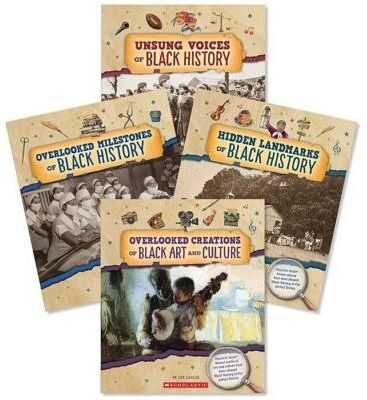
From the Archives: Black History and Culture Value PackThis brand-new series is rooted in a profound commitment to shedding light on some of the important -- and often lesser-known -- aspects of Black history. From the Archives features landmarks, events, people, and artistic endeavors that have played...26,99 $*Shipping: 0,00 $Secure redirect to the provider
-
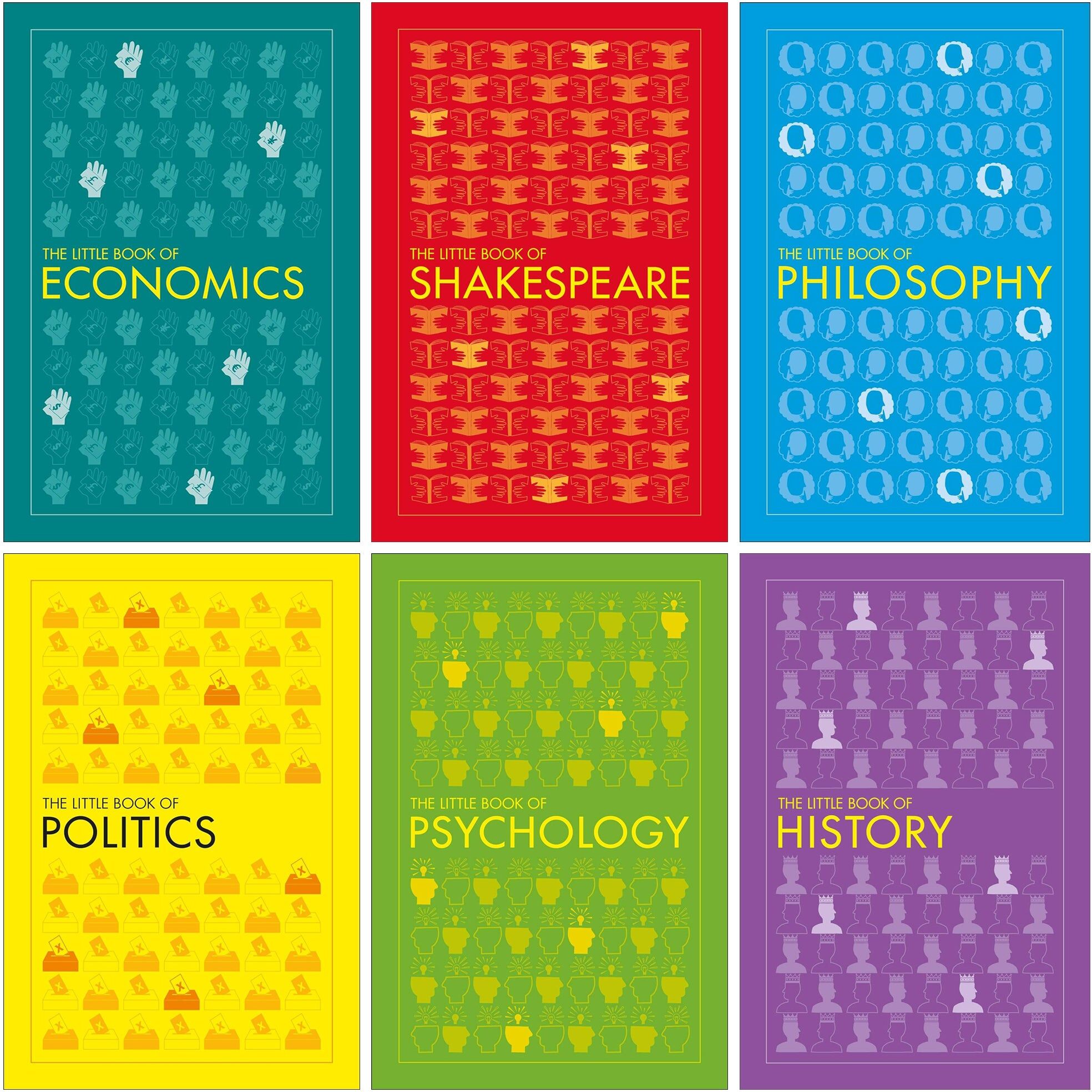
DK The Little Book Of Series 6 Books Collection Set (Economics, Politics, Shakespeare, Philosophy, Psychology, History)The Little Book Of Economics From the earliest forms of currency to the Industrial Revolution, and from the birth of the stock market to free-market capitalism and globalized trade, The Little Book of Economics brings economic theory and the work of key economists to life. Journeying through centuries of economic thought, it is the perfect pocket-sized guide to the subject. The Little Book Of Politics From the origins of democracy to Machiavelli's cunning statecraft, and from Rousseau's "social contract" to the American Declaration of Independence, Marxist communism, the dawn of populism, and identity politics, The Little Book of Politics examines the philosophies behind the different political beliefs and methods of government used around the world over the course of human history. The Little Book Of Shakespeare This bold book covers every work, from the comedies of Twelfth Night and As You Like It to the tragedies of Julius Caesar and Hamlet, plus lost plays and less well-known works of poetry. Easy-to-understand graphics and illustrations bring the themes, plots, characters and language of Shakespeare to life, including illustrated timelines which offer an at-a-glance summary of the action for each play. With detailed plot summaries and an in-depth analysis of the major characters and themes, this is a brilliant, innovative exploration of the entire canon of Shakespeare plays, sonnets and poetry. The Little Book Of Philosophy To the complete novice learning about philosophy can be daunting - The Little Book of Philosophy changes all that. With the use of powerful and easy-to-follow images, famous quotations, and explanations that are easily understandable, this book cuts through any misunderstandings to demystify the subject. The Little Book Of Psychology DK's The Little Book of Psychology answers all these questions and provides an insight into this fascinating field of science. Whether you are a student, an expert, a novice, or have a general interest in the human mind, this portable guide is the perfect choice to start exploring and understanding psychology. The Little Book Of History The Little Book of History charts world history from the dawn of civilisation to the modern culture we live in today. From the origins of homo-sapiens to the release of Nelson Mandela, from the French Revolution to the Space Race, The Little Book of History is a stunning exploration of the human timeline up to and including modern Islam, the world wide web, and the global financial crisis.14,99 £*Shipping: 2,99 £Secure redirect to the provider
-
KitchenAid Indoor Grilling Set – Empire RedThis KitchenAid 3pc Indoor Grilling Set includes a fish slice, an indoor turner and tongs, all crafted in durable stainless steel. Use them to stir, turn and lift foods with ease. The ergonomic, well-balanced handles are designed for comfort and smooth operation. Each piece is dishwasher-safe for easy cleanup. KitchenAid43,31 £*Shipping: 4,99 £Secure redirect to the provider
-
Nourison Persian Empire PE22 Area RugDiscover a collection of area rugs inspired by the signature designs of the finest traditional Persian carpets. Beautifully intricate patterns that reflect the creativity and originality of the world's most admired rug-making tradition.571,99 $*Shipping: 0,00 $Secure redirect to the provider


-
Which empire was larger, the Alexander Empire or the Roman Empire?
The Roman Empire was larger than the Alexander Empire. At its peak, the Roman Empire covered approximately 5 million square kilometers, while the Alexander Empire, also known as the Macedonian Empire, covered around 2.2 million square kilometers. The Roman Empire's vast territory included parts of Europe, Africa, and Asia, making it one of the largest empires in history. **
-
To what extent was the Empire a class society?
The Empire was a class society to a significant extent. There was a clear hierarchy with the Emperor at the top, followed by the aristocracy, wealthy landowners, and then the common people. Social status and wealth played a crucial role in determining one's place in society, with opportunities and privileges being more accessible to those in higher classes. The class divide was reinforced by laws, customs, and traditions that favored the elite and limited the upward mobility of the lower classes. **
-
Why was the Tsarist Empire an empire?
The Tsarist Empire was an empire because it was a vast and multi-ethnic state ruled by an autocratic monarch, the Tsar. It encompassed a diverse range of territories, including present-day Russia, Ukraine, Belarus, and parts of Poland, Finland, and the Caucasus. The Tsarist Empire also had a strong centralized government and a powerful military, which allowed it to expand and maintain control over its vast territories. Additionally, the empire had a hierarchical social structure with the Tsar at the top, and it exerted influence and control over the various ethnic and cultural groups within its borders. **
-
Why was the Russian Empire an empire?
The Russian Empire was an empire because it was a vast multi-ethnic state that encompassed a large territory spanning Eastern Europe and Northern Asia. It was ruled by an autocratic monarch, the Tsar, who held absolute power over the government and its subjects. The empire expanded through conquest and colonization, incorporating various ethnic groups and territories into its domain. Additionally, the Russian Empire had a strong military, a centralized administration, and a hierarchical social structure that reinforced its imperial control over its diverse population. **


How was the history lesson about the Ottoman Empire?
The history lesson about the Ottoman Empire was fascinating and informative. We learned about the empire's rise to power, its expansion, and its impact on the region. The lesson also covered key events, such as the conquest of Constantinople and the empire's decline. Overall, it provided a comprehensive understanding of the Ottoman Empire's significance in history. **
What is the relationship between society, economy, and politics?
The relationship between society, economy, and politics is complex and interdependent. Society shapes the economy and politics through its values, beliefs, and behaviors. The economy provides the resources and infrastructure that support society and political systems. Politics, in turn, influences the distribution of resources and the rules that govern economic activity, which in turn affects society. These three elements are interconnected and constantly influence and shape each other in a dynamic way. **
Top-Angebote
Products related to Empire:
-
From the Archives: Black History and Culture Value PackThis brand-new series is rooted in a profound commitment to shedding light on some of the important -- and often lesser-known -- aspects of Black history. From the Archives features landmarks, events, people, and artistic endeavors that have played...26,99 $*Shipping: 0,00 $Secure redirect to the provider
-
DK The Little Book Of Series 6 Books Collection Set (Economics, Politics, Shakespeare, Philosophy, Psychology, History)The Little Book Of Economics From the earliest forms of currency to the Industrial Revolution, and from the birth of the stock market to free-market capitalism and globalized trade, The Little Book of Economics brings economic theory and the work of key economists to life. Journeying through centuries of economic thought, it is the perfect pocket-sized guide to the subject. The Little Book Of Politics From the origins of democracy to Machiavelli's cunning statecraft, and from Rousseau's "social contract" to the American Declaration of Independence, Marxist communism, the dawn of populism, and identity politics, The Little Book of Politics examines the philosophies behind the different political beliefs and methods of government used around the world over the course of human history. The Little Book Of Shakespeare This bold book covers every work, from the comedies of Twelfth Night and As You Like It to the tragedies of Julius Caesar and Hamlet, plus lost plays and less well-known works of poetry. Easy-to-understand graphics and illustrations bring the themes, plots, characters and language of Shakespeare to life, including illustrated timelines which offer an at-a-glance summary of the action for each play. With detailed plot summaries and an in-depth analysis of the major characters and themes, this is a brilliant, innovative exploration of the entire canon of Shakespeare plays, sonnets and poetry. The Little Book Of Philosophy To the complete novice learning about philosophy can be daunting - The Little Book of Philosophy changes all that. With the use of powerful and easy-to-follow images, famous quotations, and explanations that are easily understandable, this book cuts through any misunderstandings to demystify the subject. The Little Book Of Psychology DK's The Little Book of Psychology answers all these questions and provides an insight into this fascinating field of science. Whether you are a student, an expert, a novice, or have a general interest in the human mind, this portable guide is the perfect choice to start exploring and understanding psychology. The Little Book Of History The Little Book of History charts world history from the dawn of civilisation to the modern culture we live in today. From the origins of homo-sapiens to the release of Nelson Mandela, from the French Revolution to the Space Race, The Little Book of History is a stunning exploration of the human timeline up to and including modern Islam, the world wide web, and the global financial crisis.14,99 £*Shipping: 2,99 £Secure redirect to the provider
-
Why was the Aztec Empire a high culture?
The Aztec Empire was considered a high culture because of its advanced social, political, and religious organization. The Aztecs had a complex social structure with a well-defined class system, a sophisticated system of governance, and a highly developed religious belief system. They also had impressive architectural and engineering achievements, such as the construction of the city of Tenochtitlan on a series of artificial islands in Lake Texcoco. Additionally, the Aztecs made significant advancements in agriculture, art, and writing, demonstrating a high level of cultural and intellectual achievement. **
-
Which empire is better: the Ottoman Empire or the Byzantine Empire?
It is difficult to determine which empire is better as both the Ottoman and Byzantine Empires had their own unique strengths and weaknesses. The Byzantine Empire was known for its rich cultural and intellectual heritage, while the Ottoman Empire was known for its military prowess and expansive territorial control. The Byzantine Empire had a long and influential history, while the Ottoman Empire had a significant impact on the development of the Islamic world. Ultimately, the "better" empire depends on the criteria used to evaluate them, and both empires made important contributions to world history. **
-
Which empire was larger, the Alexander Empire or the Roman Empire?
The Roman Empire was larger than the Alexander Empire. At its peak, the Roman Empire covered approximately 5 million square kilometers, while the Alexander Empire, also known as the Macedonian Empire, covered around 2.2 million square kilometers. The Roman Empire's vast territory included parts of Europe, Africa, and Asia, making it one of the largest empires in history. **
-
To what extent was the Empire a class society?
The Empire was a class society to a significant extent. There was a clear hierarchy with the Emperor at the top, followed by the aristocracy, wealthy landowners, and then the common people. Social status and wealth played a crucial role in determining one's place in society, with opportunities and privileges being more accessible to those in higher classes. The class divide was reinforced by laws, customs, and traditions that favored the elite and limited the upward mobility of the lower classes. **
Similar search terms for Empire
-
KitchenAid Indoor Grilling Set – Empire RedThis KitchenAid 3pc Indoor Grilling Set includes a fish slice, an indoor turner and tongs, all crafted in durable stainless steel. Use them to stir, turn and lift foods with ease. The ergonomic, well-balanced handles are designed for comfort and smooth operation. Each piece is dishwasher-safe for easy cleanup. KitchenAid43,31 £*Shipping: 4,99 £Secure redirect to the provider
-
Nourison Persian Empire PE22 Area RugDiscover a collection of area rugs inspired by the signature designs of the finest traditional Persian carpets. Beautifully intricate patterns that reflect the creativity and originality of the world's most admired rug-making tradition.571,99 $*Shipping: 0,00 $Secure redirect to the provider
-
Skip's Garage Empire State Cornhole Boards"Includes: (2) ACA Regulation Size Cornhole Boards. Boards are Regulation 24"" Wide x 48"" Long. Easily Add All-Weather Resin Filled Bags. Add Accessories like a Carrying Case or Board Lights. Lights are Multicolor and Easily Change Colors & Modes."351,99 $*Shipping: 0,00 $Secure redirect to the provider
-
Skip's Garage Empire State Cornhole Boards"Includes: (2) ACA Regulation Size Cornhole Boards. Boards are Regulation 24"" Wide x 48"" Long. Easily Add All-Weather Resin Filled Bags. Add Accessories like a Carrying Case or Board Lights. Lights are Multicolor and Easily Change Colors & Modes."397,99 $*Shipping: 0,00 $Secure redirect to the provider
-
Why was the Tsarist Empire an empire?
The Tsarist Empire was an empire because it was a vast and multi-ethnic state ruled by an autocratic monarch, the Tsar. It encompassed a diverse range of territories, including present-day Russia, Ukraine, Belarus, and parts of Poland, Finland, and the Caucasus. The Tsarist Empire also had a strong centralized government and a powerful military, which allowed it to expand and maintain control over its vast territories. Additionally, the empire had a hierarchical social structure with the Tsar at the top, and it exerted influence and control over the various ethnic and cultural groups within its borders. **
-
Why was the Russian Empire an empire?
The Russian Empire was an empire because it was a vast multi-ethnic state that encompassed a large territory spanning Eastern Europe and Northern Asia. It was ruled by an autocratic monarch, the Tsar, who held absolute power over the government and its subjects. The empire expanded through conquest and colonization, incorporating various ethnic groups and territories into its domain. Additionally, the Russian Empire had a strong military, a centralized administration, and a hierarchical social structure that reinforced its imperial control over its diverse population. **
-
How was the history lesson about the Ottoman Empire?
The history lesson about the Ottoman Empire was fascinating and informative. We learned about the empire's rise to power, its expansion, and its impact on the region. The lesson also covered key events, such as the conquest of Constantinople and the empire's decline. Overall, it provided a comprehensive understanding of the Ottoman Empire's significance in history. **
-
What is the relationship between society, economy, and politics?
The relationship between society, economy, and politics is complex and interdependent. Society shapes the economy and politics through its values, beliefs, and behaviors. The economy provides the resources and infrastructure that support society and political systems. Politics, in turn, influences the distribution of resources and the rules that govern economic activity, which in turn affects society. These three elements are interconnected and constantly influence and shape each other in a dynamic way. **
* All prices are inclusive of VAT and, if applicable, plus shipping costs. The offer information is based on the details provided by the respective shop and is updated through automated processes. Real-time updates do not occur, so deviations can occur in individual cases. ** Note: Parts of this content were created by AI.