Buy greekreports.eu ?
We are moving the project
greekreports.eu .
Are you interested in purchasing the domain
greekreports.eu ?
domain@kv-gmbh.de · 0541-91531010
Buy greekreports.eu ?
What did the Roman living culture look like in a Roman house?
The Roman living culture in a Roman house was centered around the concept of the domus, which was the main living space for the family. The domus typically included a central courtyard, known as the atrium, which was the focal point of the house and where the family would gather. The living spaces were often decorated with colorful frescoes, mosaics, and statues, reflecting the wealth and status of the inhabitants. The Romans also valued privacy and had separate living quarters for men and women, with the women's quarters typically located in the back of the house. Additionally, Roman houses often had a strong connection to the outdoors, with gardens, fountains, and outdoor dining areas, reflecting the importance of nature and leisure in Roman culture. **
What role did sports play in Roman society?
Sports played a significant role in Roman society as they were not only a form of entertainment but also a way to showcase strength, skill, and valor. Gladiatorial games, chariot races, and athletic competitions were popular forms of entertainment that brought people together and fostered a sense of community. Additionally, sports were used by the Roman rulers as a means to distract and pacify the masses, often serving as a tool for social control and political manipulation. Overall, sports in Roman society served as a reflection of the values, ideals, and power dynamics of the time. **
Similar search terms for Roman
Top-Angebote
Products related to Roman:
-
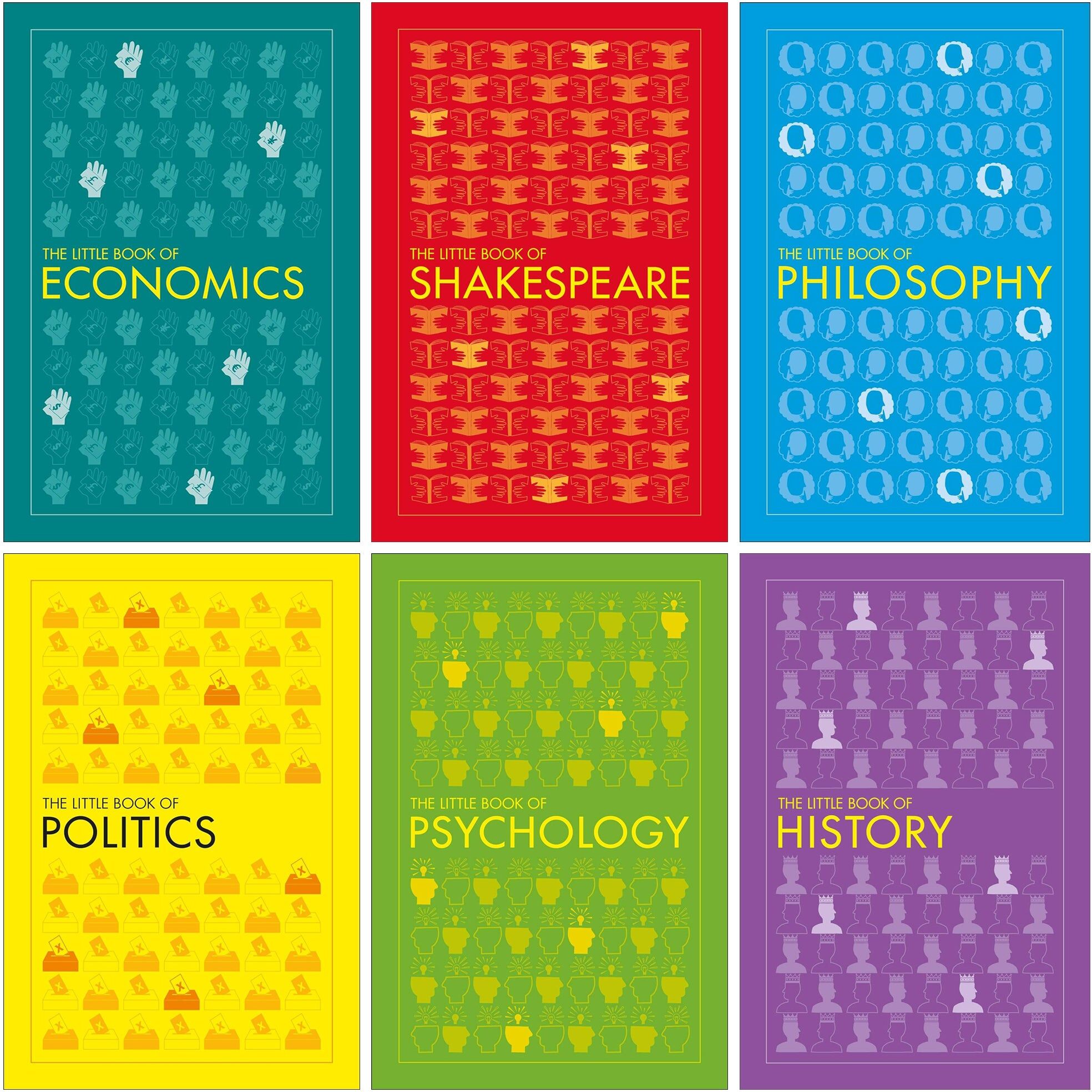
DK The Little Book Of Series 6 Books Collection Set (Economics, Politics, Shakespeare, Philosophy, Psychology, History)The Little Book Of Economics From the earliest forms of currency to the Industrial Revolution, and from the birth of the stock market to free-market capitalism and globalized trade, The Little Book of Economics brings economic theory and the work of key economists to life. Journeying through centuries of economic thought, it is the perfect pocket-sized guide to the subject. The Little Book Of Politics From the origins of democracy to Machiavelli's cunning statecraft, and from Rousseau's "social contract" to the American Declaration of Independence, Marxist communism, the dawn of populism, and identity politics, The Little Book of Politics examines the philosophies behind the different political beliefs and methods of government used around the world over the course of human history. The Little Book Of Shakespeare This bold book covers every work, from the comedies of Twelfth Night and As You Like It to the tragedies of Julius Caesar and Hamlet, plus lost plays and less well-known works of poetry. Easy-to-understand graphics and illustrations bring the themes, plots, characters and language of Shakespeare to life, including illustrated timelines which offer an at-a-glance summary of the action for each play. With detailed plot summaries and an in-depth analysis of the major characters and themes, this is a brilliant, innovative exploration of the entire canon of Shakespeare plays, sonnets and poetry. The Little Book Of Philosophy To the complete novice learning about philosophy can be daunting - The Little Book of Philosophy changes all that. With the use of powerful and easy-to-follow images, famous quotations, and explanations that are easily understandable, this book cuts through any misunderstandings to demystify the subject. The Little Book Of Psychology DK's The Little Book of Psychology answers all these questions and provides an insight into this fascinating field of science. Whether you are a student, an expert, a novice, or have a general interest in the human mind, this portable guide is the perfect choice to start exploring and understanding psychology. The Little Book Of History The Little Book of History charts world history from the dawn of civilisation to the modern culture we live in today. From the origins of homo-sapiens to the release of Nelson Mandela, from the French Revolution to the Space Race, The Little Book of History is a stunning exploration of the human timeline up to and including modern Islam, the world wide web, and the global financial crisis.14,99 £*Shipping: 2,99 £Secure redirect to the provider
-
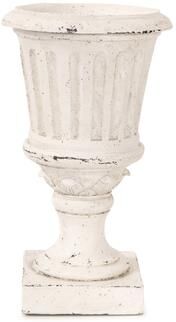
Allan Andrews Roman Classic UrnAdd classical charm to your decor with this distressed white architectural column urn. Perfect for bookshelves, consoles, or tabletop styling. The ancient ruin-inspired design brings a touch of old-world magic to any space.114,00 $*Shipping: 0,00 $Secure redirect to the provider
-
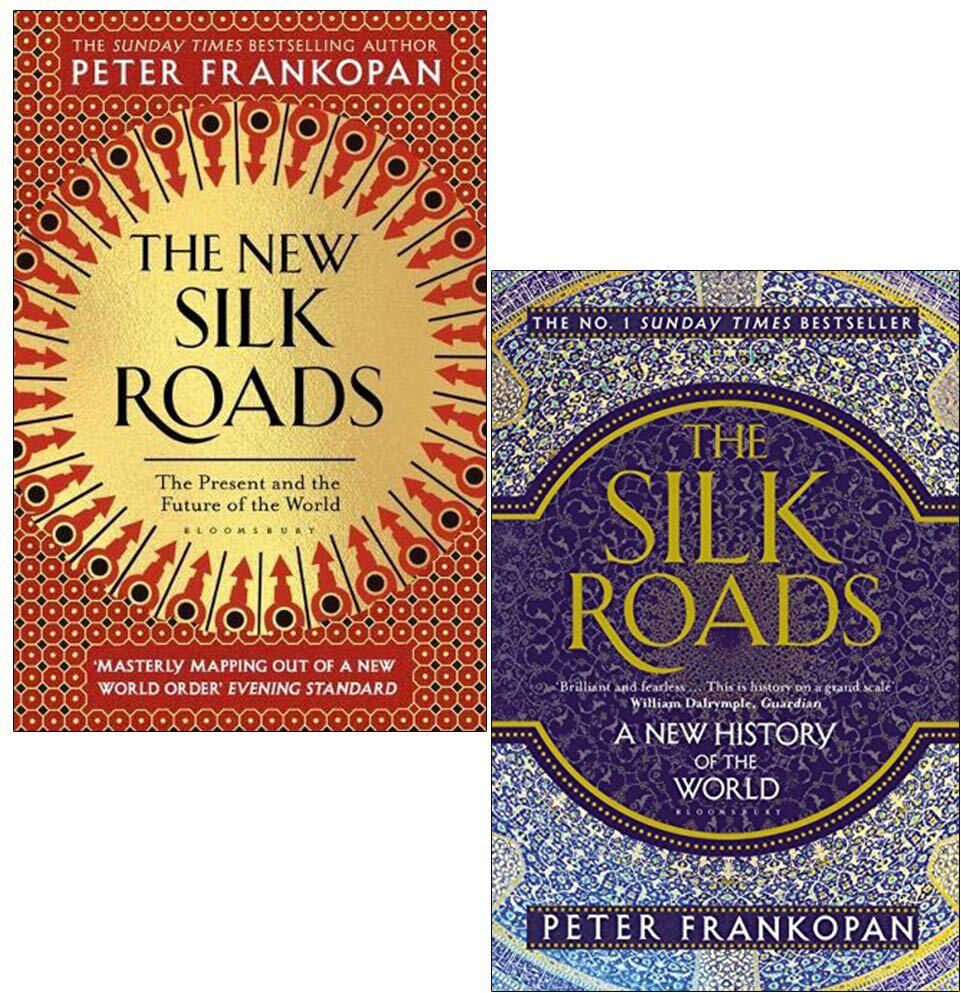
Bloomsbury Publishing The Silk Roads & The New Silk Roads 2 Book Set by Peter Frankopan – History & Global Politics CollectionThe New Silk Roads The Present and Future of the World The New Silk Roads takes a fresh look at the relationships being formed along the length and breadth of the ancient trade routes today. The world is changing dramatically and in an age of Brexit and Trump; the themes of isolation and fragmentation permeating the western world stand in sharp contrast to events along the Silk Roads; where ties are being strengthened and mutual cooperation established.This prescient contemporary history provides a timely reminder that we live in a world that is profoundly interconnected. The Silk Roads: A New History of the World For centuries; fame and fortune were to be found in the west in the New World of the Americas. Today; it is the east which calls out to those in search of riches and adventure. Sweeping right across Central Asia and deep into China and India; a region that once took centre stage is again rising to dominate global politics; commerce and culture.16,98 £*Shipping: 2,99 £Secure redirect to the provider
-
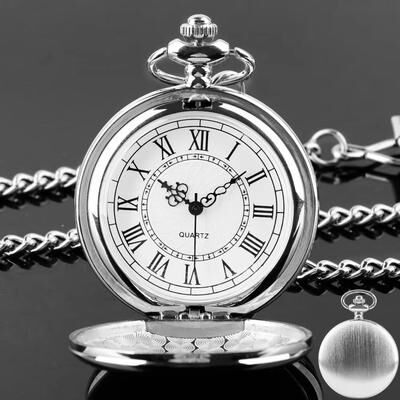
Inspired Finds Classic Silver Roman Numeral Pocket Watch Necklace Classic Silver Roman Numeral Pocket Watch NecklaceTimeless style meets modern fashion in this elegant pocket watch necklace. Designed with a polished silver finish and traditional Roman numeral dial, this piece blends vintage charm with contemporary versatility. The compact watch hangs from a sleek...34,99 $*Shipping: 0,00 $Secure redirect to the provider
-
What is the relationship between society, economy, and politics?
The relationship between society, economy, and politics is complex and interdependent. Society shapes the economy and politics through its values, beliefs, and behaviors. The economy provides the resources and infrastructure that support society and political systems. Politics, in turn, influences the distribution of resources and the rules that govern economic activity, which in turn affects society. These three elements are interconnected and constantly influence and shape each other in a dynamic way. **
-
How were children, women, and slaves treated within Roman society?
Children in Roman society were generally valued and cared for, with boys receiving education and girls being trained in domestic skills. Women had limited rights and were expected to manage the household, but some women from wealthy families had more freedom and influence. Slaves were considered property and had no rights, being subject to harsh treatment and exploitation by their owners. Overall, Roman society was hierarchical, with children, women, and slaves occupying lower positions in the social order. **
-
What is a current topic about politics, economy, and society?
One current topic about politics, economy, and society is the global response to the COVID-19 pandemic. Governments around the world are implementing various policies to address the public health crisis, support their economies, and mitigate the social impact of the pandemic. This includes measures such as vaccine distribution, economic stimulus packages, and social welfare programs. The pandemic has also highlighted existing inequalities within societies and has sparked discussions about the need for more inclusive and sustainable economic and social systems. **
-
Roman-German Emperors
The term "Roman-German Emperors" refers to the Holy Roman Emperors, who were rulers of the Holy Roman Empire from the Middle Ages until its dissolution in 1806. The title of Holy Roman Emperor was created in the 10th century and was held by various monarchs who claimed to be the successors of the ancient Roman emperors. The Holy Roman Emperors were elected by a group of German princes and were considered the highest secular authority in the Holy Roman Empire, which was a complex political entity that encompassed parts of modern-day Germany, Italy, and other European countries. **


"Roman-German Emperors"
The term "Roman-German Emperors" refers to the Holy Roman Emperors, who were rulers of a political entity in Central Europe that existed from 962 to 1806. The title of Holy Roman Emperor was created in the 10th century by Otto I, King of Germany, and it symbolized the revival of the Roman Empire in the West. The Holy Roman Emperors were considered the successors of the ancient Roman Emperors and were elected by a group of German princes. The empire was a complex political entity that encompassed parts of modern-day Germany, Italy, and other European territories. **
Holy Roman Emperor
The title of Holy Roman Emperor was a title given to the ruler of the Holy Roman Empire, a political entity in Central Europe that existed from 962 to 1806. The Holy Roman Emperor was considered the secular ruler of the Christian world, with authority over a vast territory that included parts of modern-day Germany, Italy, and France. The position was elected by a group of powerful princes and bishops known as the Electoral College. The title of Holy Roman Emperor was eventually abolished in 1806 following the defeat of the Empire by Napoleon Bonaparte. **
Top-Angebote
Products related to Roman:
-
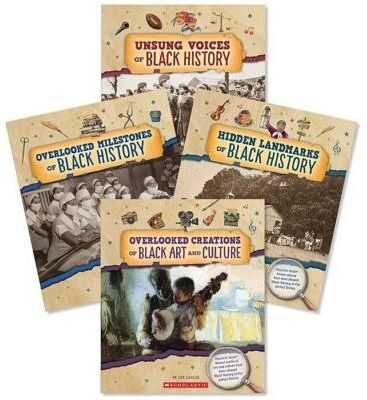
From the Archives: Black History and Culture Value PackThis brand-new series is rooted in a profound commitment to shedding light on some of the important -- and often lesser-known -- aspects of Black history. From the Archives features landmarks, events, people, and artistic endeavors that have played...26,99 $*Shipping: 0,00 $Secure redirect to the provider
-
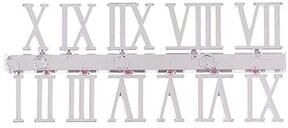
Uplift Treasures Roman Numeral Clock Repair Parts Set silver Roman NumeralsProduct Description Restore or customize your clock with this Roman numeral clock repair parts set. Designed for DIY projects and clock repairs, it includes classic numeral accessories compatible with quartz clock mechanisms. Ideal for refurbishing...24,97 $*Shipping: 0,00 $Secure redirect to the provider
-
DK The Little Book Of Series 6 Books Collection Set (Economics, Politics, Shakespeare, Philosophy, Psychology, History)The Little Book Of Economics From the earliest forms of currency to the Industrial Revolution, and from the birth of the stock market to free-market capitalism and globalized trade, The Little Book of Economics brings economic theory and the work of key economists to life. Journeying through centuries of economic thought, it is the perfect pocket-sized guide to the subject. The Little Book Of Politics From the origins of democracy to Machiavelli's cunning statecraft, and from Rousseau's "social contract" to the American Declaration of Independence, Marxist communism, the dawn of populism, and identity politics, The Little Book of Politics examines the philosophies behind the different political beliefs and methods of government used around the world over the course of human history. The Little Book Of Shakespeare This bold book covers every work, from the comedies of Twelfth Night and As You Like It to the tragedies of Julius Caesar and Hamlet, plus lost plays and less well-known works of poetry. Easy-to-understand graphics and illustrations bring the themes, plots, characters and language of Shakespeare to life, including illustrated timelines which offer an at-a-glance summary of the action for each play. With detailed plot summaries and an in-depth analysis of the major characters and themes, this is a brilliant, innovative exploration of the entire canon of Shakespeare plays, sonnets and poetry. The Little Book Of Philosophy To the complete novice learning about philosophy can be daunting - The Little Book of Philosophy changes all that. With the use of powerful and easy-to-follow images, famous quotations, and explanations that are easily understandable, this book cuts through any misunderstandings to demystify the subject. The Little Book Of Psychology DK's The Little Book of Psychology answers all these questions and provides an insight into this fascinating field of science. Whether you are a student, an expert, a novice, or have a general interest in the human mind, this portable guide is the perfect choice to start exploring and understanding psychology. The Little Book Of History The Little Book of History charts world history from the dawn of civilisation to the modern culture we live in today. From the origins of homo-sapiens to the release of Nelson Mandela, from the French Revolution to the Space Race, The Little Book of History is a stunning exploration of the human timeline up to and including modern Islam, the world wide web, and the global financial crisis.14,99 £*Shipping: 2,99 £Secure redirect to the provider
-
Allan Andrews Roman Classic UrnAdd classical charm to your decor with this distressed white architectural column urn. Perfect for bookshelves, consoles, or tabletop styling. The ancient ruin-inspired design brings a touch of old-world magic to any space.114,00 $*Shipping: 0,00 $Secure redirect to the provider
-
What did the Roman living culture look like in a Roman house?
The Roman living culture in a Roman house was centered around the concept of the domus, which was the main living space for the family. The domus typically included a central courtyard, known as the atrium, which was the focal point of the house and where the family would gather. The living spaces were often decorated with colorful frescoes, mosaics, and statues, reflecting the wealth and status of the inhabitants. The Romans also valued privacy and had separate living quarters for men and women, with the women's quarters typically located in the back of the house. Additionally, Roman houses often had a strong connection to the outdoors, with gardens, fountains, and outdoor dining areas, reflecting the importance of nature and leisure in Roman culture. **
-
What role did sports play in Roman society?
Sports played a significant role in Roman society as they were not only a form of entertainment but also a way to showcase strength, skill, and valor. Gladiatorial games, chariot races, and athletic competitions were popular forms of entertainment that brought people together and fostered a sense of community. Additionally, sports were used by the Roman rulers as a means to distract and pacify the masses, often serving as a tool for social control and political manipulation. Overall, sports in Roman society served as a reflection of the values, ideals, and power dynamics of the time. **
-
What is the relationship between society, economy, and politics?
The relationship between society, economy, and politics is complex and interdependent. Society shapes the economy and politics through its values, beliefs, and behaviors. The economy provides the resources and infrastructure that support society and political systems. Politics, in turn, influences the distribution of resources and the rules that govern economic activity, which in turn affects society. These three elements are interconnected and constantly influence and shape each other in a dynamic way. **
-
How were children, women, and slaves treated within Roman society?
Children in Roman society were generally valued and cared for, with boys receiving education and girls being trained in domestic skills. Women had limited rights and were expected to manage the household, but some women from wealthy families had more freedom and influence. Slaves were considered property and had no rights, being subject to harsh treatment and exploitation by their owners. Overall, Roman society was hierarchical, with children, women, and slaves occupying lower positions in the social order. **
Similar search terms for Roman
-
Bloomsbury Publishing The Silk Roads & The New Silk Roads 2 Book Set by Peter Frankopan – History & Global Politics CollectionThe New Silk Roads The Present and Future of the World The New Silk Roads takes a fresh look at the relationships being formed along the length and breadth of the ancient trade routes today. The world is changing dramatically and in an age of Brexit and Trump; the themes of isolation and fragmentation permeating the western world stand in sharp contrast to events along the Silk Roads; where ties are being strengthened and mutual cooperation established.This prescient contemporary history provides a timely reminder that we live in a world that is profoundly interconnected. The Silk Roads: A New History of the World For centuries; fame and fortune were to be found in the west in the New World of the Americas. Today; it is the east which calls out to those in search of riches and adventure. Sweeping right across Central Asia and deep into China and India; a region that once took centre stage is again rising to dominate global politics; commerce and culture.16,98 £*Shipping: 2,99 £Secure redirect to the provider
-
Inspired Finds Classic Silver Roman Numeral Pocket Watch Necklace Classic Silver Roman Numeral Pocket Watch NecklaceTimeless style meets modern fashion in this elegant pocket watch necklace. Designed with a polished silver finish and traditional Roman numeral dial, this piece blends vintage charm with contemporary versatility. The compact watch hangs from a sleek...34,99 $*Shipping: 0,00 $Secure redirect to the provider
-
Uplift Treasures Roman Numeral Clock Repair Parts Set black Roman NumeralsProduct Description Restore or customize your clock with this Roman numeral clock repair parts set. Designed for DIY projects and clock repairs, it includes classic numeral accessories compatible with quartz clock mechanisms. Ideal for refurbishing...23,97 $*Shipping: 0,00 $Secure redirect to the provider
-
What is a current topic about politics, economy, and society?
One current topic about politics, economy, and society is the global response to the COVID-19 pandemic. Governments around the world are implementing various policies to address the public health crisis, support their economies, and mitigate the social impact of the pandemic. This includes measures such as vaccine distribution, economic stimulus packages, and social welfare programs. The pandemic has also highlighted existing inequalities within societies and has sparked discussions about the need for more inclusive and sustainable economic and social systems. **
-
Roman-German Emperors
The term "Roman-German Emperors" refers to the Holy Roman Emperors, who were rulers of the Holy Roman Empire from the Middle Ages until its dissolution in 1806. The title of Holy Roman Emperor was created in the 10th century and was held by various monarchs who claimed to be the successors of the ancient Roman emperors. The Holy Roman Emperors were elected by a group of German princes and were considered the highest secular authority in the Holy Roman Empire, which was a complex political entity that encompassed parts of modern-day Germany, Italy, and other European countries. **
-
"Roman-German Emperors"
The term "Roman-German Emperors" refers to the Holy Roman Emperors, who were rulers of a political entity in Central Europe that existed from 962 to 1806. The title of Holy Roman Emperor was created in the 10th century by Otto I, King of Germany, and it symbolized the revival of the Roman Empire in the West. The Holy Roman Emperors were considered the successors of the ancient Roman Emperors and were elected by a group of German princes. The empire was a complex political entity that encompassed parts of modern-day Germany, Italy, and other European territories. **
-
Holy Roman Emperor
The title of Holy Roman Emperor was a title given to the ruler of the Holy Roman Empire, a political entity in Central Europe that existed from 962 to 1806. The Holy Roman Emperor was considered the secular ruler of the Christian world, with authority over a vast territory that included parts of modern-day Germany, Italy, and France. The position was elected by a group of powerful princes and bishops known as the Electoral College. The title of Holy Roman Emperor was eventually abolished in 1806 following the defeat of the Empire by Napoleon Bonaparte. **
* All prices are inclusive of VAT and, if applicable, plus shipping costs. The offer information is based on the details provided by the respective shop and is updated through automated processes. Real-time updates do not occur, so deviations can occur in individual cases. ** Note: Parts of this content were created by AI.